
Corona de la Reina (Gonospermum)
Gonospermum fruticosum (Buch) Less. · Family: Asteraceae
Spurge scrub, thermophilous woodland and dry laurel forest.
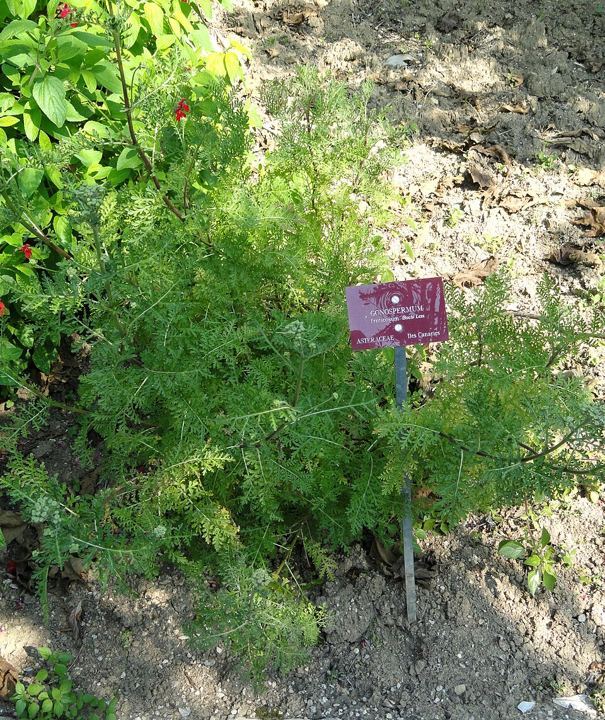
Photos
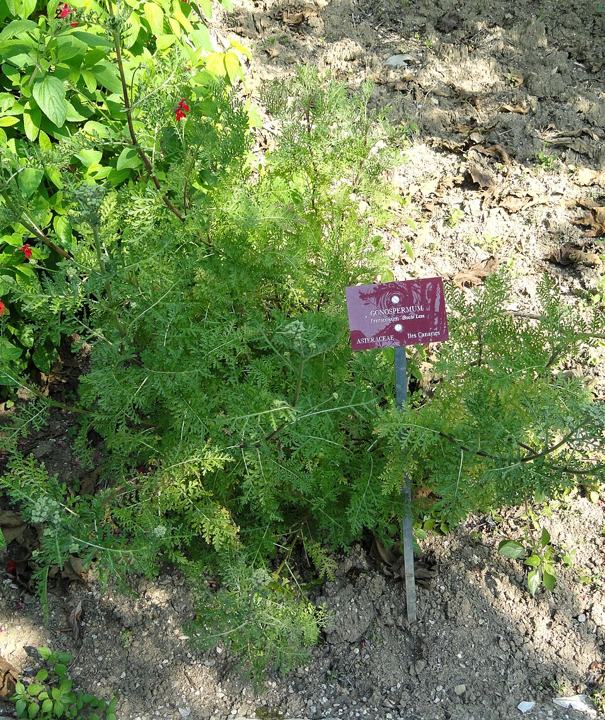
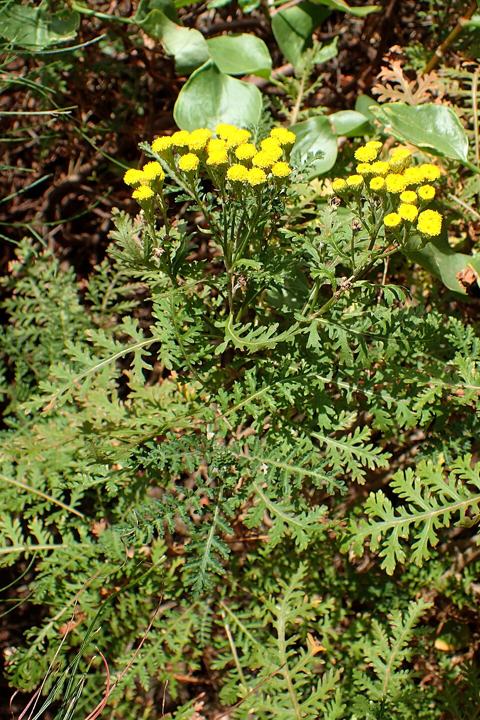
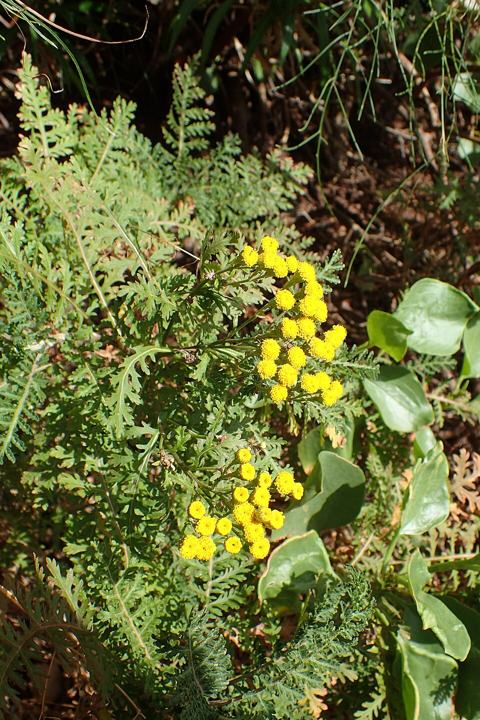
Description
The plant is small; from a distance it looks like a little posy of leaves. The leaves are bluish-green and lanceolate, growing in radial clusters. Its natural habitat is rocky mountains, so it usually grows in rock crevices and in hard-to-reach spots. Each plant has a single, very long inflorescence that extends well beyond the body of the plant. The flowers have five petals, are white and tiny. The plant is annual: after flowering it dries up and dies.
Propagation and growing
This species is propagated by seed. No data on its germination were found in the literature consulted. Germinate in a standard substrate with some humus-rich soil. Seeds should be broadcast and left on the surface, not covered. An excellent species for rock gardens and/or rocky soils. It should be planted in semi-shade in mid-altitude zones (medianías) throughout the island and down to the northern lowlands. Flowers between May and June. The leaves are the part harvested. It should be grown with caution, as it is fairly toxic if used without proper precautions. Its use should therefore be left to highly qualified people, as otherwise it could cause serious trouble. The leaves must always be gathered by people who know the plant. Once picked, they are dried in the shade or in a drying room at temperatures that are not too high.
Garden use
A species of great interest for ornamental use, although an infusion of its flowers and leaves has been used in folk medicine to treat colds, stop diarrhoea and expel intestinal worms. Its water needs are medium to low and it has a high need for hours of light. It grows best at mild temperatures (23 ºC) and adapts well to stony soils, even doing well on cliffs and slopes. It needs no fertiliser, only a little humus-rich soil. Its root growth is small, so there is no need to fear any destructive effect underground. It flowers between April and June.
Notes
In the past it was considered an abortifacient plant, but it should be stressed that the after-effects on the mother were irreparable and, in most cases, could even lead to death.
Protection status
Not listed.
Potential vegetation
Matorrales de las medianías y por el norte hasta en escarpes de las zonas bajas.
Source: Cabildo de Tenerife, “Guía de especies vegetales”, CC BY. Translated from Spanish by us.
Districts
Anaga · Metropolitan area (Santa Cruz and La Laguna) · Acentejo · La Orotava Valley · Daute · Teno · South-west