
Tenerife plant base
Our own database: garden plants with growing conditions and wild species of the island from Cabildo de Tenerife data.
Found: 178 / 178
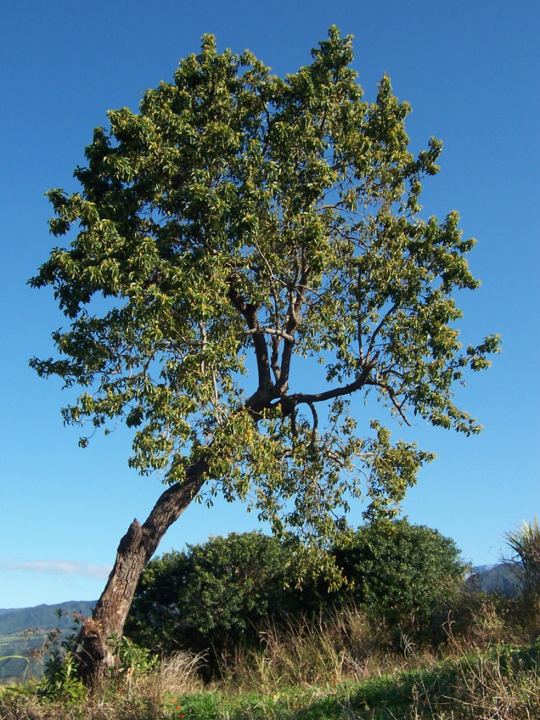
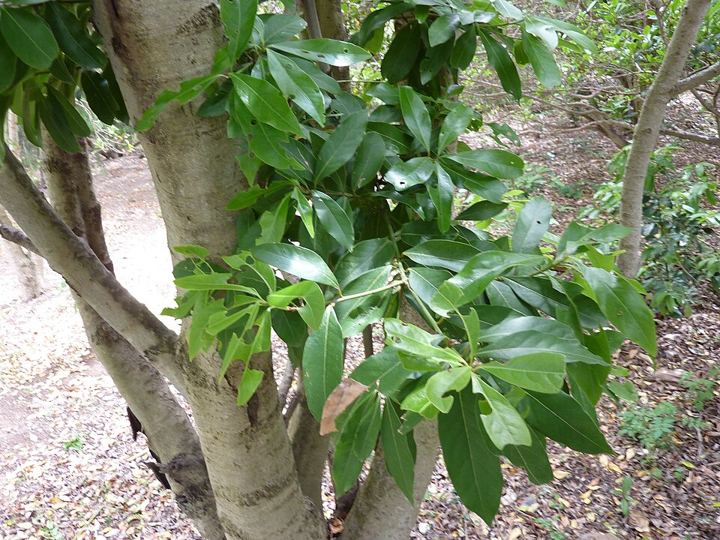 Aderno (Heberdenia excelsa)Heberdenia excelsa
A shade-loving laurel-forest species of slopes and cliffs within the forest.
Grows in: North, 300–1000 m · Above 1000 m
Photo: James Steakley, CC BY-SA 3.0
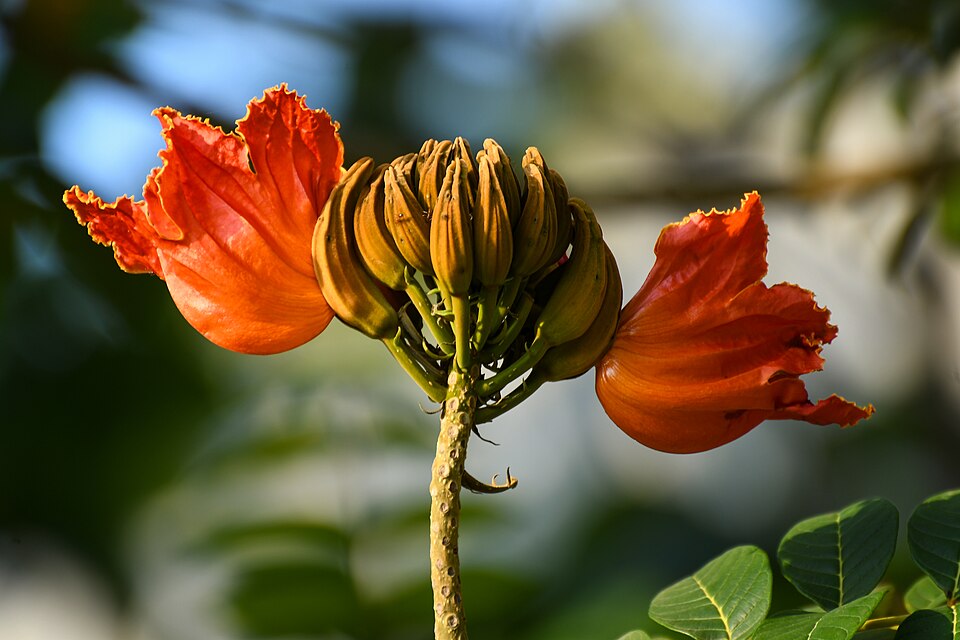 African tulip treeSpathodea campanulata
A tropical species of warm savannas. Drought resistant; needs full sun to flower well. Adapts to different soils, growing fastest in rich soil with plenty of water.
Grows in: South coast · North coast · South, 300–1000 m
Photo: Shagil Kannur, CC BY-SA 4.0
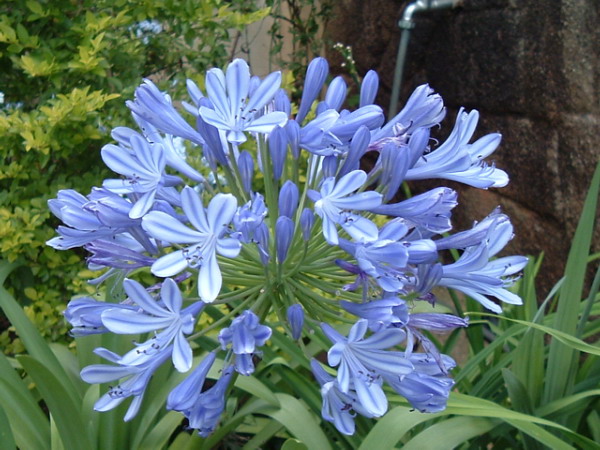 AgapanthusAgapanthus africanus
Hardy to -5 °C
Light: sun / partial shade. Watering: low. Soil: any well-drained.
Grows in: North, 300–1000 m · North coast
With watering: South, 300–1000 m · South coast
Photo: Denis Conrado, CC BY-SA 3.0
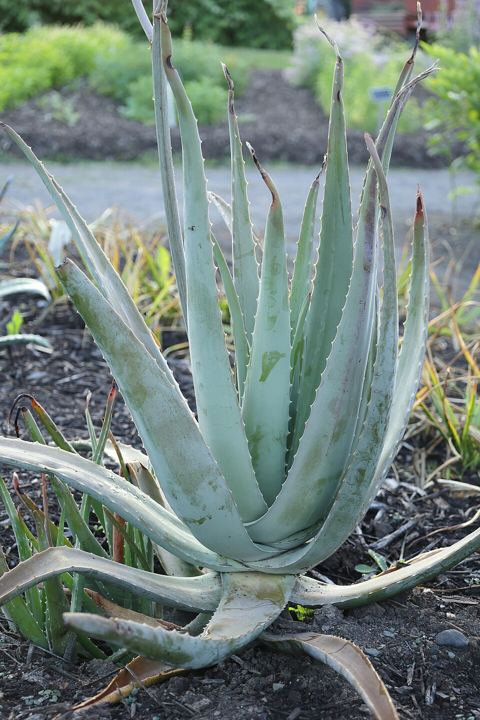
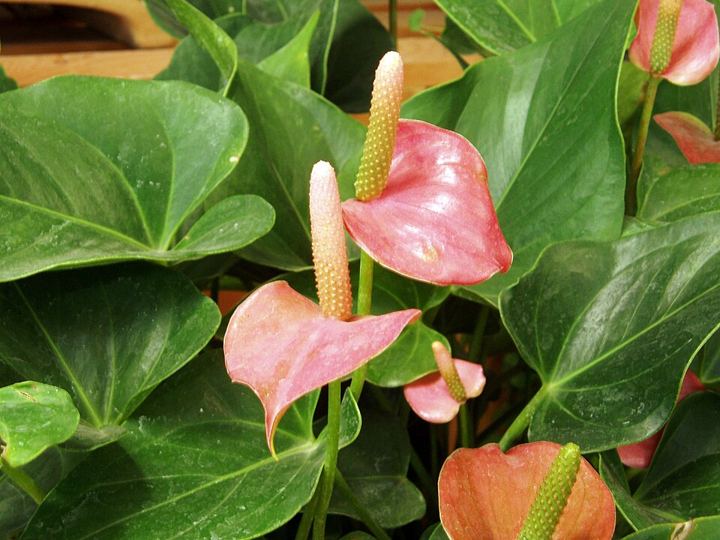 AnthuriumAnthurium andraeanum
Hardy to 10 °C
Light: shade. Watering: high. Soil: loose.
With watering: North coast
Photo: Taken by Fanghong, CC BY 2.5
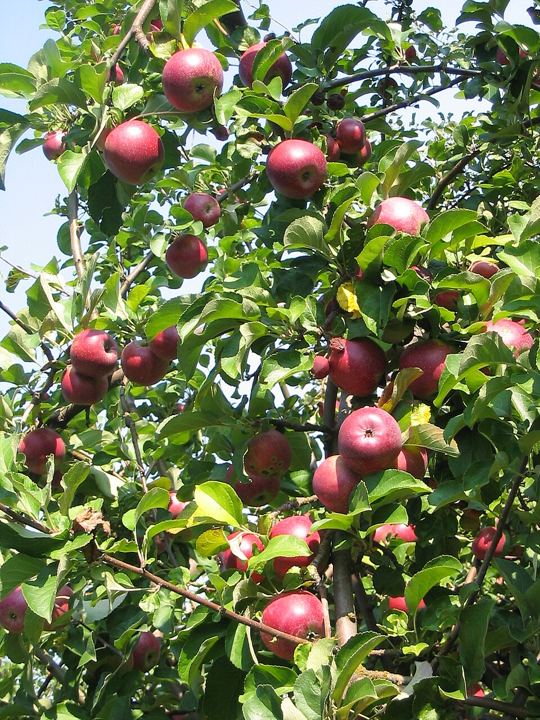 Apple treeMalus domestica
Hardy to -25 °C
Light: sun. Watering: medium. Soil: fertile.
Grows in: Above 1000 m · North, 300–1000 m
Photo: Лобачев Владимир, CC BY-SA 3.0
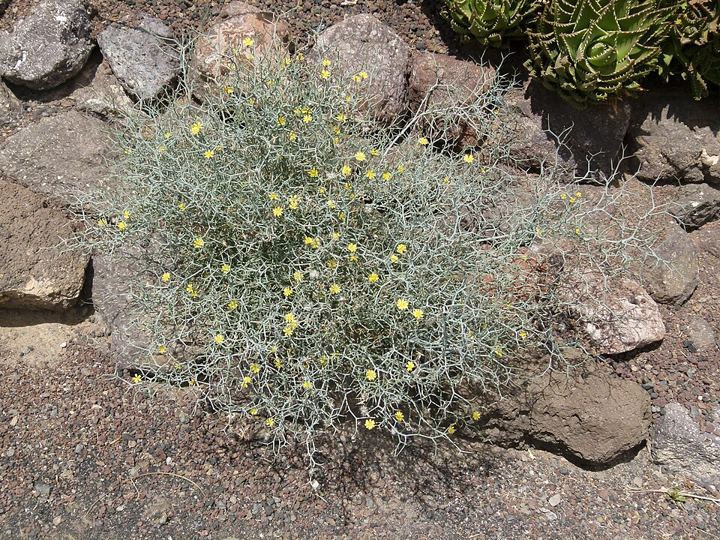 Aulaga (Launaea arborescens)Launaea arborescens
A native of the coast and arid, desert-like places, growing in disturbed scrub. Moderately salt tolerant.
Photo: Norbert Nagel, Mörfelden-Walldorf, Germany, CC BY-SA 3.0
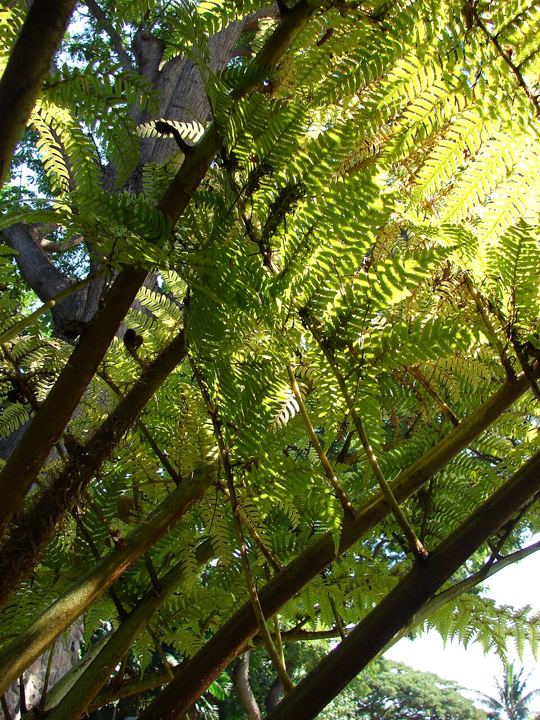 Australian tree fernSphaeropteris cooperi
Hardy to -2 °C
Light: shade / partial shade. Watering: high. Soil: moist.
Grows in: North, 300–1000 m
With watering: North coast
Photo: Forest & Kim Starr, CC BY 3.0
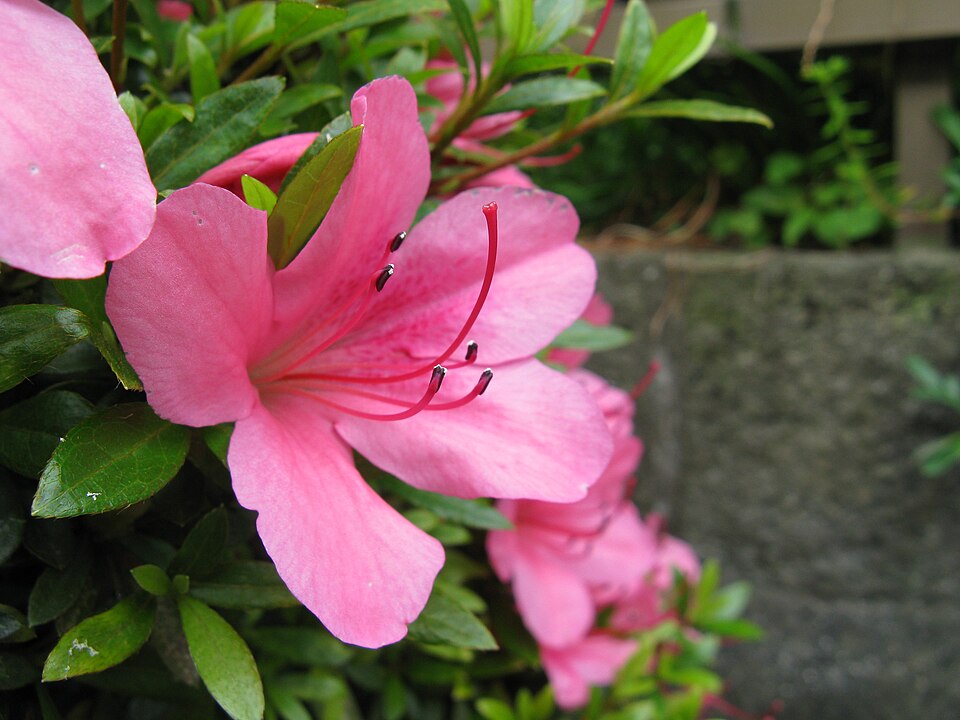
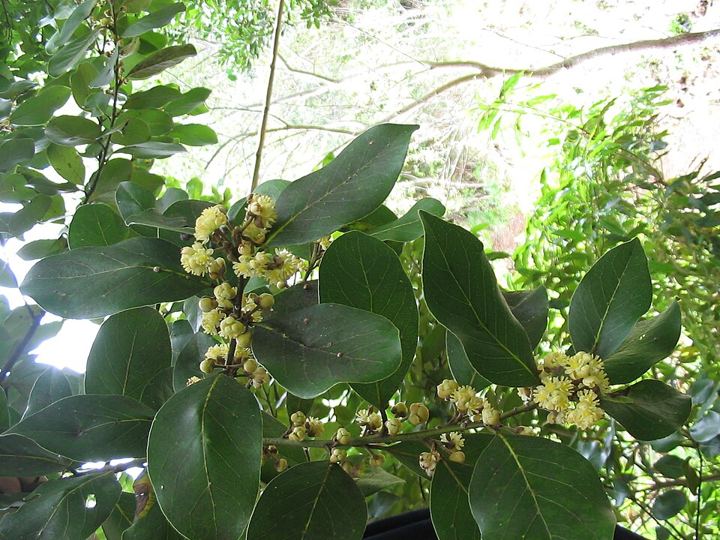 Azores laurelLaurus azorica
Very abundant and typical of the humid laurel forest, though it withstands more exposed, sunnier sites.
Grows in: North coast · North, 300–1000 m · Above 1000 m
Photo: Ixitixel, CC BY-SA 3.0
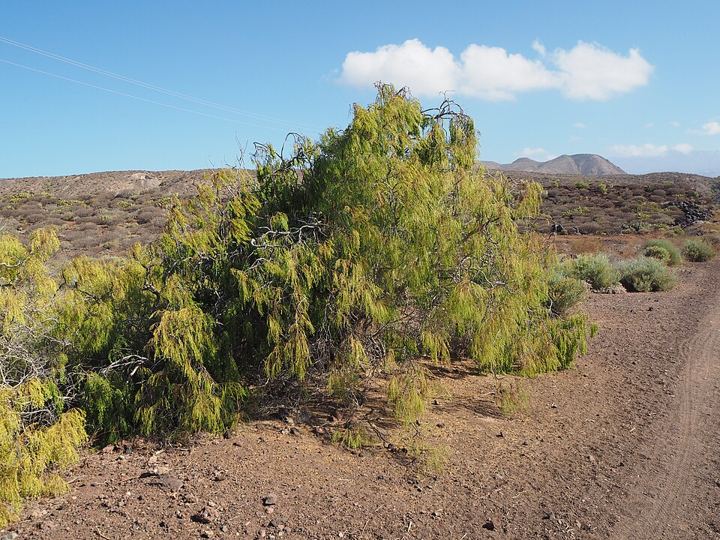 Balo (Plocama)Plocama pendula
Dry scrub of the lowlands and coast, dry stony slopes and open ravine beds.
Grows in: South coast · North coast
Photo: Javier Sanchez Portero, CC BY-SA 3.0
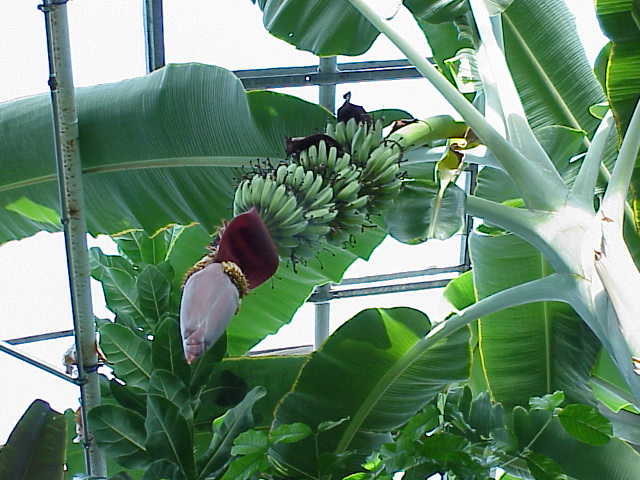 BananaMusa acuminata
Hardy to 5 °C
Light: sun. Watering: very high. Soil: fertile.
With watering: North coast · South coast
Photo: Kurt Stüber [1], CC BY-SA 3.0
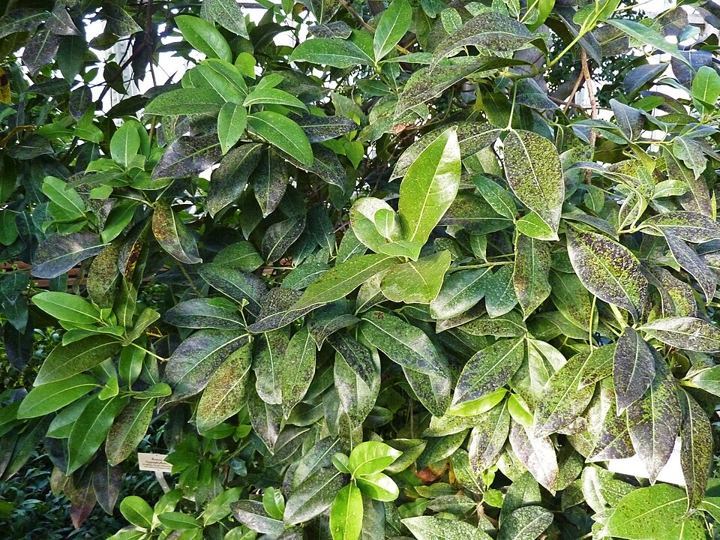 Barbusano (Apollonias)Apollonias barbujana
A laurel-forest species that grows both in humid shade under the mists and outside the forest, descending ravine slopes into warmer sites.
Grows in: North coast · North, 300–1000 m · Above 1000 m
Photo: James Steakley, CC BY-SA 3.0
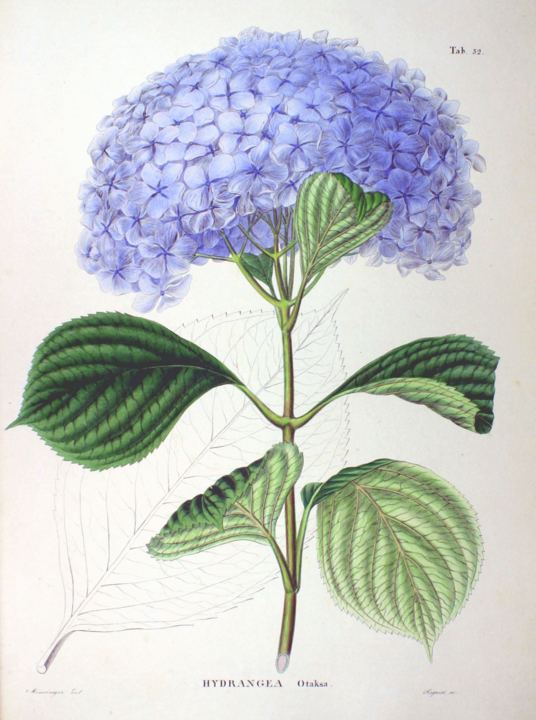 Bigleaf hydrangeaHydrangea macrophylla
Hardy to -10 °C
Light: partial shade. Watering: high. Soil: acid, moist.
Grows in: North, 300–1000 m
With watering: North coast · Above 1000 m
Photo: Philipp Franz von Siebold and Joseph Gerhard Zuccarini, Public domain
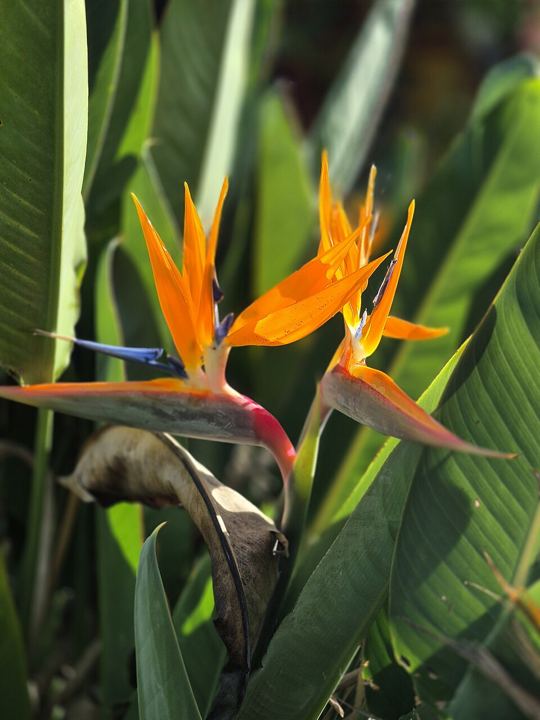 Bird of paradiseStrelitzia reginae
Hardy to 0 °C
Light: sun. Watering: low. Soil: any well-drained.
Grows in: North coast · South coast
With watering: South, 300–1000 m
Photo: Gabriel Collares, CC BY 4.0
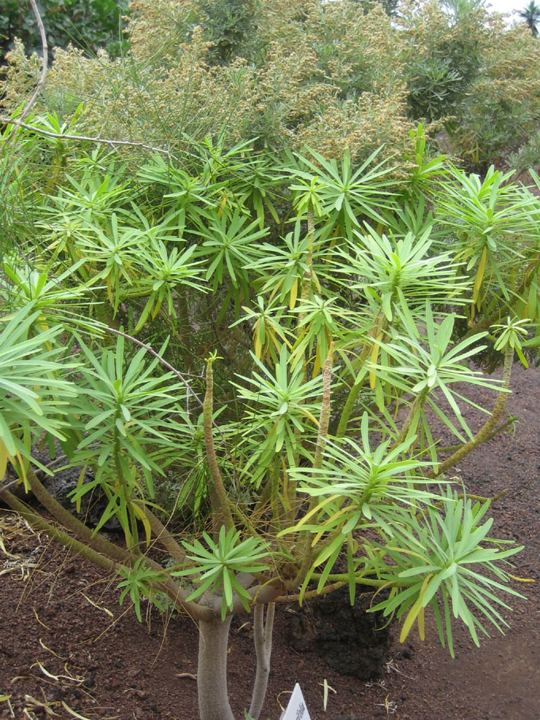 Bitter spurge (tabaiba amarga)Euphorbia obtusifolia
Very abundant on dry, stony ground of the low and middle zones, climbing sunny slopes above 1,000 m. Quickly colonises abandoned land.
Grows in: South coast · North coast · South, 300–1000 m
Photo: self, Public domain
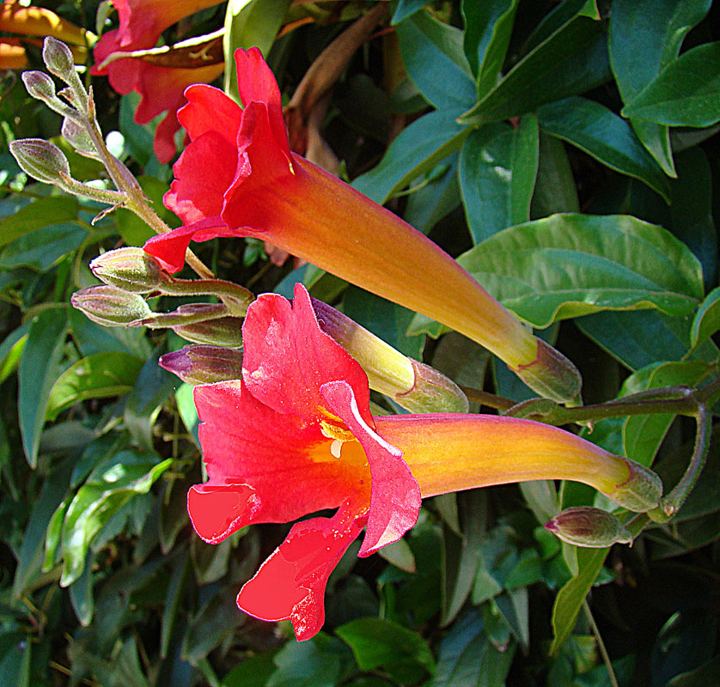 Blood-red trumpet vineDistictis buccinatoria
A species of warm areas. Undemanding about soil as long as it drains well. Needs a sunny position.
Grows in: South coast · North coast · South, 300–1000 m · North, 300–1000 m
Photo: Dick Culbert from Gibsons, B.C., Canada, CC BY 2.0
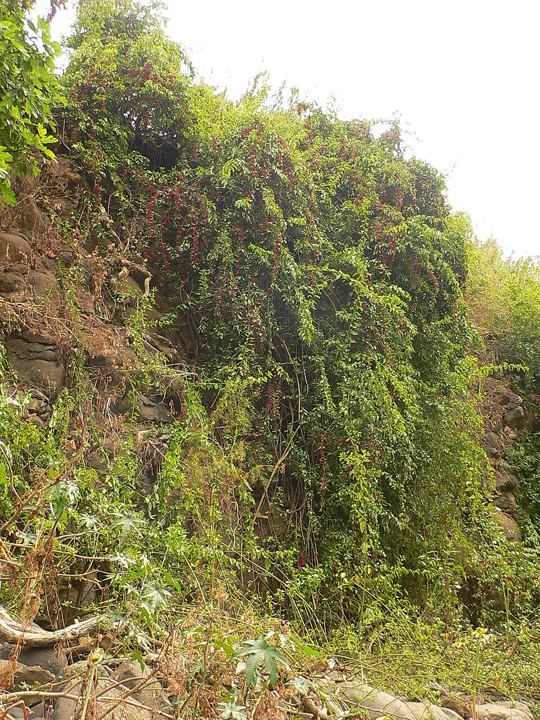 Bosea (hediondo)Bosea yervamora
A Canary endemic that likes warmth. Found at 50–1,000 m, mostly 300–500 m, on cliffs, ravine walls, slopes and old terraces. On sunny damp cliffs its branches hang 4 m or…
Photo: Marianne Perdomo, CC BY-SA 3.0
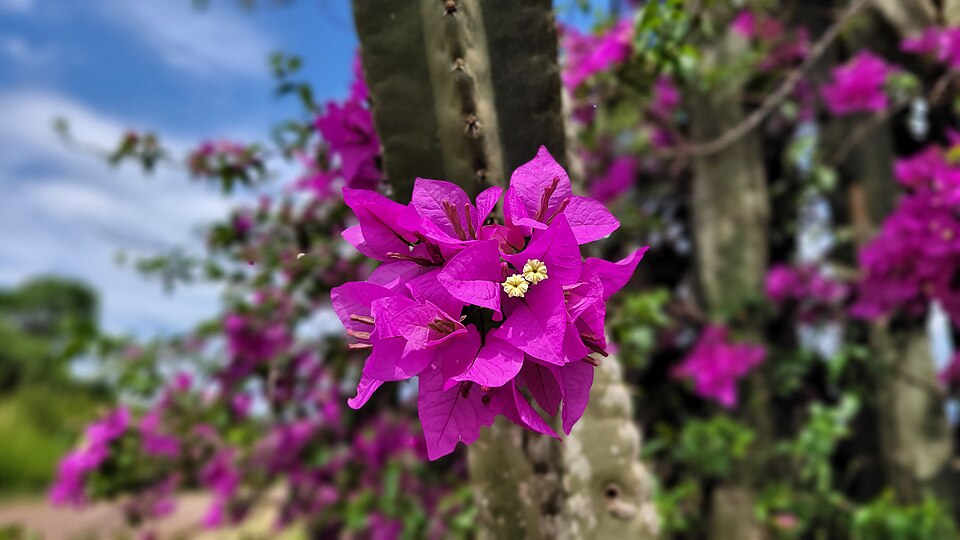 BougainvilleaBougainvillea glabra
Hardy to 0 °C
Light: sun. Watering: low. Soil: any.
Grows in: South coast · North coast · South, 300–1000 m
Photo: Horacio Cambeiro, CC BY 4.0
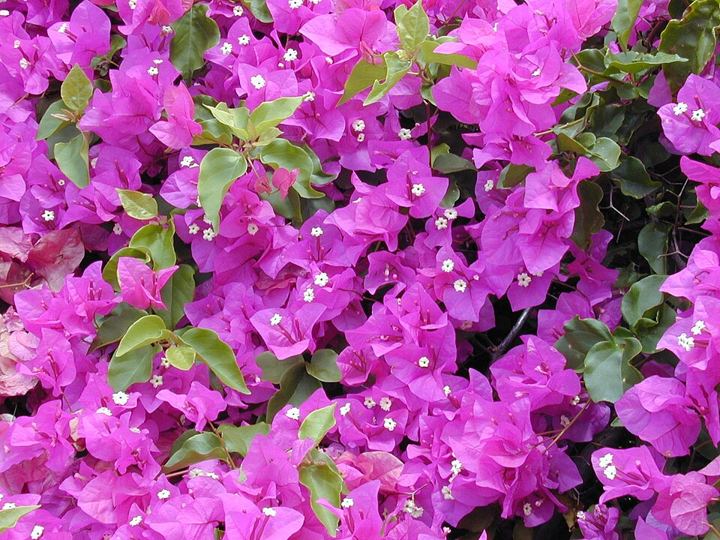 BougainvilleaBougainvillea spectabilis
Grows and flowers best in sunny places with a high average temperature. Well suited to a Mediterranean climate. Likes humid, fresh air when it is hot.
Grows in: South coast · North coast · South, 300–1000 m · North, 300–1000 m
Photo: Forest & Kim Starr, CC BY 3.0
 Cabbage tree (cordyline)Cordyline australis
Suits a subtropical climate without excessive heat. Moderately cold hardy, takes full sun or partial shade. Prefers rich, well-drained soil. Tolerates the seaside and urb…
Grows in: South coast · North coast · South, 300–1000 m · North, 300–1000 m
Photo: Wikimedia Commons, CC BY-SA 3.0
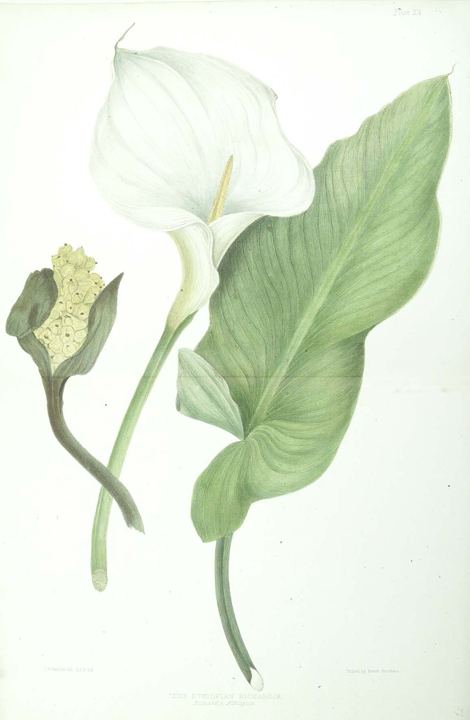 Calla lilyZantedeschia aethiopica
Hardy to -5 °C
Light: partial shade. Watering: high. Soil: moist.
Grows in: North, 300–1000 m
With watering: North coast
Photo: PENFOLD, Jane Wallas (fl. 1820-1850, artist) and William Lewes Pugh GARNONS (1791-1863), Public domain
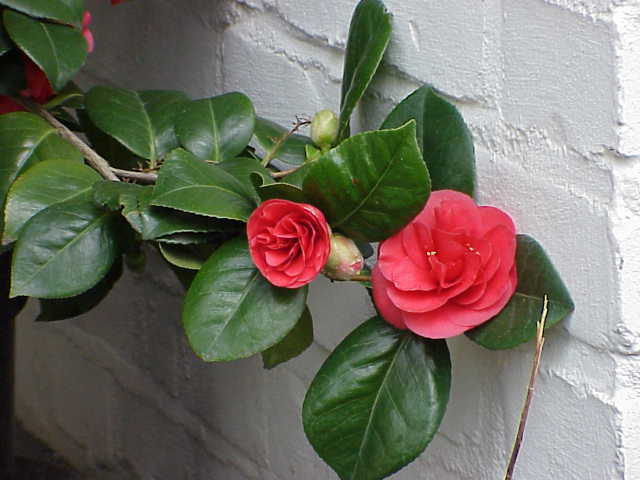 CamelliaCamellia japonica
Hardy to -10 °C
Light: partial shade. Watering: medium. Soil: acid.
Grows in: North, 300–1000 m
With watering: North coast
Photo: Kurt Stüber [1], CC BY-SA 3.0
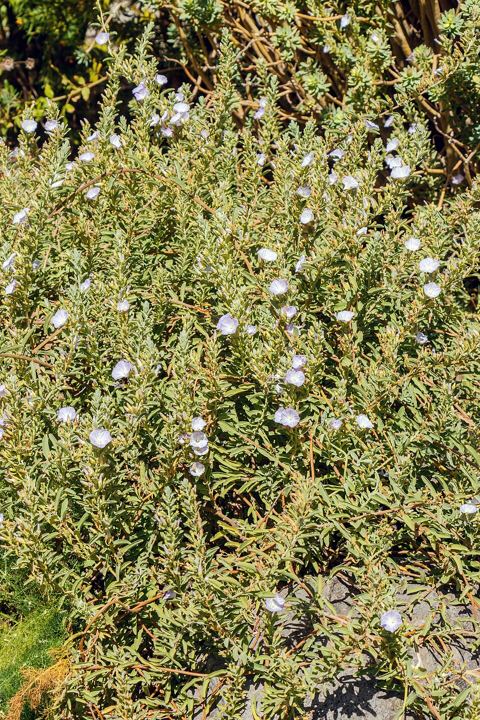 Campanilla (Convolvulus fruticulosus)Convolvulus fruticulosus
Cool, damp coastal cliffs, crags and stony slopes, usually in spurge and juniper scrub.
Photo: H. Zell, CC BY-SA 3.0
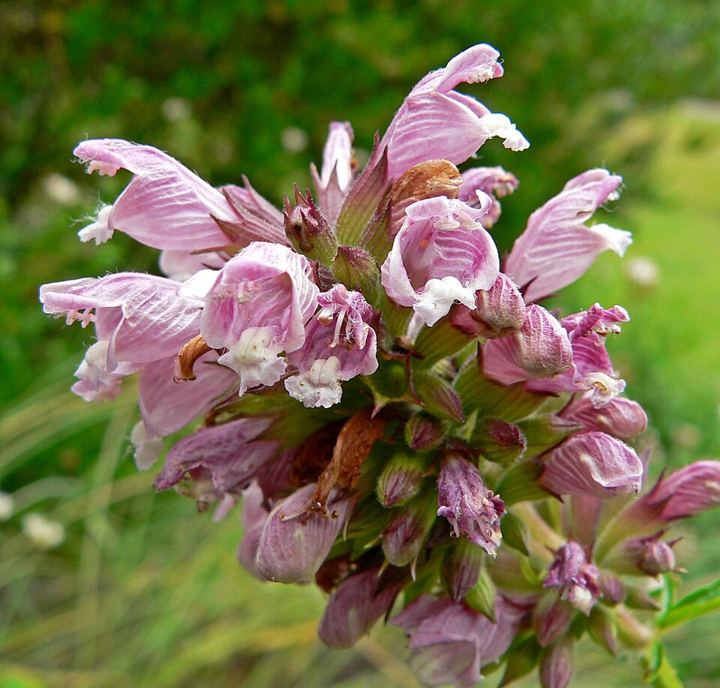 Canary balm (Cedronella)Cedronella canariensis
Grows wild in the laurel forest, in damp places on the higher islands.
Photo: Stan Shebs, CC BY-SA 3.0
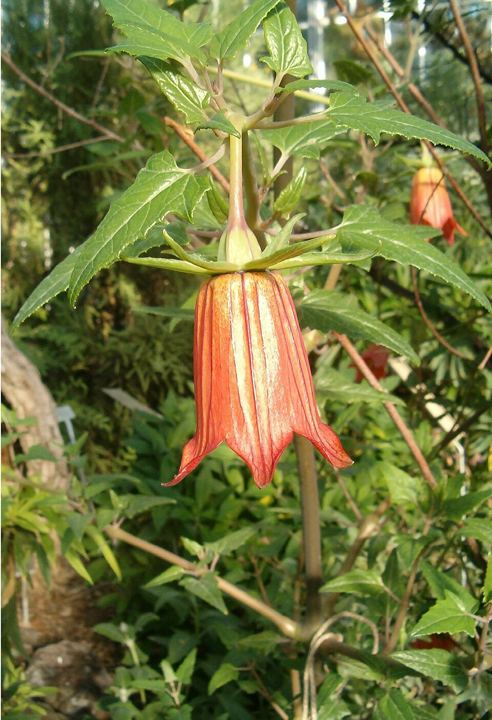 Canary bellflowerCanarina canariensis
A shade species of damp places at 300–1,000 m, mainly in thinned parts of the laurel forest.
Grows in: North coast · North, 300–1000 m · Above 1000 m
Photo: Wikimedia Commons, CC BY-SA 3.0
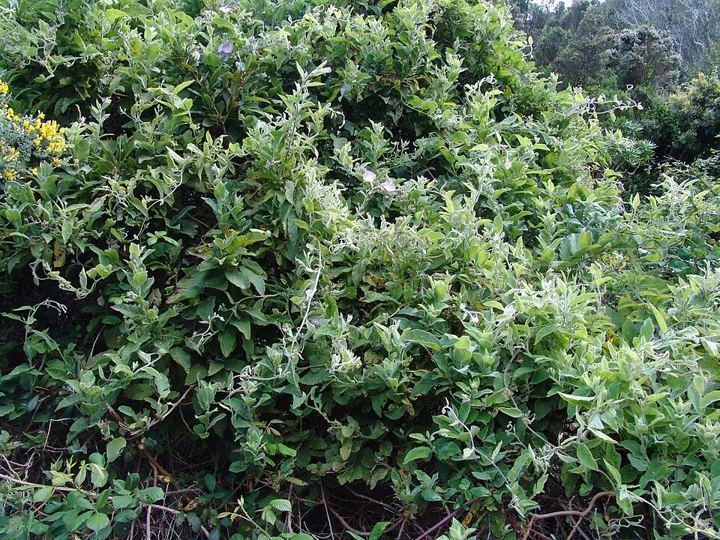 Canary bindweedConvolvulus canariensis
Lives at 500–1,000 m in the laurel forest, twining through trunks and crowns of trees and shrubs.
Grows in: North coast · North, 300–1000 m · Above 1000 m
Photo: Damián Esquivel Díaz, CC BY-SA 4.0
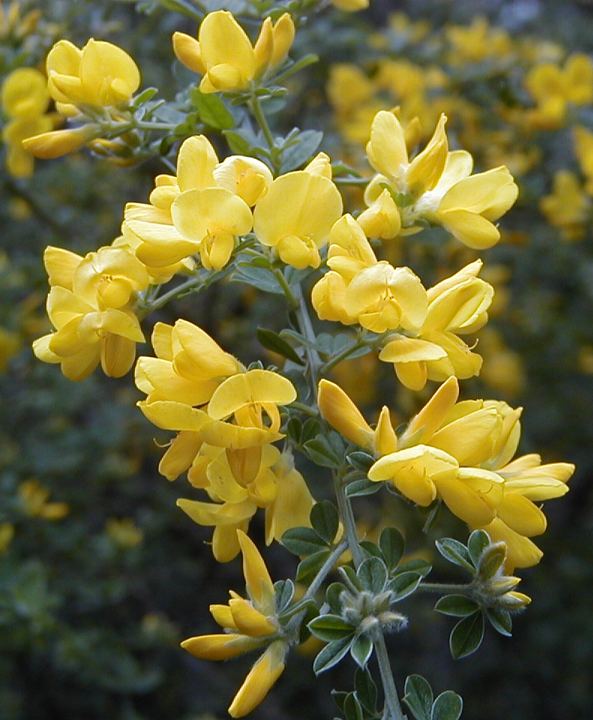 Canary broom (retamón)Teline canariensis
Edges of humid laurel forest: ledges and steep slopes, scrub where the forest has been degraded, 500–1,500 m.
Grows in: North, 300–1000 m · Above 1000 m
Photo: A. Barra, CC BY 3.0
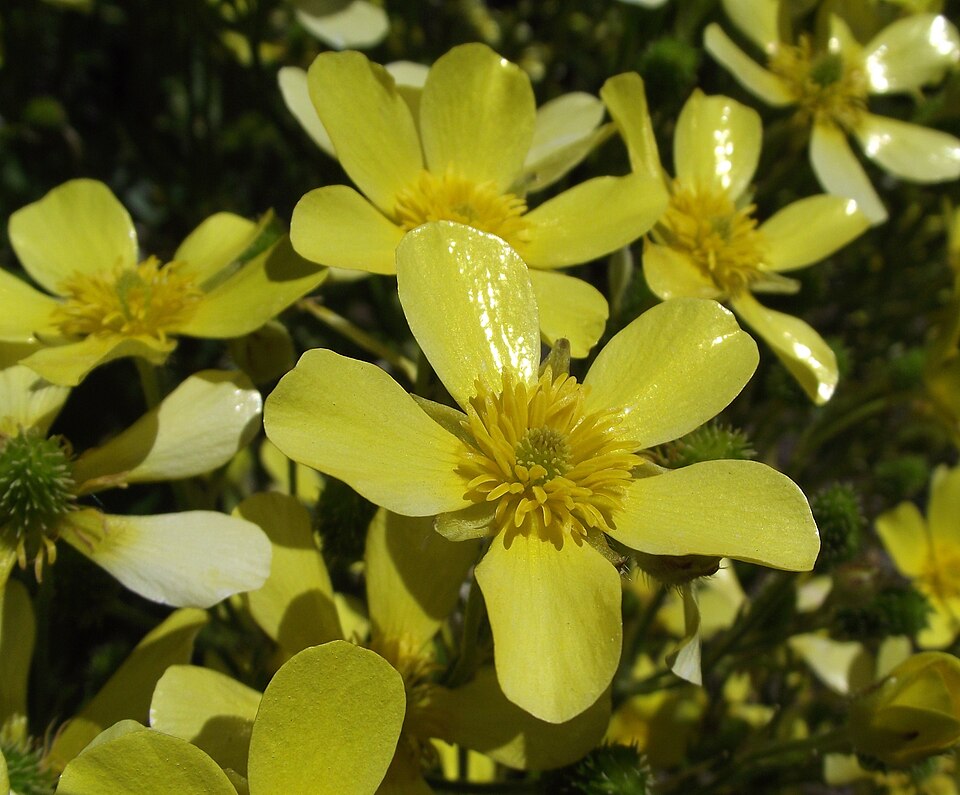 Canary buttercupRanunculus cortusifolius
A laurel-forest species that also grows in thermophilous sites and pine forest up to 1,500 m. Common in the dampest places.
Photo: Stickpen, Public domain
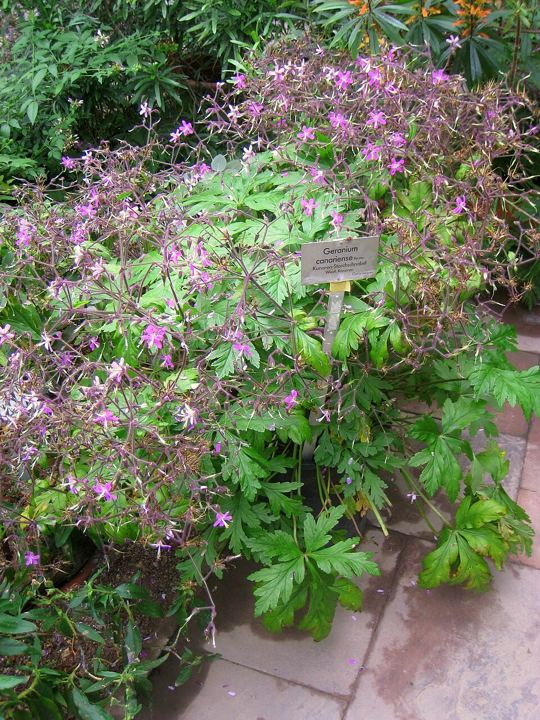 Canary cranesbillGeranium canariense
Herb communities in damp shady places of the laurel forest.
Grows in: North, 300–1000 m · Above 1000 m
Photo: Daderot, Public domain
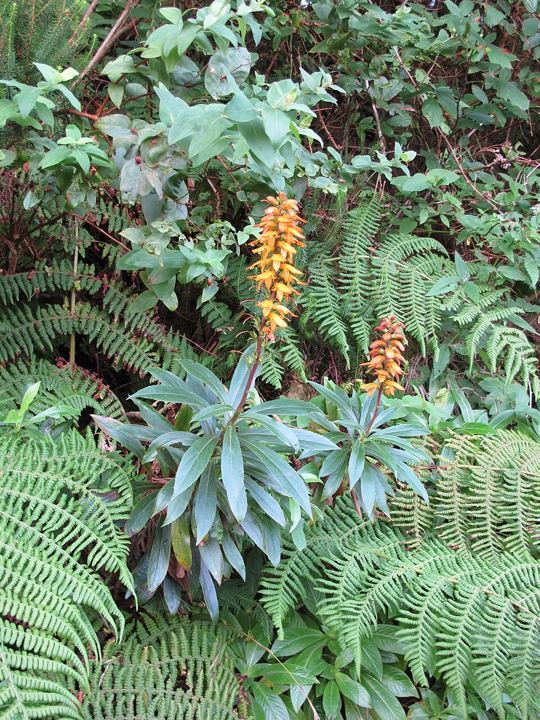 Canary foxgloveIsoplexis canariensis
Typical of the laurel forest, growing among shrubs in cool shady spots.
Grows in: North coast · North, 300–1000 m · Above 1000 m
Photo: scott.zona, CC BY 2.0
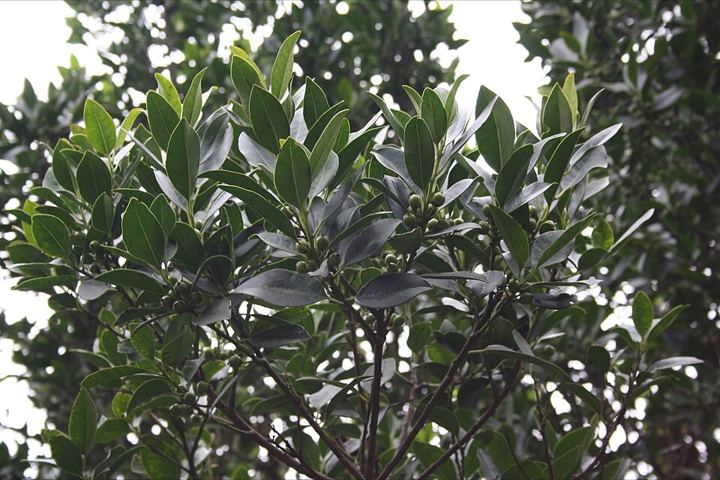 Canary holly (acebiño)Ilex canariensis
Typical of laurel forest, dry and humid, and of heath on ridges swept by wind and mist.
Grows in: North coast · North, 300–1000 m · Above 1000 m
Photo: Cowyda, CC BY-SA 3.0
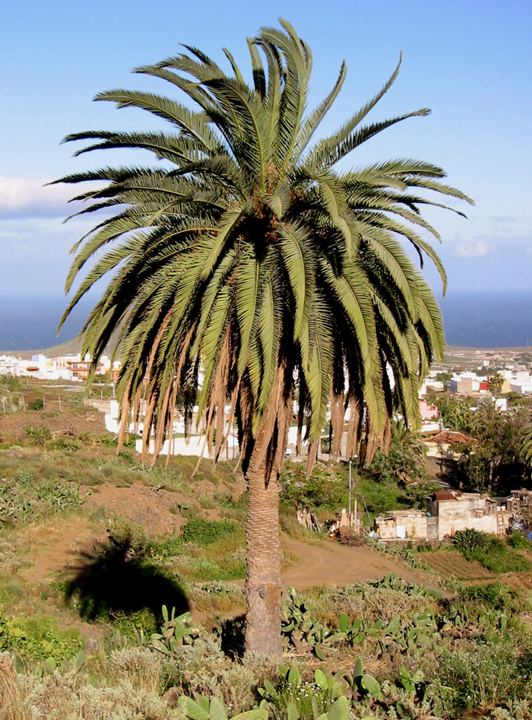 Canary Island date palmPhoenix canariensis
Dry sunny slopes and ravine beds of the low and middle zones, often forming palm groves. Typical of thermophilous woodland.
Grows in: South coast · North coast · South, 300–1000 m · North, 300–1000 m
Photo: Jose Mesa (Mataparda) from island of Tenerife, Canary Islands, Spain, CC BY-SA 2.0
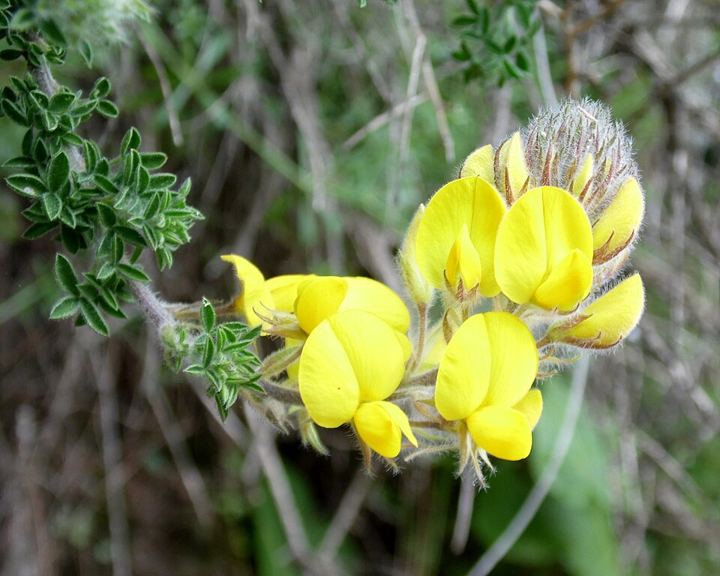 Canary Island flatpod (codeso)Adenocarpus foliolosus
Edges of laurel forest and its degraded stages, margins and clearings of pine forest, and lower cool sites on north-facing slopes.
Grows in: North coast · North, 300–1000 m · South, 300–1000 m · Above 1000 m
Photo: Krzysztof Ziarnek, Kenraiz, CC BY-SA 4.0
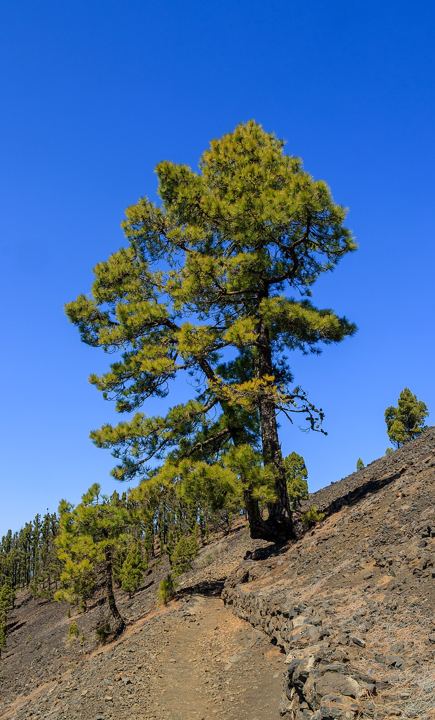 Canary Island pinePinus canariensis
The dominant species of Canary pine forests; on Tenerife it forms large stands at 1,200–2,000 m, occurs higher and descends almost to the coast, as around Icod.
Grows in: South coast · North coast · South, 300–1000 m · North, 300–1000 m · Above 1000 m
Photo: H. Zell, CC BY-SA 3.0
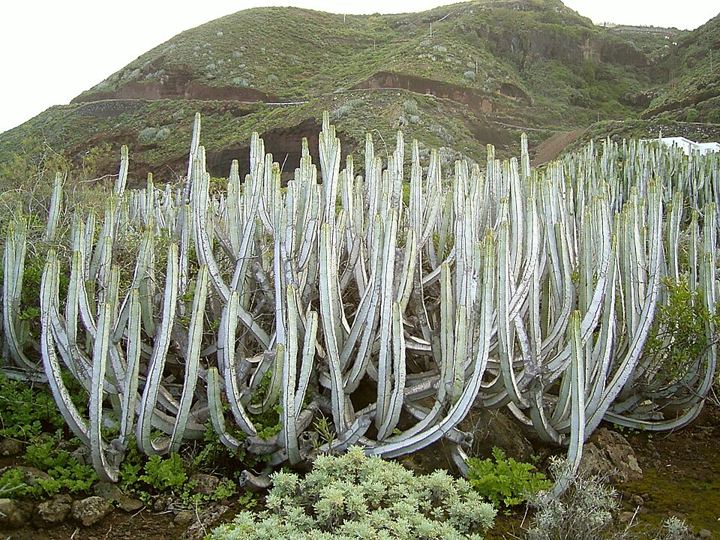 Canary Island spurge (cardón)Euphorbia canariensis
Common in dry sunny places of the lowlands: rocky slopes, cliffs and lava fields. Does not cope well with humid air.
Grows in: South coast · North coast · South, 300–1000 m · Above 1000 m
Photo: Frank Vincentz, CC BY-SA 3.0
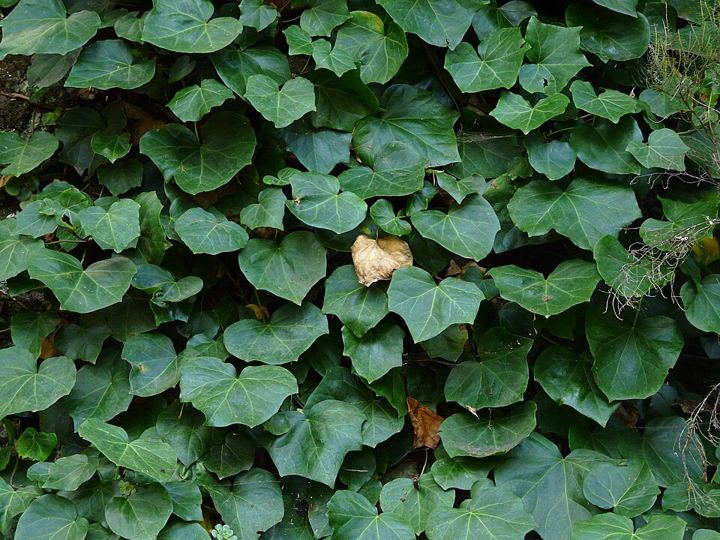 Canary ivyHedera canariensis
Typical of the laurel forest, always in shady, damp spots, climbing trunks and rocks or covering the forest floor.
Grows in: North, 300–1000 m · Above 1000 m
Photo: Bernd Sauerwein, CC BY-SA 3.0
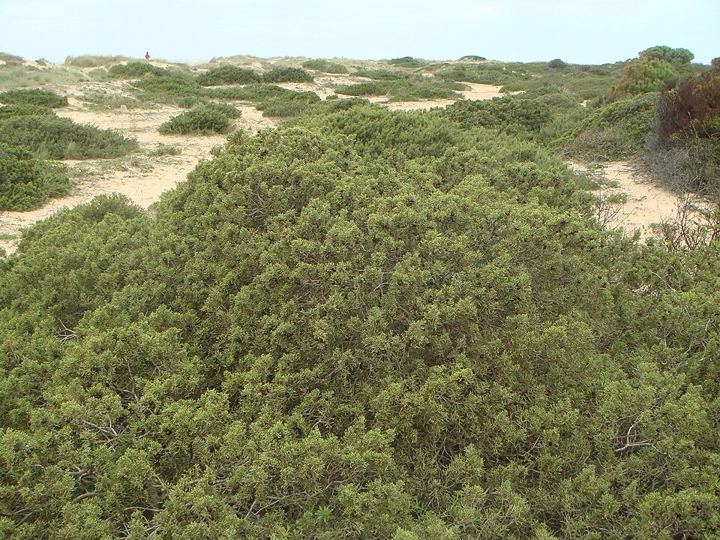 Canary juniper (sabina)Juniperus turbinata subsp. canariensis
Typical of mid-elevation thermophilous woodland on fairly deep soil, on cliffs and slopes; can descend lower, especially in the north of the island.
Grows in: South coast · North coast · South, 300–1000 m · Above 1000 m
Photo: Xemenendura, CC BY-SA 3.0
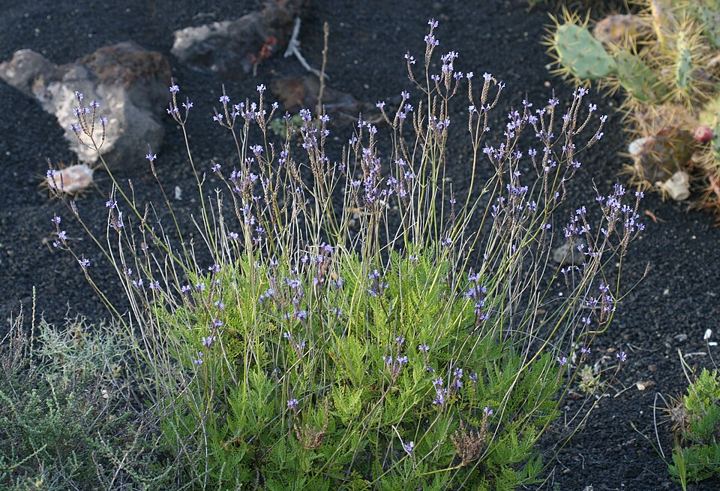 Canary lavenderLavandula canariensis
Stony slopes and cliffs in dry sunny places, 200–800 m.
Grows in: South coast · North coast · South, 300–1000 m
Photo: S. Rae from Scotland, UK, CC BY 2.0
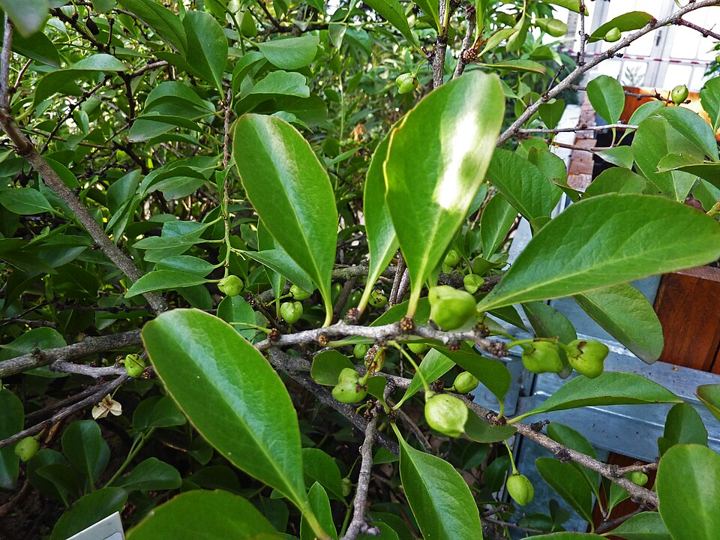 Canary maytenus (peralillo)Maytenus canariensis
Typical of mid-elevation thermophilous woodland, in ravines and on slopes, 200–1,000 m.
Grows in: South coast · North coast · South, 300–1000 m · North, 300–1000 m
Photo: James Steakley, CC BY-SA 3.0
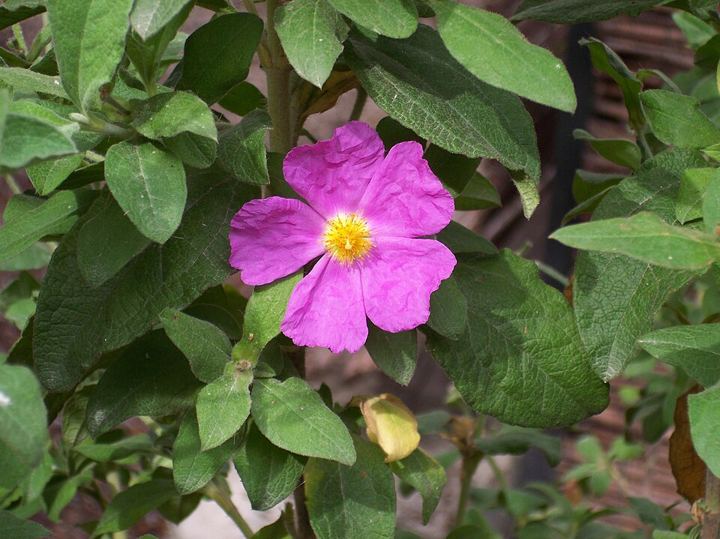 Canary rock rose (amagante)Cistus symphytifolius
Very common in pine and other forests of the islands at 800–1,800 m.
Grows in: South, 300–1000 m · Above 1000 m · North, 300–1000 m
Photo: A. Barra, CC BY-SA 4.0
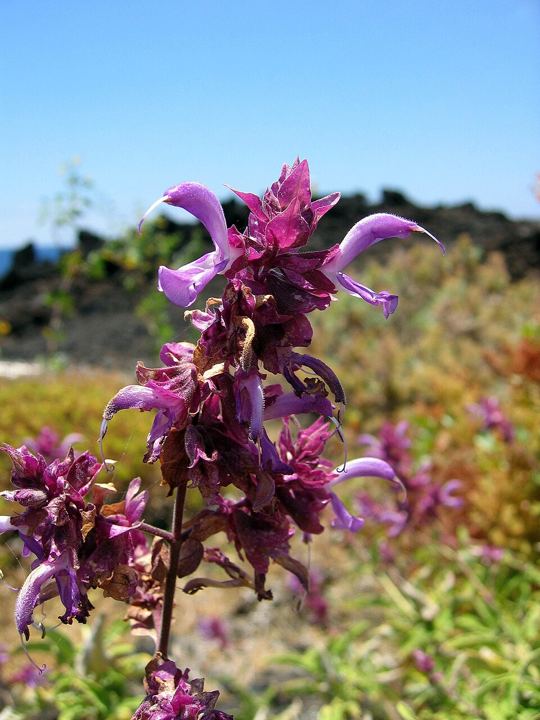 Canary sageSalvia canariensis
A drought-loving species of stony lowland slopes; on dry south-facing slopes it climbs to 1,000 m.
Grows in: South coast · North coast · South, 300–1000 m
Photo: Tigerente, CC BY-SA 3.0
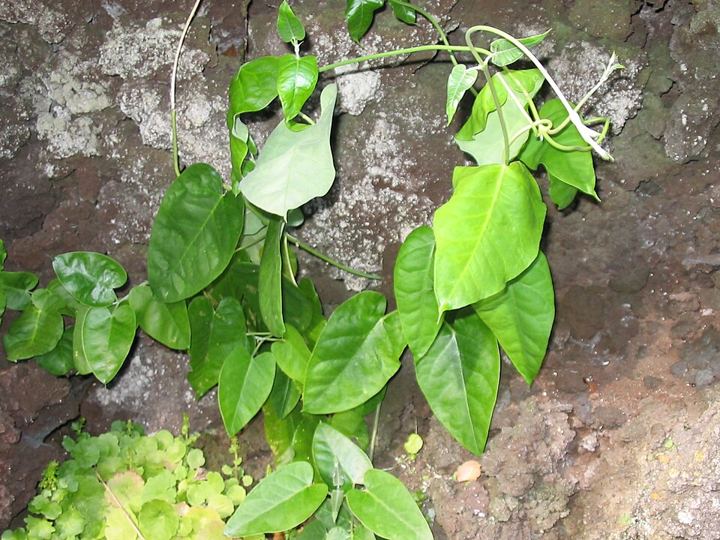 Canary sarsaparillaSmilax canariensis
Lives inside the laurel forest, where it finds the shade and moisture it needs.
Photo: Ixitixel, CC BY-SA 3.0
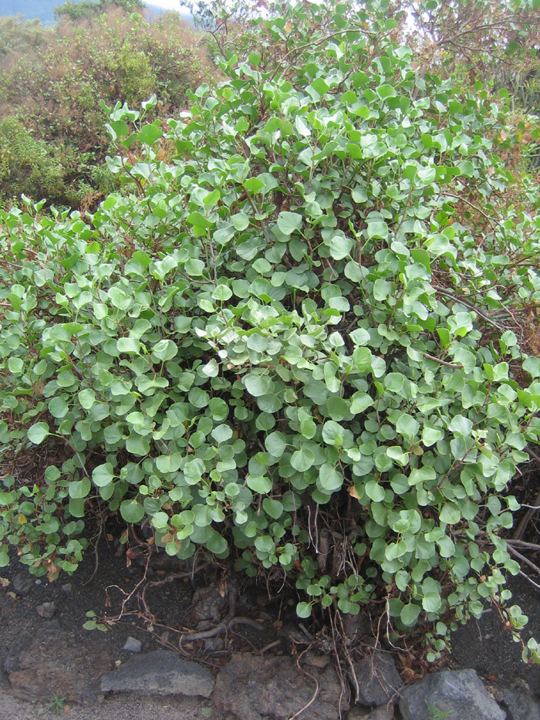 Canary sorrel (vinagrera)Rumex lunaria
Very abundant in scrub on dry sunny slopes of the low and middle zones. Also found on shady road banks.
Grows in: South coast · North coast · South, 300–1000 m · North, 300–1000 m · Above 1000 m
Photo: Nanosanchez, Public domain
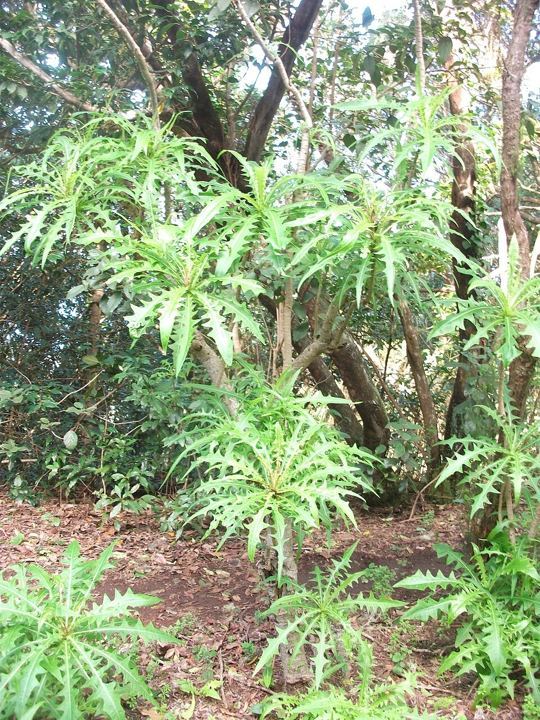 Canary sow-thistleSonchus canariensis
Dry sunny slopes and cliffs, in scrub at 300–600 m and above.
Grows in: South coast · North coast · South, 300–1000 m · Above 1000 m
Photo: Felorodriguez, CC BY-SA 3.0
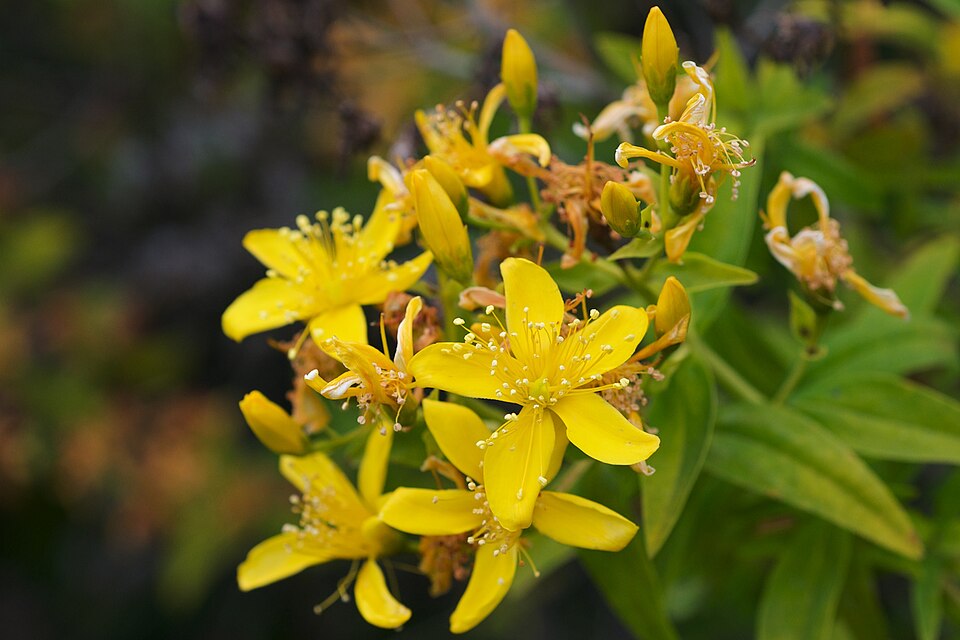 Canary St John's wortHypericum canariense
Typical of thermophilous scrub in the middle zones of the islands.
Grows in: South coast · North coast · South, 300–1000 m · North, 300–1000 m · Above 1000 m
Photo: Eric in SF, CC BY-SA 3.0
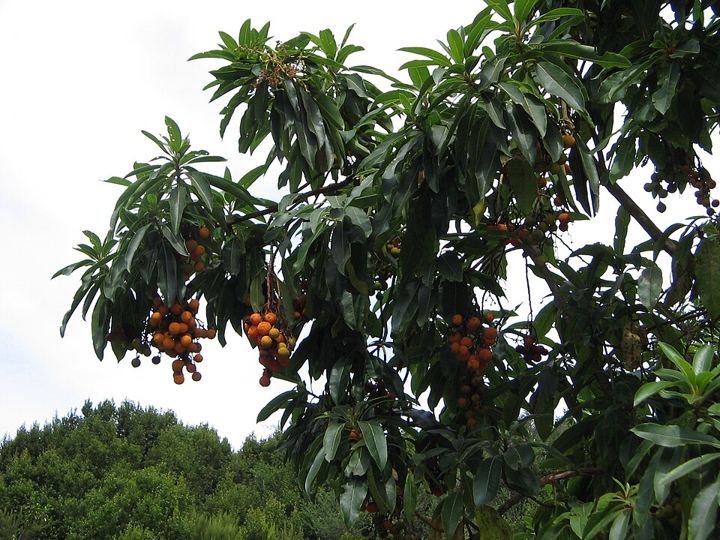 Canary strawberry tree (madroño)Arbutus canariensis
Typical of dry laurel forest, preferring steep sunny sites on ridges and slopes, 600–1,200 m.
Grows in: North coast · North, 300–1000 m
Photo: Meneerke bloem, CC BY-SA 4.0
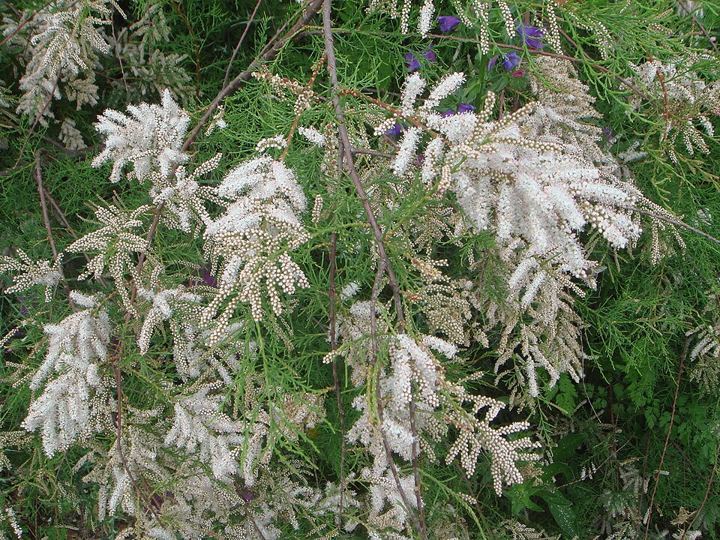 Canary tamariskTamarix canariensis
A salt-loving coastal species of beaches, ravine mouths and cliffs. Stands up well to sea spray.
Grows in: South coast · North coast
Photo: Xemenendura, CC BY 3.0
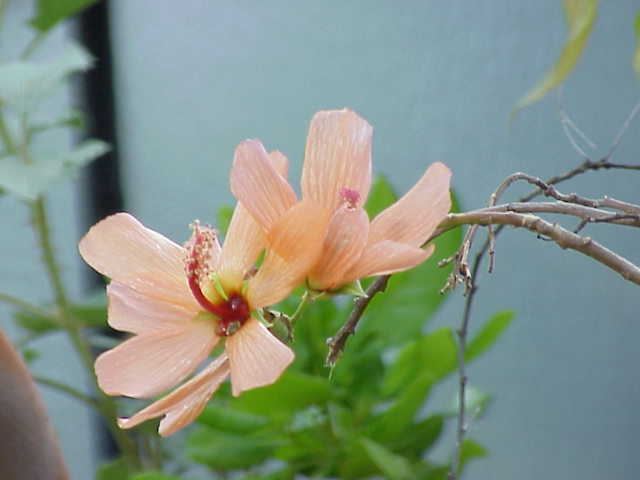 Canary tree mallow (Navaea)Navaea phoenicea
Rocky slopes, cliffs and inaccessible crags in the thermophilous woodland belt.
Grows in: South coast · North coast · South, 300–1000 m
Photo: Kurt Stüber [1], CC BY-SA 3.0
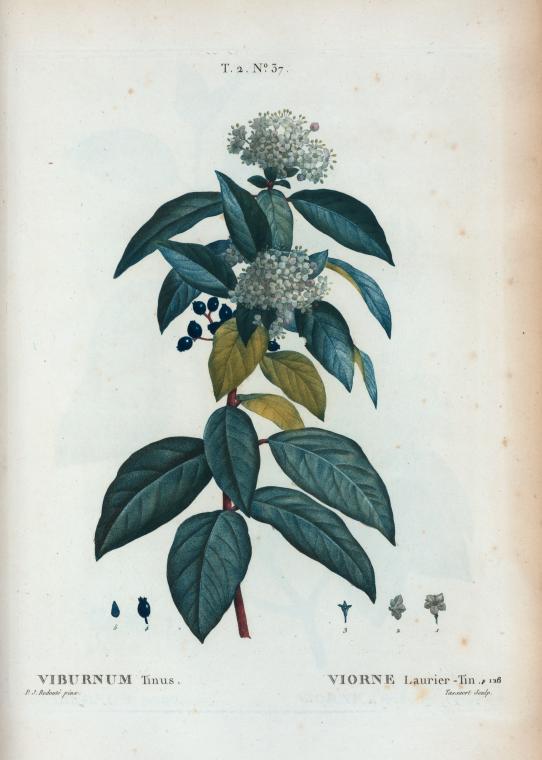 Canary viburnum (follao)Viburnum rigidum
A typical shrub of the laurel forest, 400–1,200 m.
Grows in: North coast · North, 300–1000 m · Above 1000 m
Photo: Pierre-Joseph Redouté, Public domain
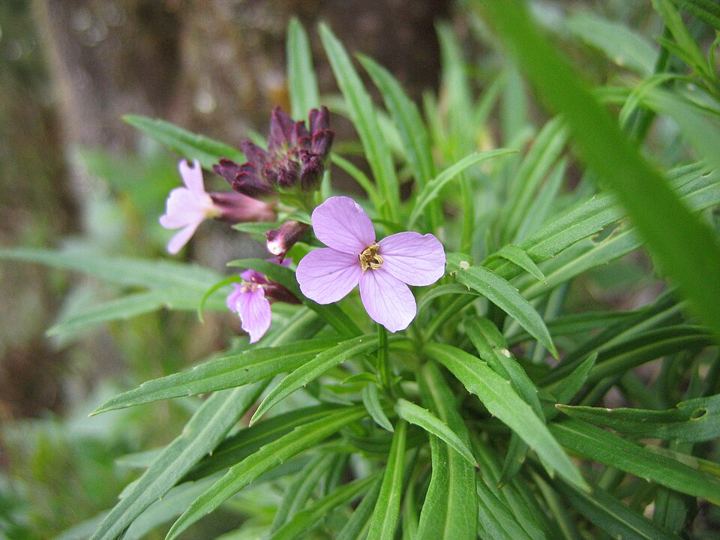 Canary wallflowerErysimum bicolor
Locally common at 300–1,000 m, especially in thermophilous vegetation and degraded laurel forest.
Photo: Engeser, CC BY-SA 3.0
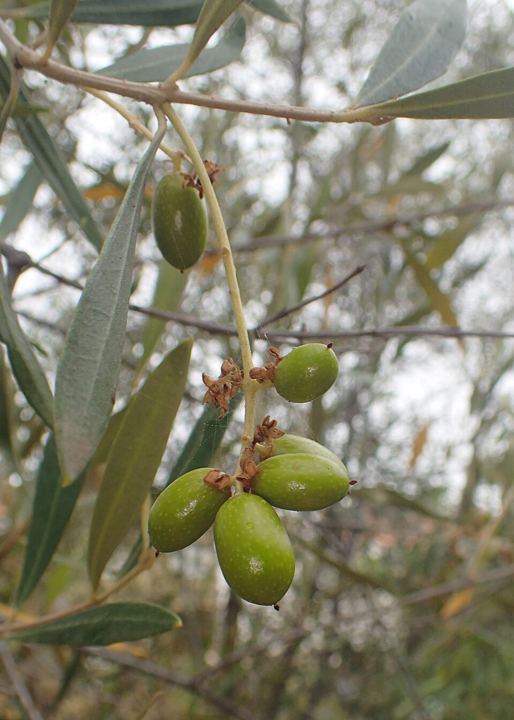 Canary wild olive (acebuche)Olea cerasiformis
Typical of mid-elevation thermophilous woodland: ravines, slopes and dry sunny cliffs, 200–600 m.
Grows in: South coast · North coast · South, 300–1000 m
Photo: Krzysztof Ziarnek, Kenraiz, CC BY-SA 4.0
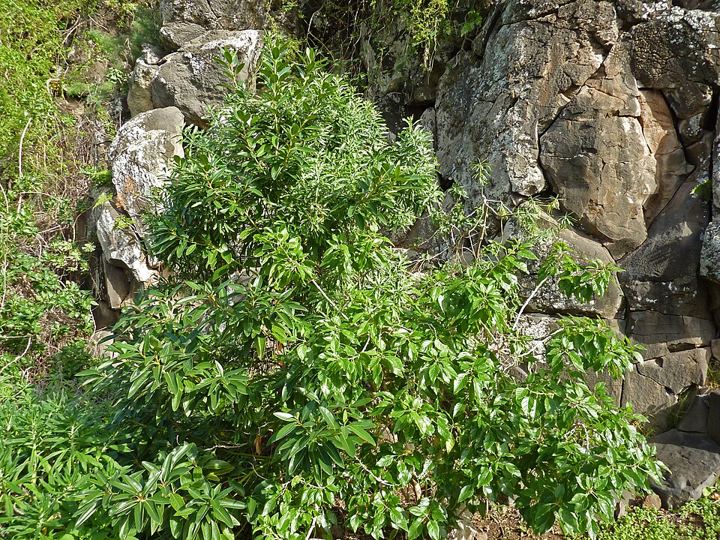 Canary withania (orobal)Withania aristata
Ranges from the coast to thermophilous woodland, 0–600 m, in ravines, scree and foothills with moist, nitrogen-rich soil.
Photo: James Steakley, CC BY-SA 3.0
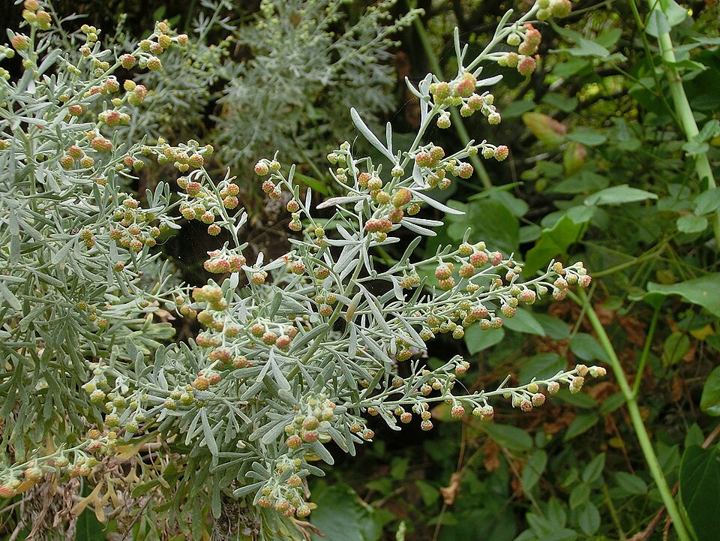 Canary wormwood (incienso)Artemisia thuscula
Common and typical in dry scrub of the low and middle zones.
Grows in: South coast · North coast · South, 300–1000 m
Photo: Gabriele Kothe-Heinrich, CC BY-SA 3.0
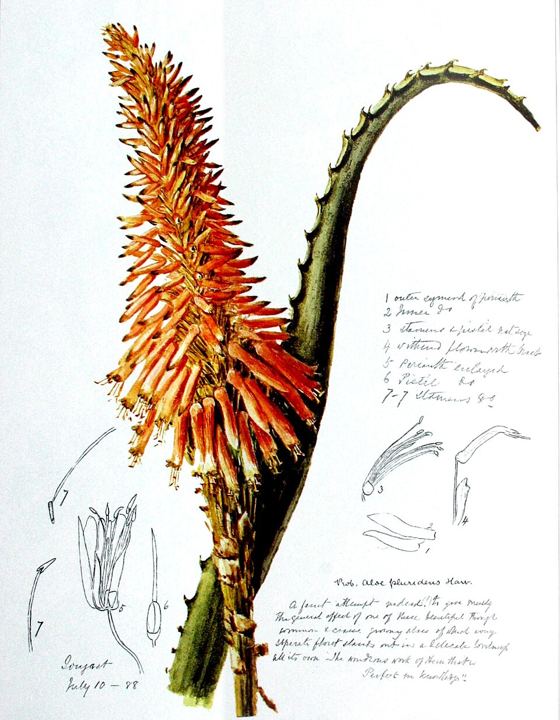 Candelabra aloeAloe arborescens
A South African species introduced to Tenerife, La Palma and Gran Canaria.
Photo: Katharine Saunders (1824-1901), Public domain
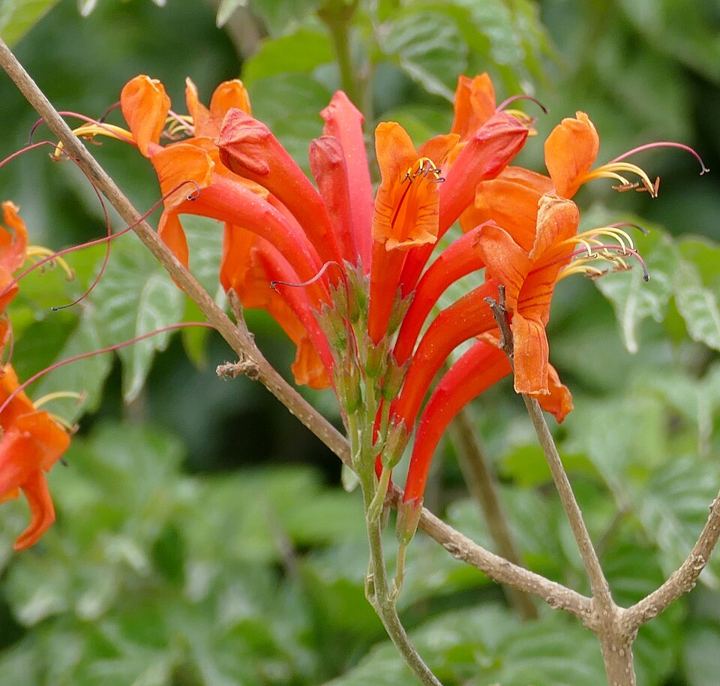 Cape honeysuckleTecomaria capensis
A species of warm places.
Grows in: South coast · North coast · South, 300–1000 m · North, 300–1000 m
Photo: Bernard DUPONT from FRANCE, CC BY-SA 2.0
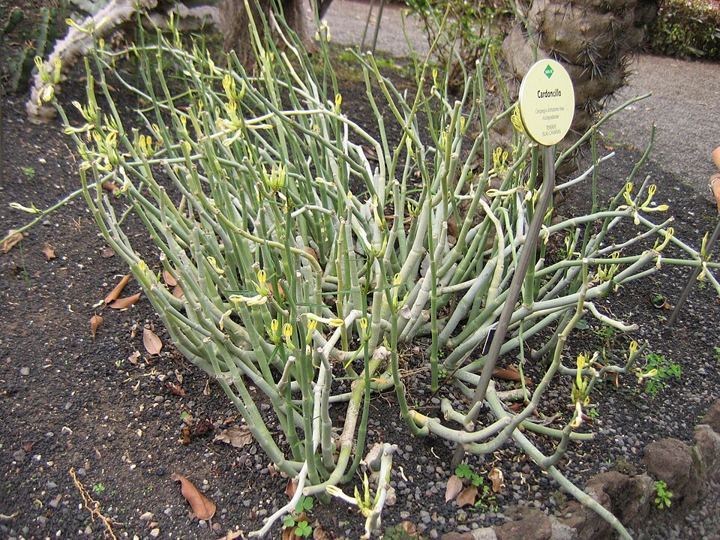 Cardoncillo (Ceropegia dichotoma)Ceropegia dichotoma
Locally common on Tenerife's north coast up to 500 m and on the southern shore, in spurge scrub on dry sunny slopes and rocks.
Grows in: South coast · North coast
Photo: Engeser, CC BY-SA 4.0
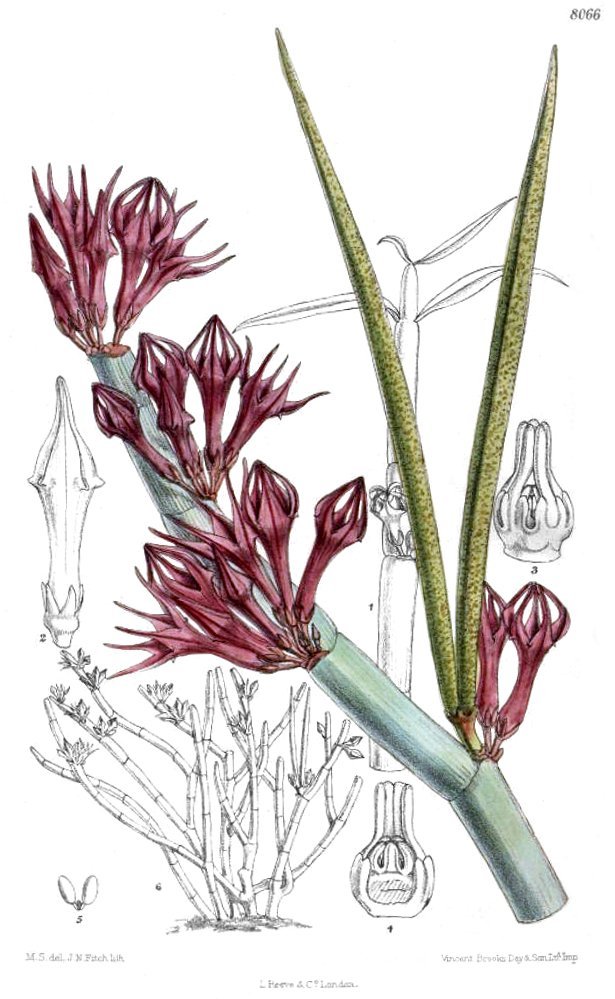 Cardoncillo (Ceropegia fusca)Ceropegia fusca
Typical of dry, hot rocky places in the south of the island.
Grows in: South coast · North coast
Photo: William Turner Thiselton-Dyer (1843-1928), Public domain
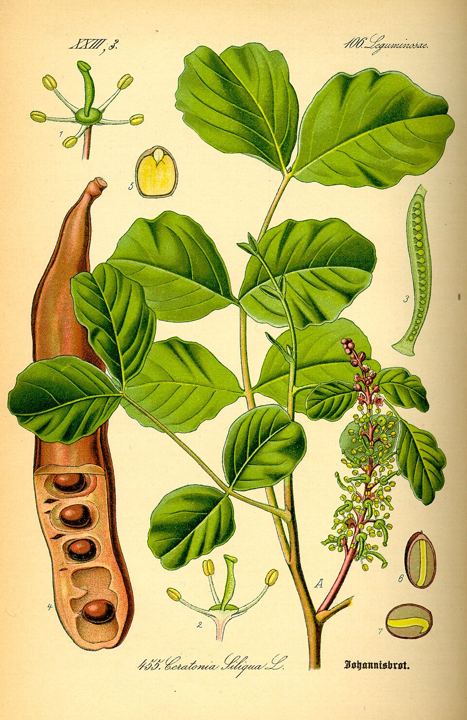 Carob treeCeratonia siliqua
A typical Mediterranean tree, naturalised on almost every island. Likes warmth and sun, tolerates drought well, is sensitive to cold. Found near the coast and in ravine b…
Photo: Wikimedia Commons, Public domain
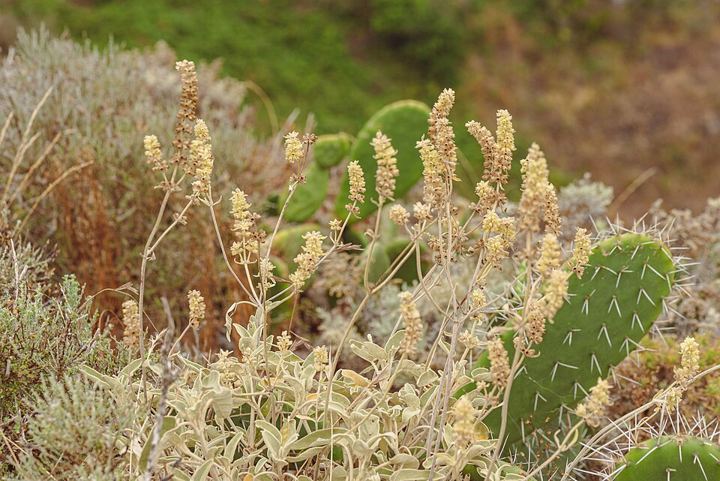 Chahorra (Sideritis dendro-chahorra)Sideritis dendro-chahorra
Common on dry sunny cliffs and slopes, 150–900 m, in tall spurge scrub and thermophilous woodland.
Grows in: South coast · North coast · South, 300–1000 m · North, 300–1000 m
Photo: Flocci Nivis, CC BY 4.0
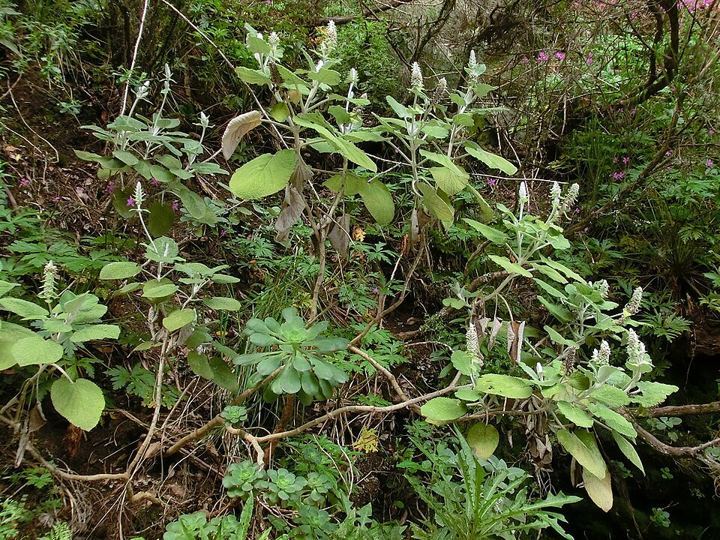 Chahorra (Sideritis macrostachya)Sideritis macrostachya
Cliffs and rocky slopes in the laurel forest belt.
Grows in: North coast · North, 300–1000 m
Photo: Gabriele Kothe-Heinrich, CC BY-SA 3.0
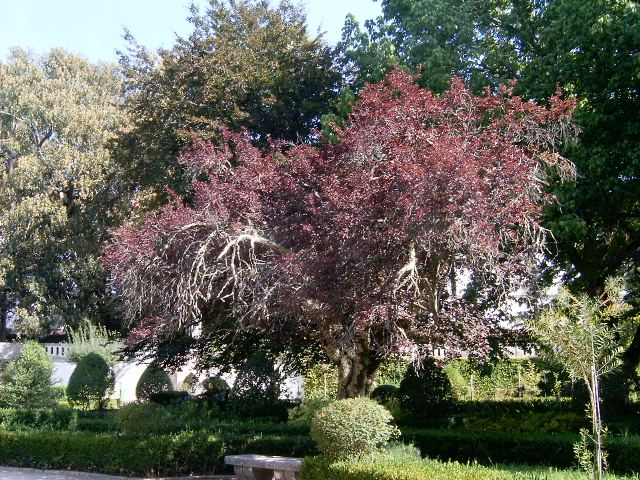 Cherry plumPrunus cerasifera
Withstands a wide range of climates, warm and cold. With enough moisture it accepts poor and chalky soils.
Grows in: South coast · North coast · South, 300–1000 m · North, 300–1000 m · Above 1000 m
Photo: Wikimedia Commons, CC BY 2.0
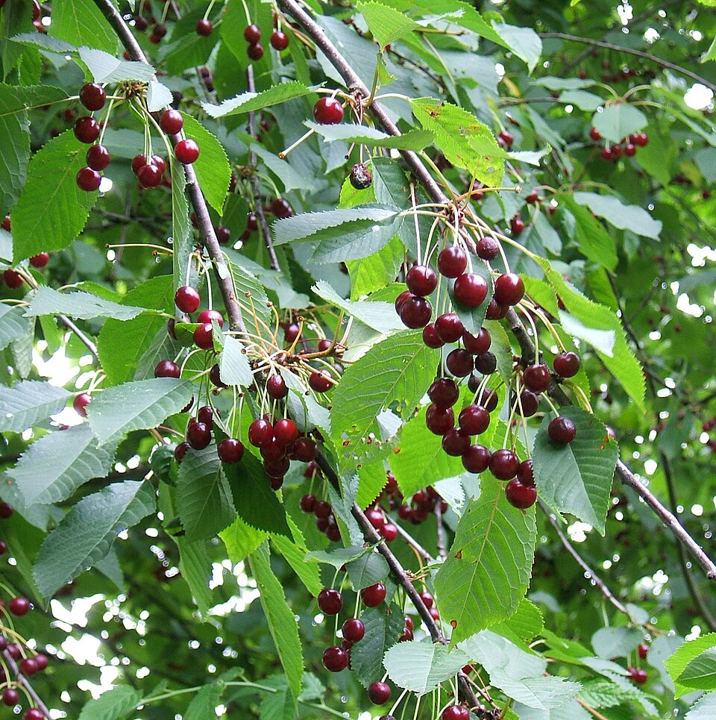 Cherry treePrunus avium
Hardy to -20 °C
Light: sun. Watering: medium. Soil: deep.
Grows in: Above 1000 m · North, 300–1000 m
Photo: MPF, CC BY 2.5
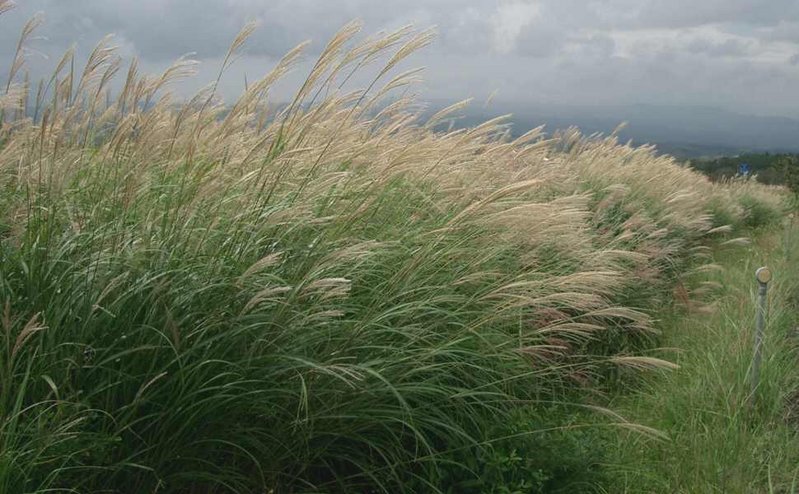 Chinese silver grassMiscanthus sinensis
Hardy to -20 °C
Light: sun. Watering: medium. Soil: any.
With watering: North, 300–1000 m · Above 1000 m
Photo: Miya.m, CC BY-SA 3.0
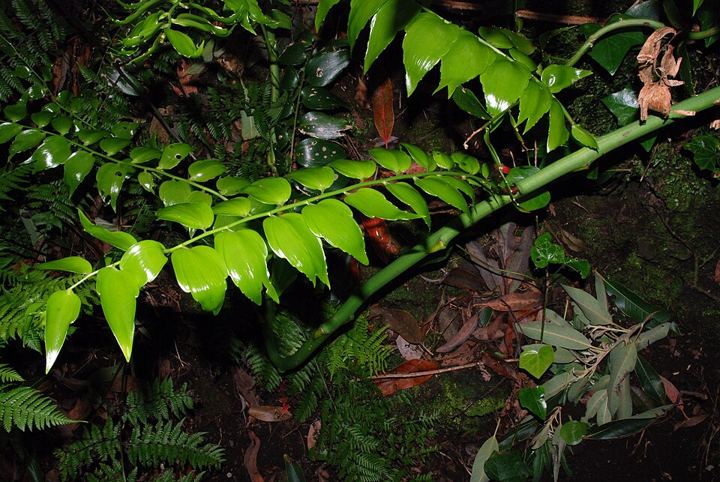 Climbing butcher's broom (Semele)Semele androgyna
Typical of the laurel forest, generally at 400–1,200 m. Common in many Canary forests but needs good-quality habitat.
Photo: Tigerente, CC BY-SA 3.0
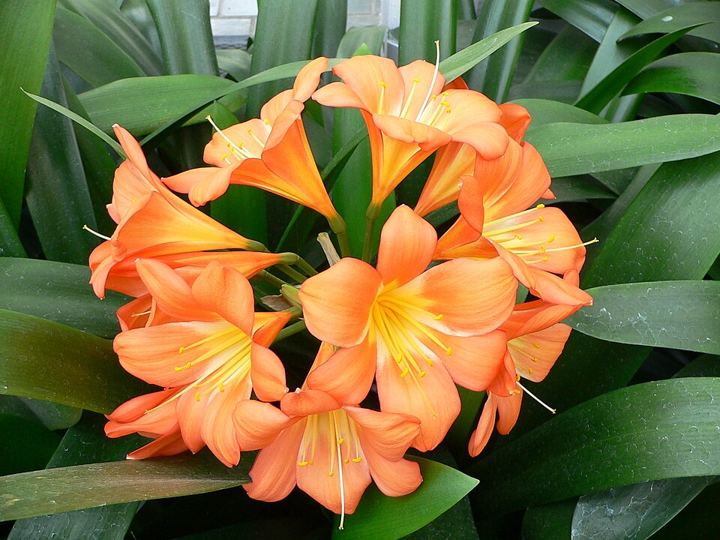 Clivia (bush lily)Clivia miniata
Temperate climate, partial or full shade with good light. Undemanding about soil; needs permeable garden earth. Likes plenty of moisture, especially in summer, yet tolera…
Grows in: South coast · North coast · South, 300–1000 m · North, 300–1000 m · Above 1000 m
Photo: Raul654, CC BY-SA 3.0
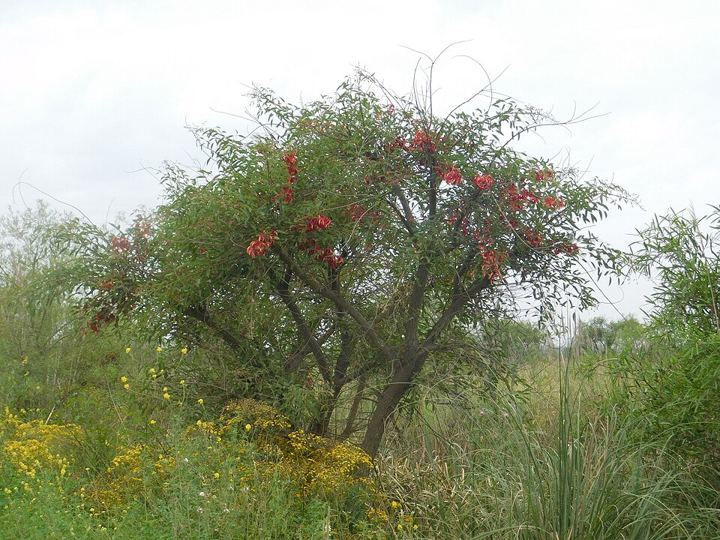 Cockspur coral treeErythrina crista–galli
Warm climate; cannot take frost or strong wind and needs full sun. Moist, well-drained soil. Tolerates urban pollution.
Grows in: South coast · North coast · South, 300–1000 m · North, 300–1000 m
Photo: Pablo Bombín, CC0
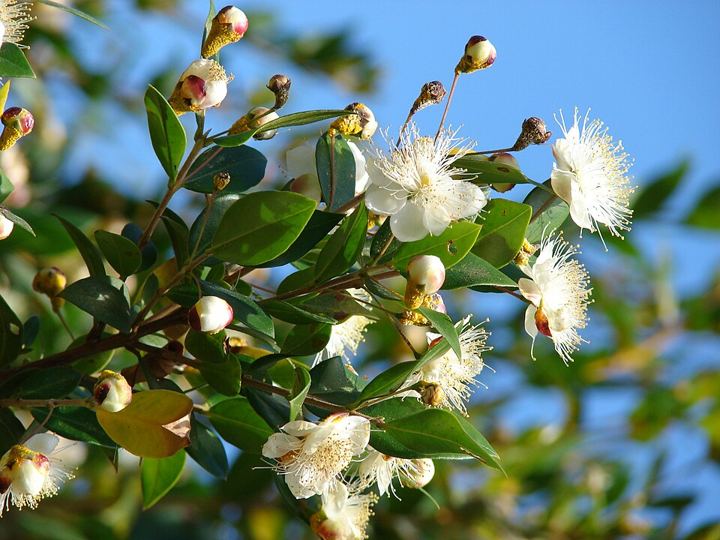 Common myrtleMyrtus communis
Native to southern Europe and North Africa.
Photo: Forest & Kim Starr, CC BY 3.0
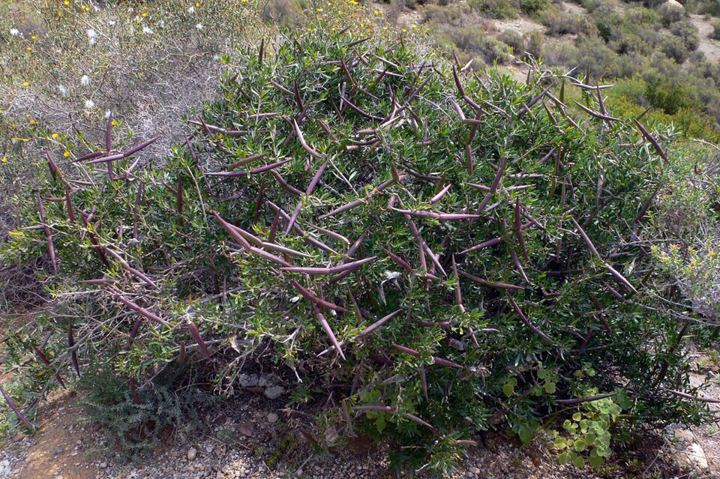 Cornical (Periploca laevigata)Periploca laevigata
Very common in dry scrub on dry sunny sites in the low and middle zones. Typical of spurge scrub.
Grows in: South coast · North coast · South, 300–1000 m
Photo: Nanosanchez, Public domain
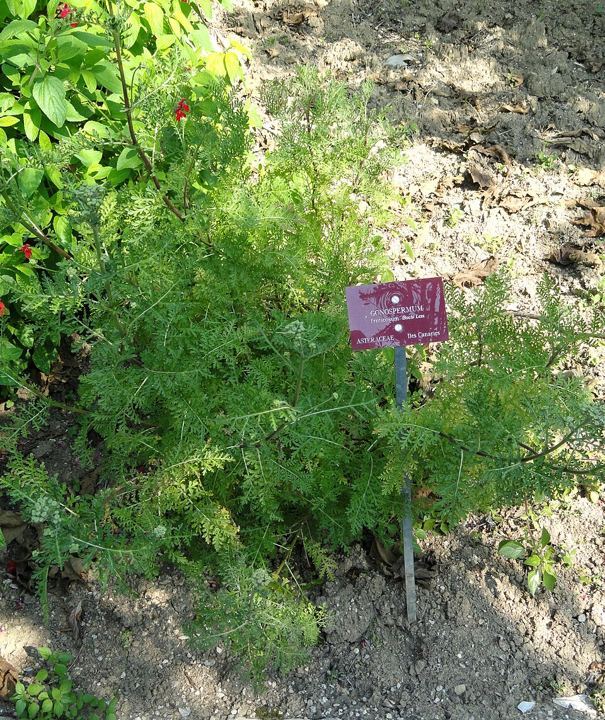 Corona de la Reina (Gonospermum)Gonospermum fruticosum
Spurge scrub, thermophilous woodland and dry laurel forest.
Photo: Daderot, Public domain
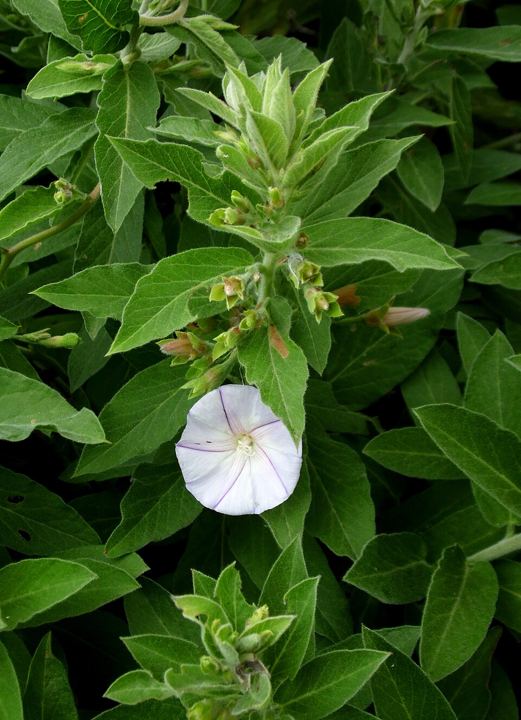 Corregüela (Convolvulus perraudieri)Convolvulus perraudieri
Endemic to the central islands, in semi-dry formations of the southern sectors. A rare species in need of protection.
Photo: Krzysztof Ziarnek, Kenraiz, CC BY-SA 3.0
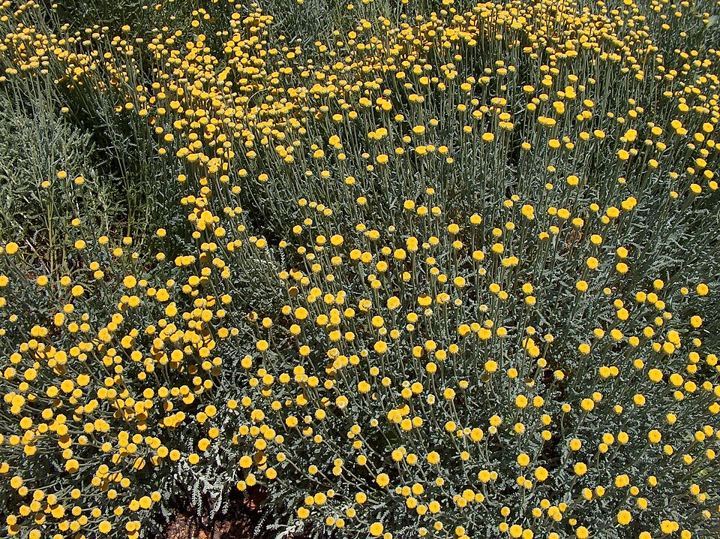 Cotton lavenderSantolina chamaecyparissus
Native to southern Europe. Grows on clay or stony hills and slopes.
Photo: Wikimedia Commons, CC BY-SA 3.0
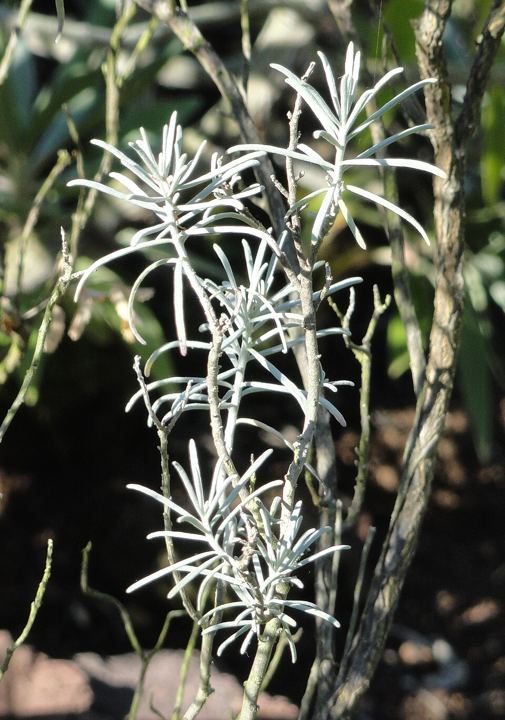 Dama (Parolinia intermedia)Parolinia intermedia
Dry sunny clay-and-stone slopes, old basalts and recent lava fields, 50–400 m in the west and south-west of the island.
Grows in: South coast · North coast
Photo: Daderot, CC0
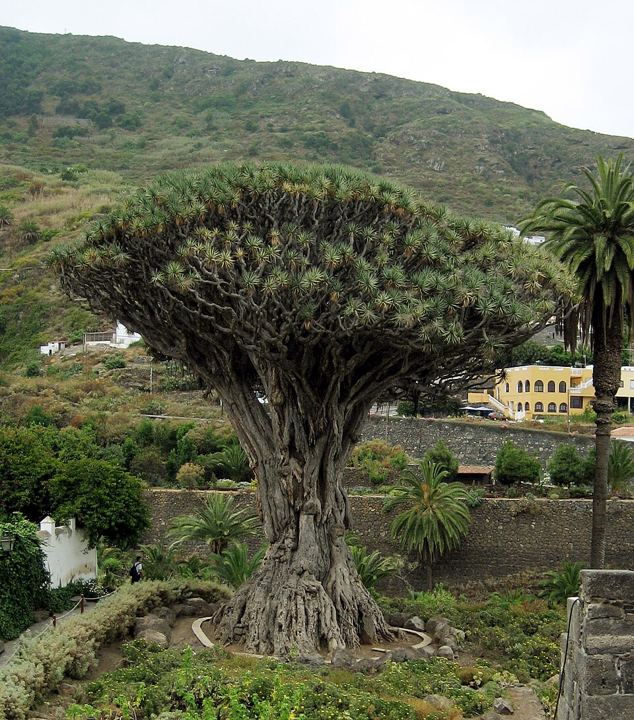 Dragon treeDracaena draco
Cliffs and coastal crags, and steep mid-elevation slopes. Typical of thermophilous woodland.
Grows in: South coast · North coast · South, 300–1000 m · North, 300–1000 m
Photo: Wikimedia Commons, CC BY-SA 3.0
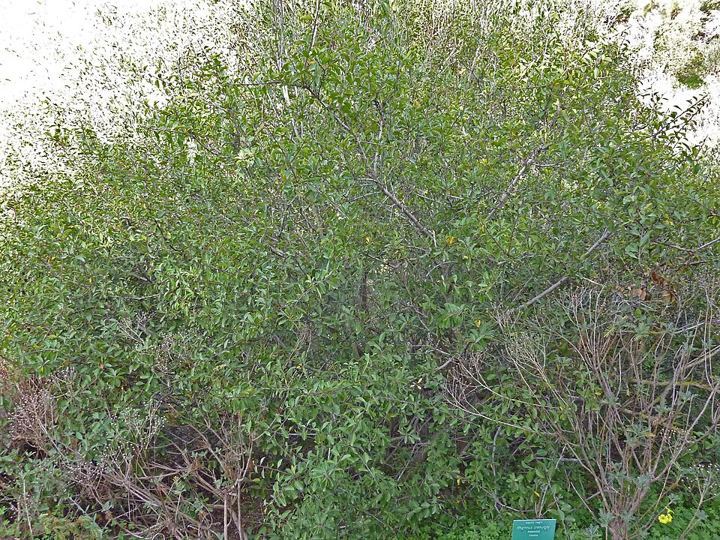 Espinero (Rhamnus crenulata)Rhamnus crenulata
A Canary endemic typical of thermophilous scrub and groves on slopes at 300–600 m and of spurge scrub, often sheltering inside large spurges.
Photo: James Steakley, CC BY-SA 3.0
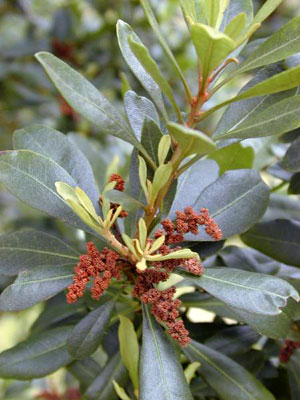 Faya (firetree)Morella faya
A typical, tough species of the laurel forest, both mature and degraded; also found in mixed pine forest.
Grows in: North coast · North, 300–1000 m · South, 300–1000 m · Above 1000 m
Photo: Wikimedia Commons, Public domain
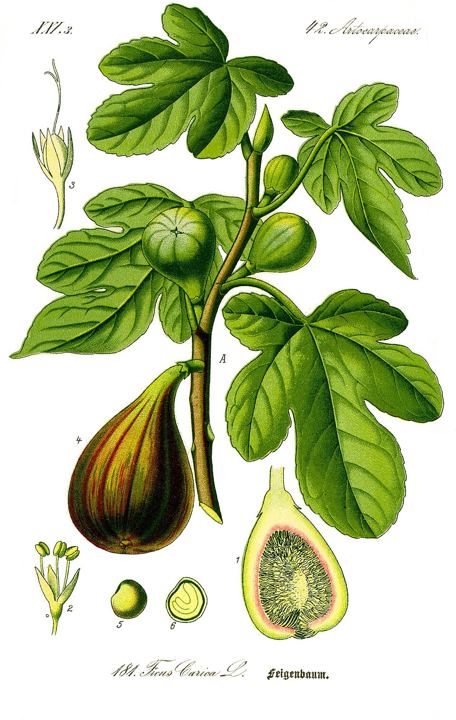 FigFicus carica
Hardy to -8 °C
Light: sun. Watering: low. Soil: any.
Grows in: South, 300–1000 m · North, 300–1000 m · South coast
Photo: User:Kilom691, CC BY-SA 3.0
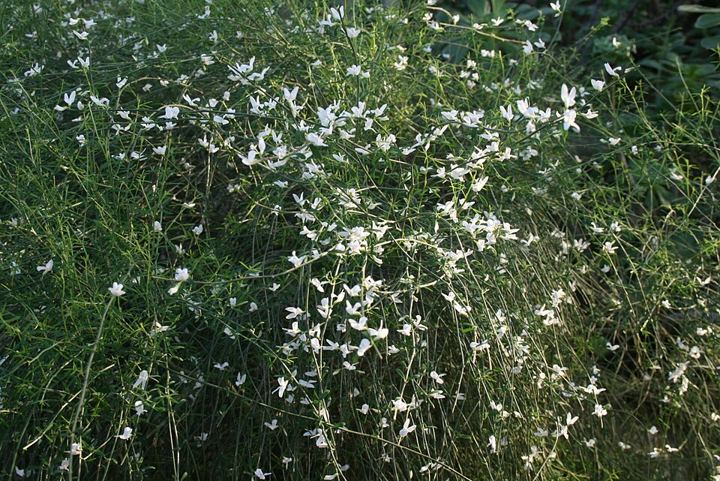 Fine broom (Spartocytisus filipes)Spartocytisus filipes
Lives on steep ravine walls in the low and middle mountains, 200–500 m.
Photo: Sten Porse, CC BY-SA 3.0
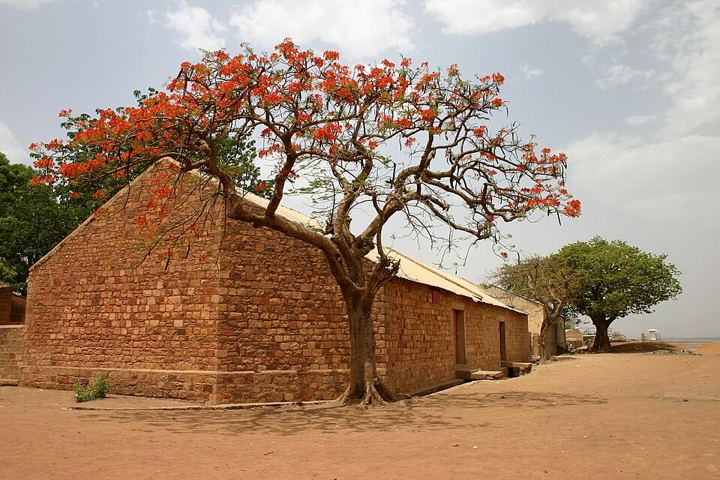 Flame treeDelonix regia
Hardy to 3 °C
Light: sun. Watering: low. Soil: well drained.
Grows in: South coast · North coast
Photo: Robin Taylor from Bamako, Mali, CC BY 2.0
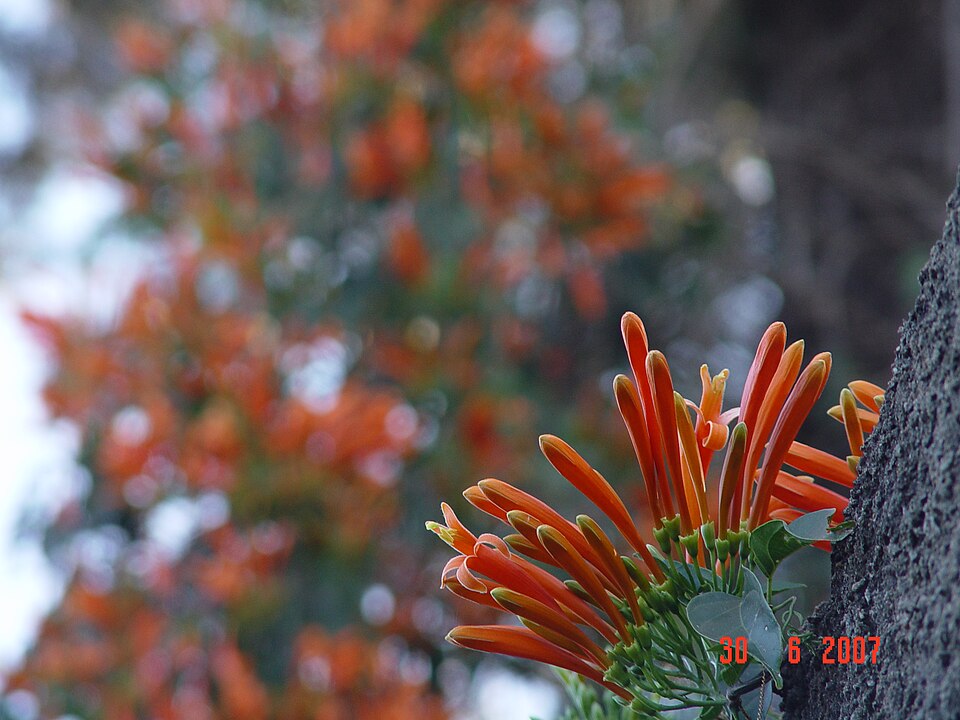 Flame vinePyrostegia venusta
A tropical or subtropical plant of warm places. Undemanding about soil, preferably fertile, moist and well drained. Needs sun.
Grows in: South coast · North coast · South, 300–1000 m · North, 300–1000 m
Photo: Sica, CC BY-SA 3.0
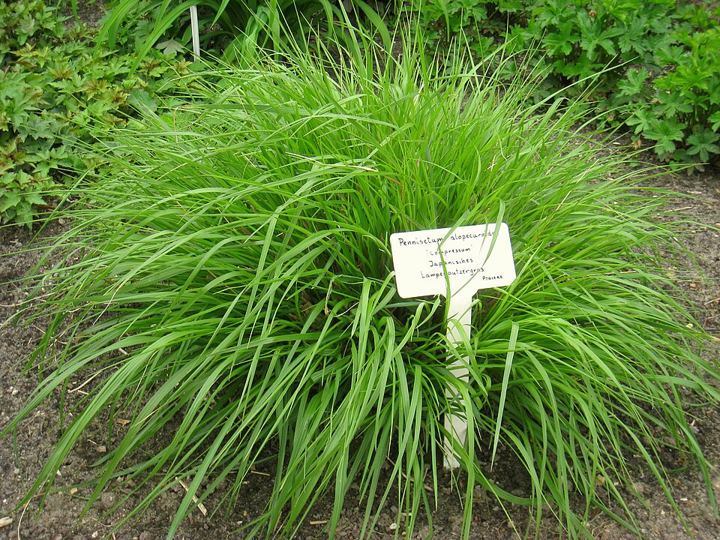 Fountain grassPennisetum alopecuroides
Hardy to -10 °C
Light: sun. Watering: low. Soil: any.
Grows in: North, 300–1000 m · South, 300–1000 m
Photo: Daderot, Public domain
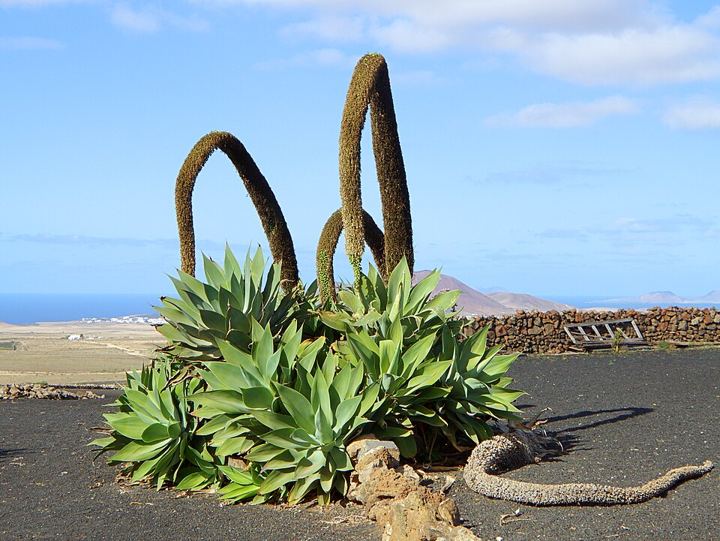 Foxtail agaveAgave attenuata
Hardy to 0 °C
Light: sun / partial shade. Watering: very low. Soil: well drained.
Grows in: South coast · North coast · South, 300–1000 m
Photo: H. Zell, CC BY-SA 3.0
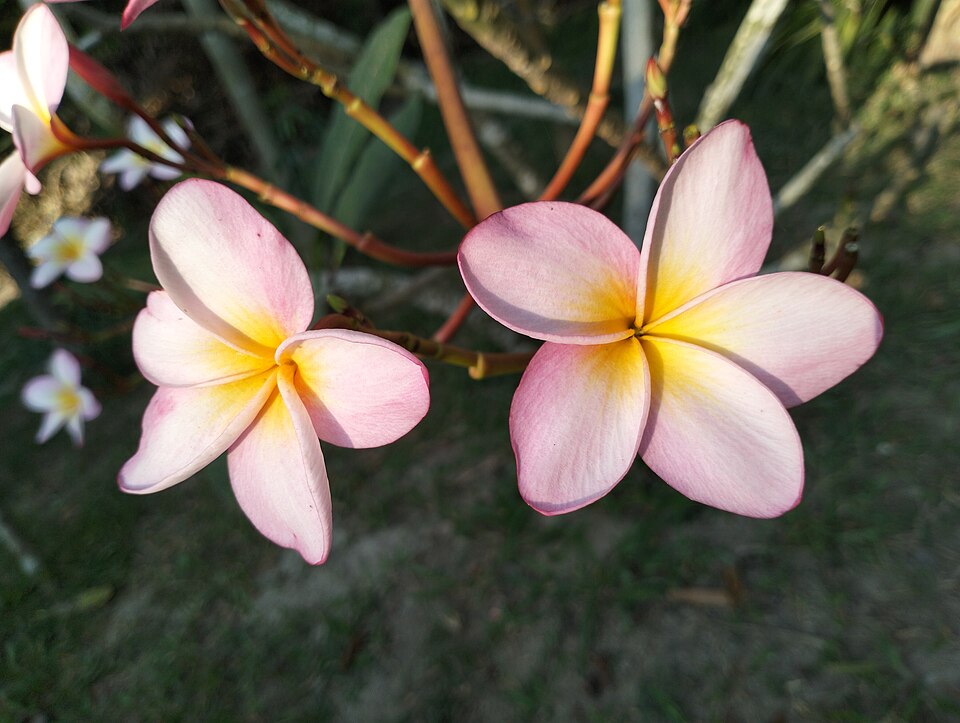 FrangipaniPlumeria rubra
Hardy to 5 °C
Light: sun. Watering: low. Soil: well drained.
Grows in: North coast · South coast
Photo: Shah Emtiaj, CC BY-SA 4.0
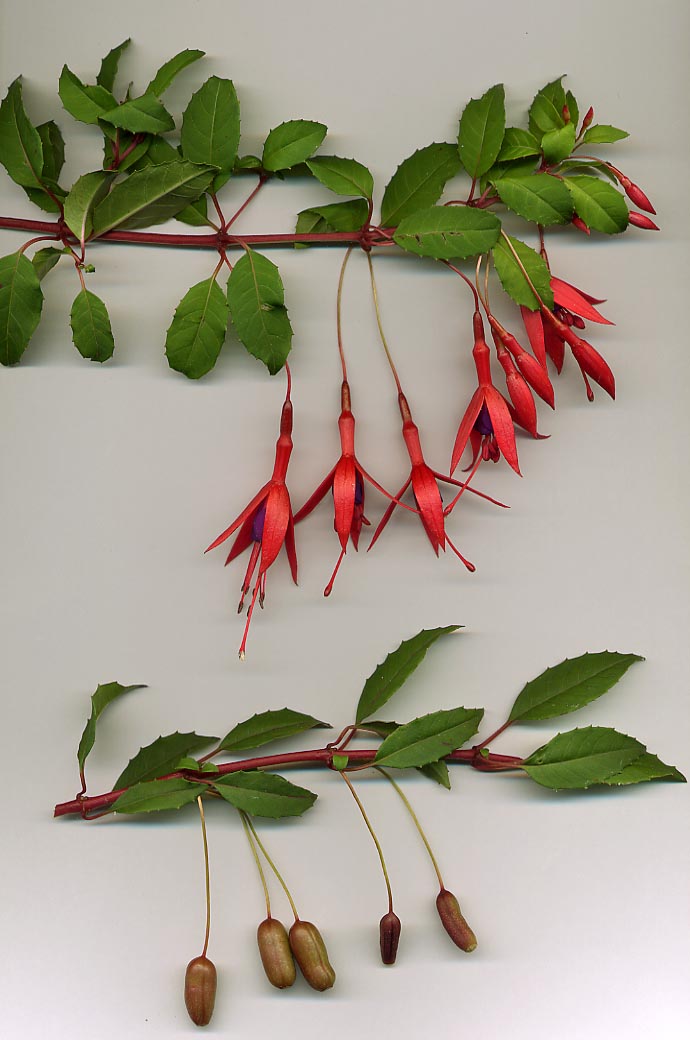 FuchsiaFuchsia magellanica
Hardy to -5 °C
Light: partial shade. Watering: high. Soil: fertile.
With watering: North, 300–1000 m · North coast
Photo: Wikimedia Commons, CC BY-SA 3.0
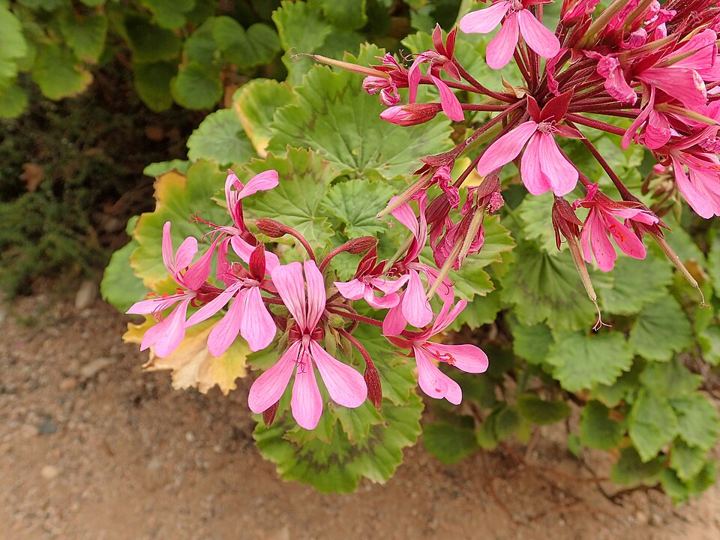 GeraniumPelargonium zonale
Hardy to 0 °C
Light: sun. Watering: low. Soil: any.
Grows in: North coast · South coast · North, 300–1000 m
Photo: Peter Warren, CC0
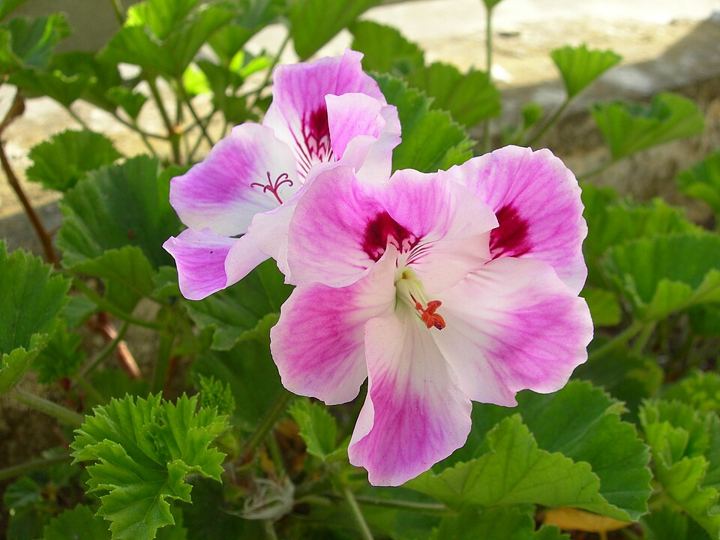 Geranium (Pelargonium)Pelargonium x
A very tough plant that needs full sun and warmth. Slightly acid, well-drained soil.
Grows in: South coast · North coast · South, 300–1000 m · North, 300–1000 m · Above 1000 m
Photo: Shelagh Fritz, Public domain
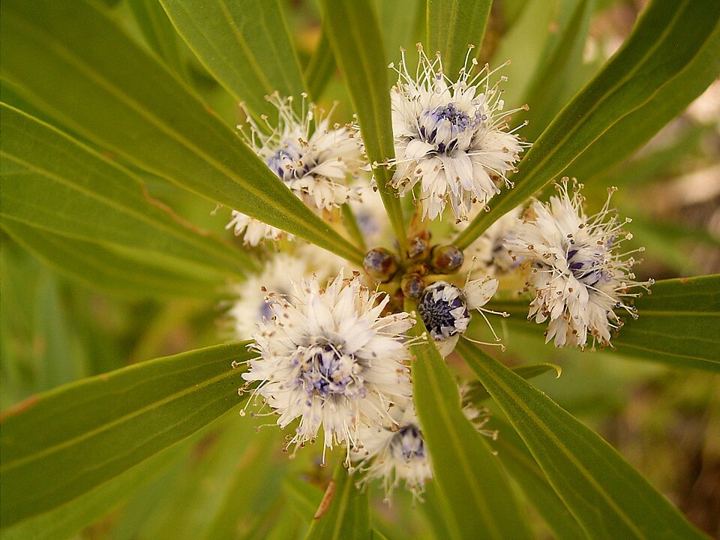 Globe daisy (Globularia salicina)Globularia salicina
Common on dry sunny stony slopes, 200–800 m, mainly in thermophilous scrub.
Grows in: South coast · North coast · South, 300–1000 m · North, 300–1000 m
Photo: Frank Vincentz, CC BY-SA 3.0
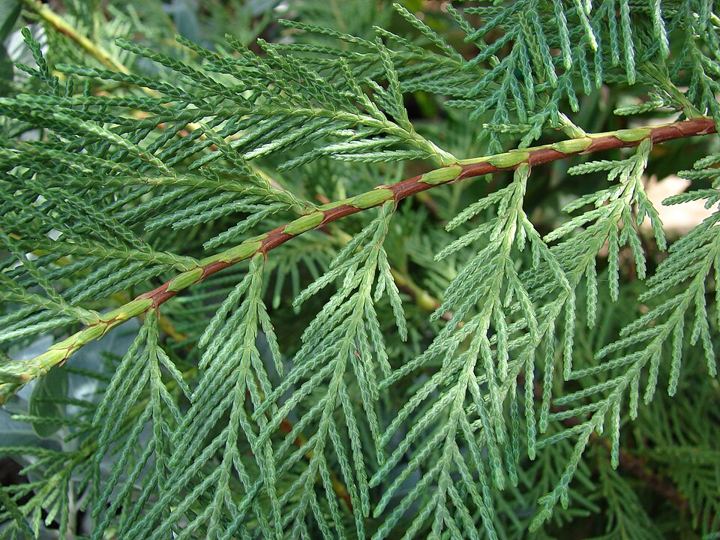 Golden Leyland cypressCupressus leylandii
Hardy to -15 °C
Light: sun. Watering: medium. Soil: any.
With watering: North, 300–1000 m · Above 1000 m
Photo: Forest & Kim Starr, CC BY 3.0
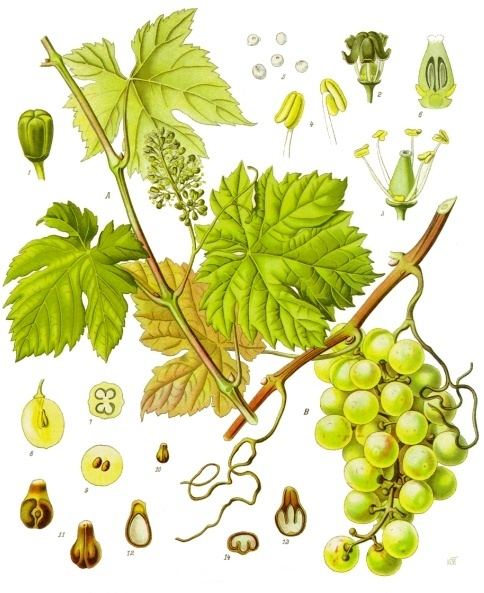 GrapevineVitis vinifera
Hardy to -15 °C
Light: sun. Watering: low. Soil: poor, volcanic.
Grows in: North, 300–1000 m · South, 300–1000 m
Photo: Franz Eugen Köhler, Köhler's Medizinal-Pflanzen, Public domain
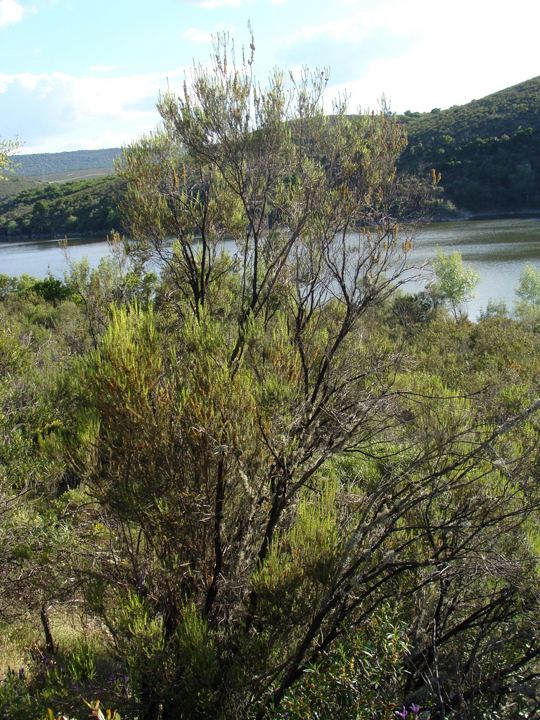 Green heath (tejo)Erica scoparia
Shares habitat with tree-heath woodland on ridges exposed to humid winds; abundant at the upper limit of the laurel forest.
Photo: naturalezafrague, CC BY-SA 2.0
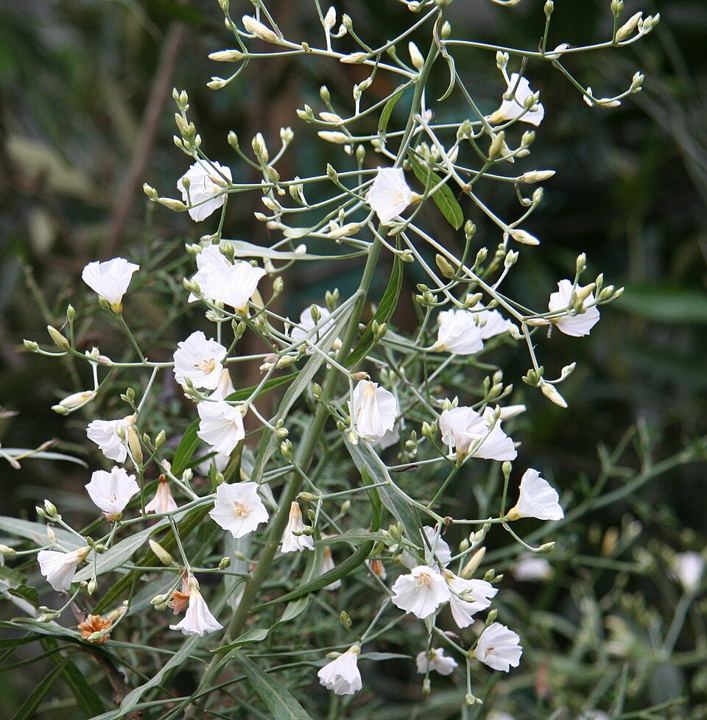 Guaydil (tree bindweed)Convolvus floridus
Very common on dry sunny slopes of the low and middle zones, 200–600 m, in spurge scrub and thermophilous shrubland.
Grows in: South coast · North coast · South, 300–1000 m
Photo: Michael Wolf, CC BY-SA 3.0
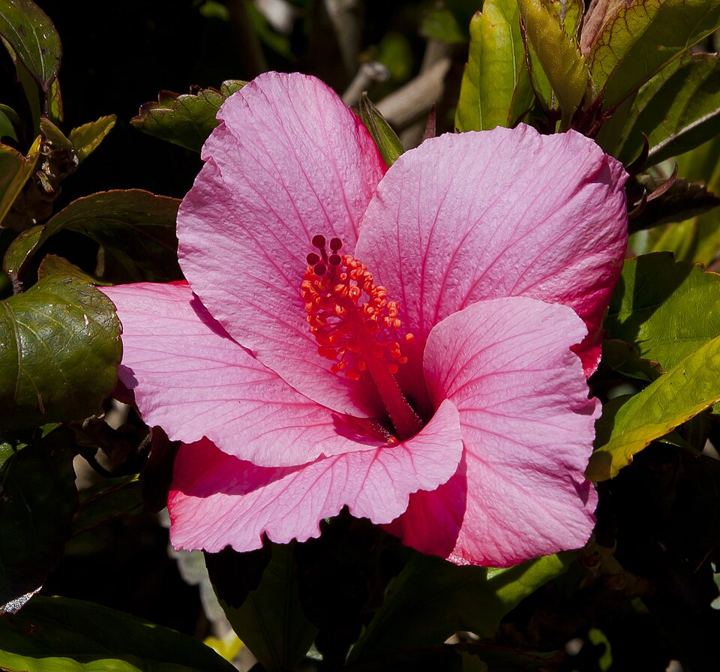 HibiscusHibiscus rosa-sinensis
Hardy to 2 °C
Light: sun. Watering: medium. Soil: fertile.
Grows in: North coast
With watering: South coast · South, 300–1000 m
Photo: Diego Delso, CC BY-SA 3.0
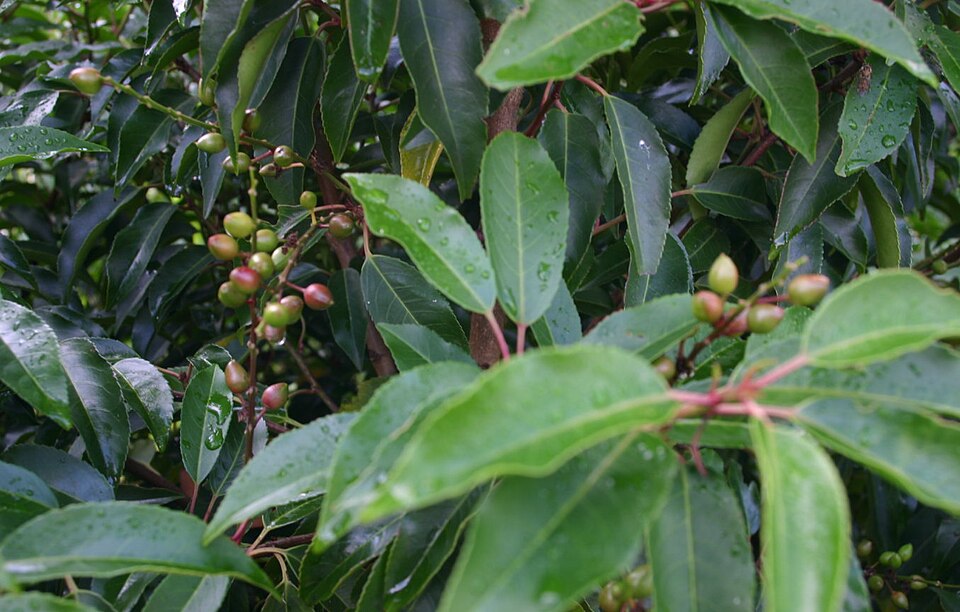 Hija (Portugal laurel)Prunus lusitanica subsp. hixa
Typical of the dampest, shadiest parts of the laurel forest.
Grows in: North, 300–1000 m · Above 1000 m
Photo: Sten Porse, CC BY-SA 3.0
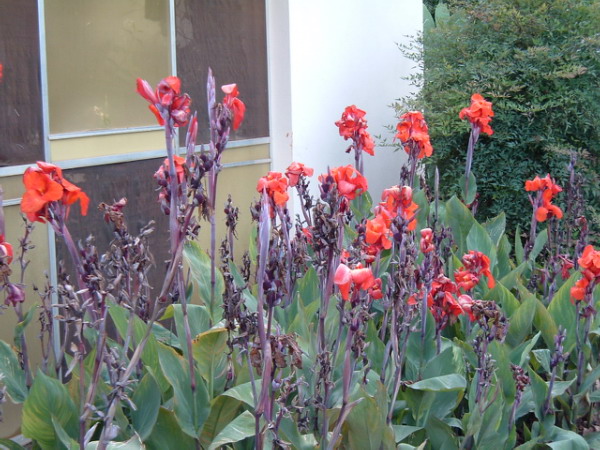 Indian shot (canna)Canna indica
Prefers soil rich in organic matter and well watered. Sun or partial shade, warm and sheltered. Frost tender.
Grows in: South coast · North coast · South, 300–1000 m · North, 300–1000 m
Photo: El Denis Conrado, en Universidade Federal de Lavras, Brazilo., CC BY-SA 3.0
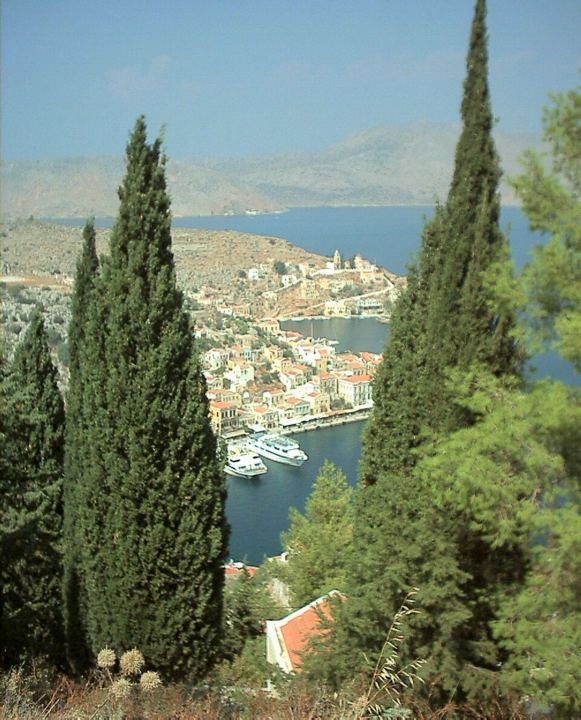 Italian cypressCupressus sempervirens
Needs a mild, temperate climate without hard frost. Withstands drought very well.
Grows in: South coast · North coast · South, 300–1000 m · North, 300–1000 m · Above 1000 m
Photo: Wojsyl, CC BY-SA 3.0
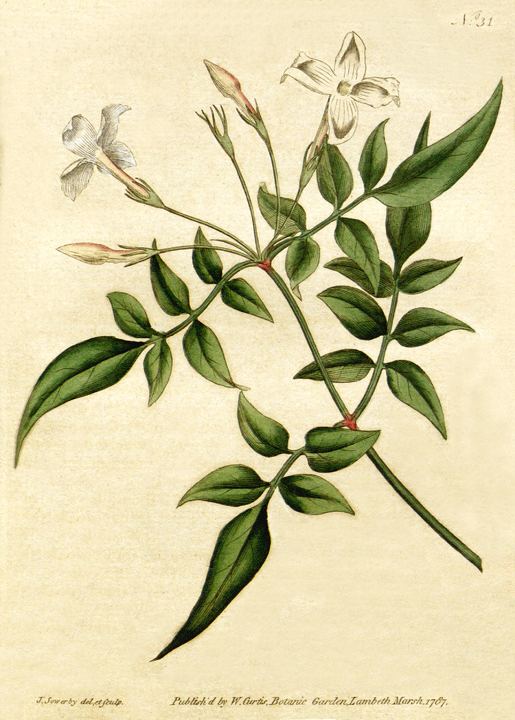 JasmineJasminum officinale
Hardy to -8 °C
Light: sun / partial shade. Watering: medium. Soil: any.
With watering: North coast · North, 300–1000 m · South, 300–1000 m
Photo: Botanical Magazine, Public domain
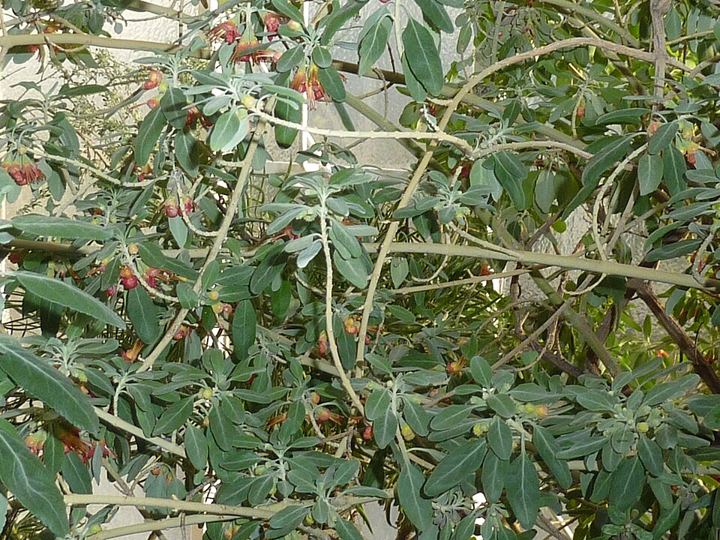 Jocama (Teucrium heterophyllum)Teucrium heterophyllum
A drought-tolerant shrub of dry sunny slopes in the low and middle zones.
Grows in: South coast · North coast · South, 300–1000 m
Photo: James Steakley, CC BY-SA 3.0
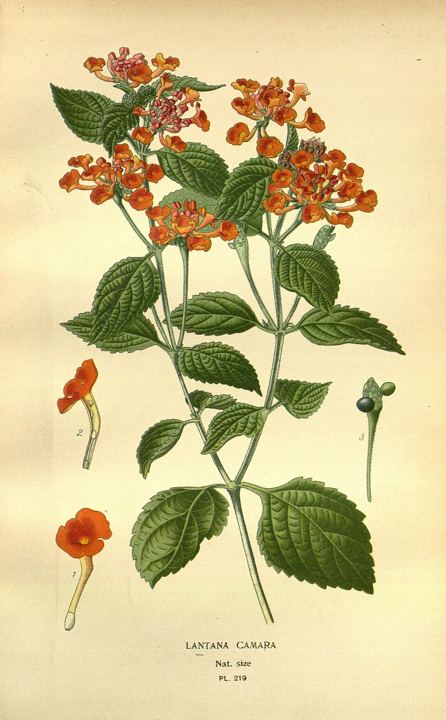 LantanaLantana camara
Hardy to 0 °C
Light: sun. Watering: low. Soil: any.
Grows in: South coast · North coast
With watering: South, 300–1000 m
Photo: Bois, D.; Frederick Warne (Firm); Herincq, B.; Step, Edward; Watson, William, Public domain
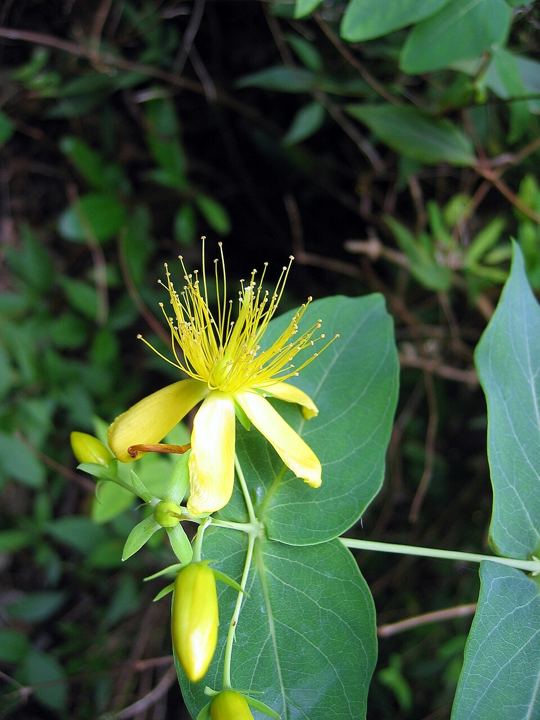 Large-leaved St John's wortHypericum grandifolium
Common in the humid zones of the islands, mainly in laurel forest and mixed pine forest.
Grows in: North, 300–1000 m · Above 1000 m
Photo: Tigerente, CC BY-SA 3.0
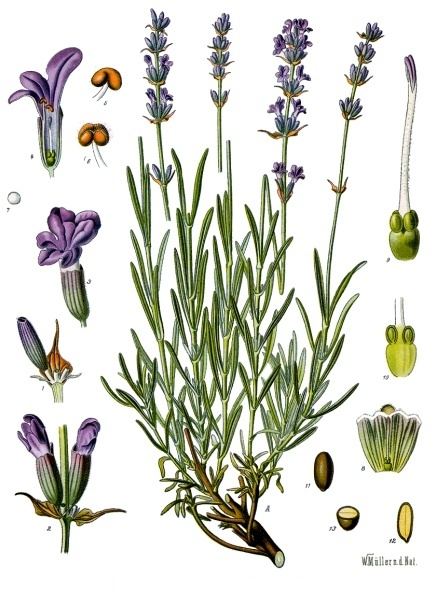 LavenderLavandula angustifolia
Hardy to -15 °C
Light: sun. Watering: low. Soil: poor, well drained.
Grows in: South, 300–1000 m · Above 1000 m
Photo: Franz Eugen Köhler, Köhler's Medizinal-Pflanzen, Public domain
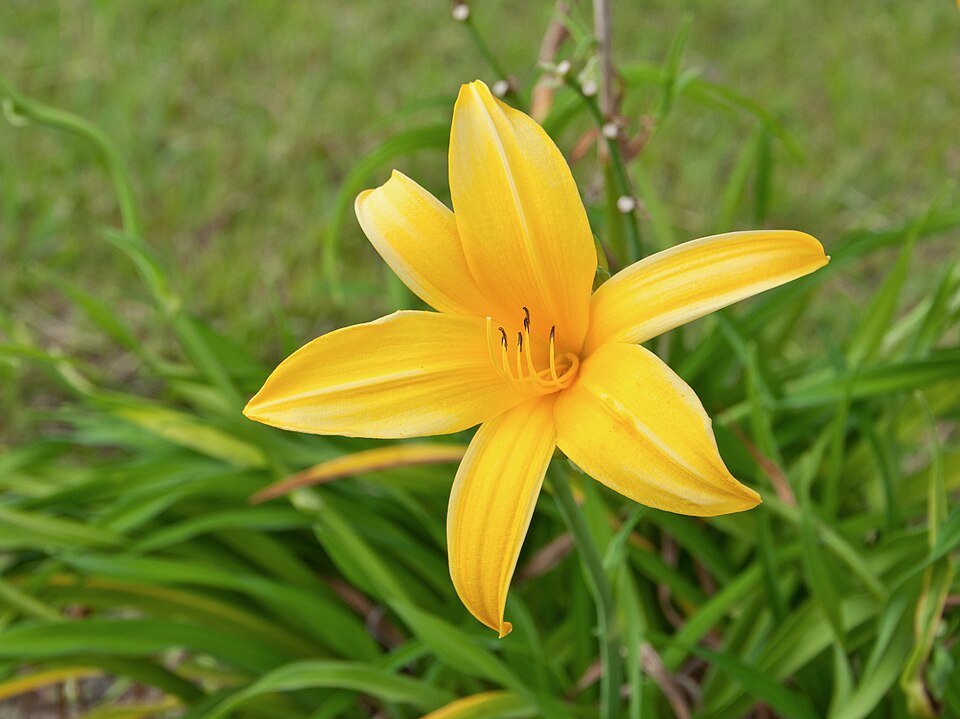 Lemon daylilyHemerocallis lilioasphodelus
Temperate climates. Full sun or partial shade, never arid, very exposed sites. Very frost hardy. Grows in any soil that stays fairly moist, except poorly drained clay.
Grows in: South coast · North coast · South, 300–1000 m · North, 300–1000 m · Above 1000 m
Photo: Paolo Costa Baldi, CC BY-SA 3.0
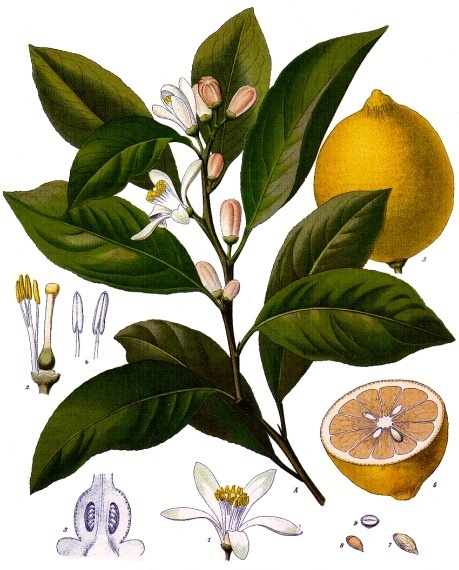 Lemon treeCitrus limon
Hardy to -2 °C
Light: sun. Watering: medium. Soil: fertile.
With watering: North coast · South, 300–1000 m · South coast · North, 300–1000 m
Photo: Franz Eugen Köhler, Köhler's Medizinal-Pflanzen, Public domain
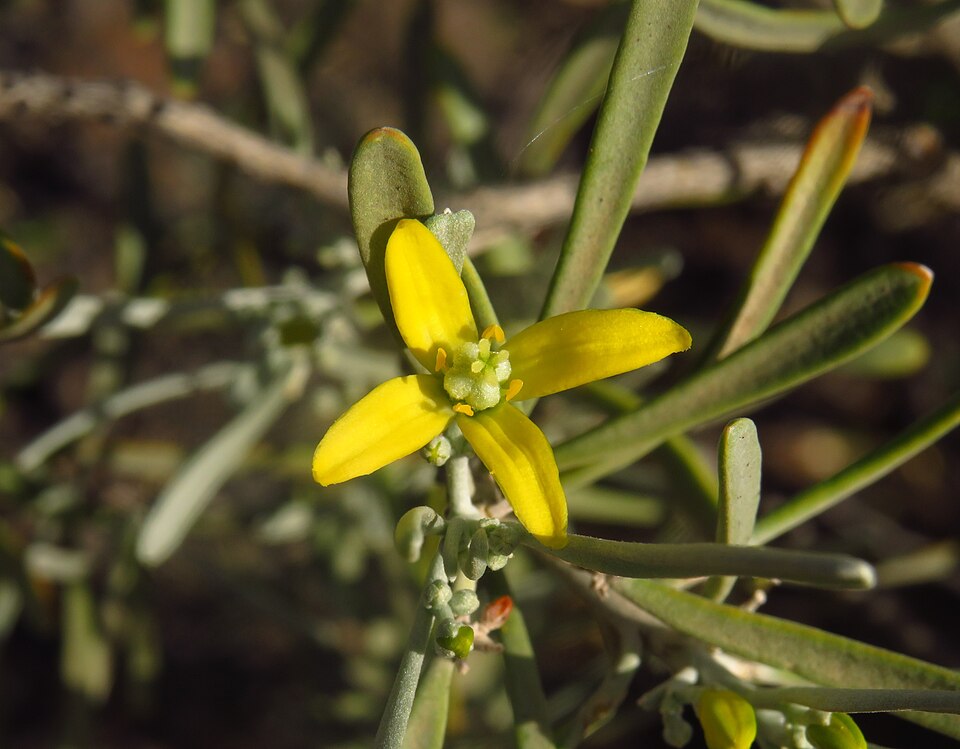 Leña buena (Neochamaelea)Neochamaelea pulverulenta
A species of spurge scrub and coastal shrubland below 500 m, sometimes up to 800 m. Likes dry, warm conditions, little water and free-draining soil such as lava fields. S…
Photo: Balles2601 (iNaturalist profile: Balles2601), CC BY-SA 4.0
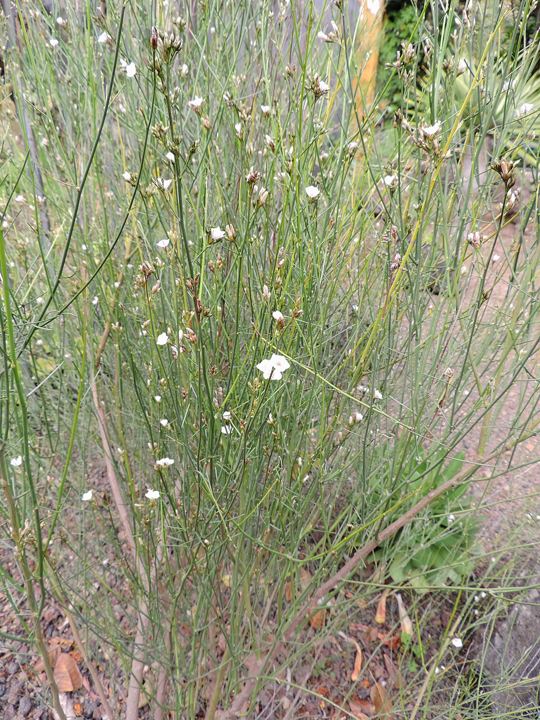 Leñanoel (Convolvulus scoparius)Convolvulus scoparius
Grows mainly in the spurge scrub zone, especially on the southern slopes of the islands, in the driest and warmest low belts.
Photo: Krzysztof Ziarnek, Kenraiz, CC BY-SA 3.0
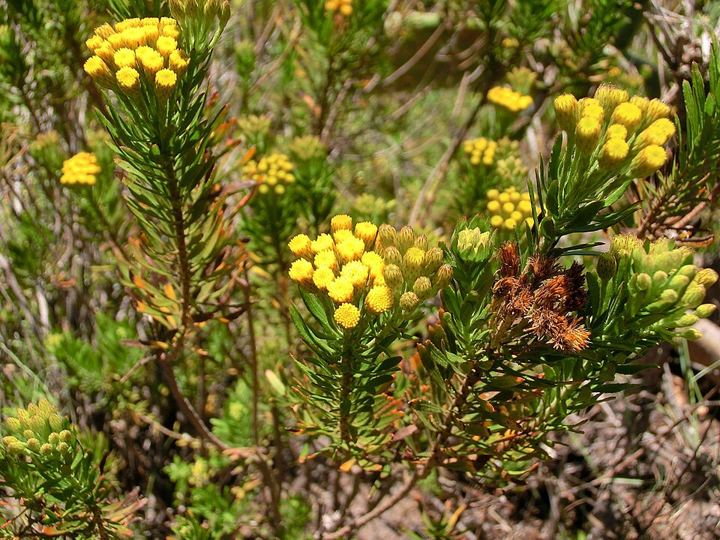 Mamita (Allagopappus)Allagopappus dichotomus
A drought-loving species of rocky slopes, cliffs and lava fields from sea level to 600 m.
Grows in: South coast · North coast · South, 300–1000 m
Photo: Gabriele Kothe-Heinrich, CC BY-SA 3.0
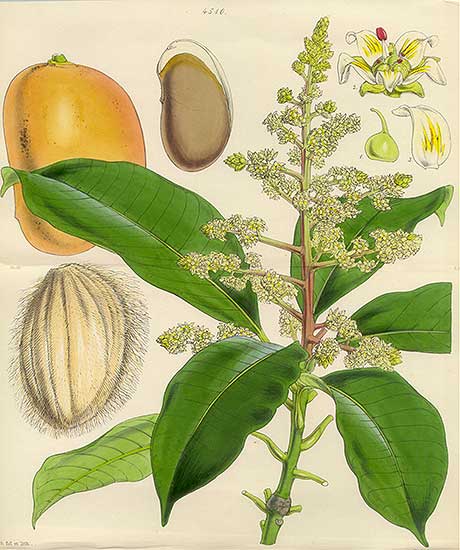 MangoMangifera indica
Hardy to 2 °C
Light: sun. Watering: medium. Soil: deep.
With watering: South coast · North coast
Photo: Walter Hood Fitch (1817-1892) del. et lith. Description by John Smith (1798 - 1888), Public domain
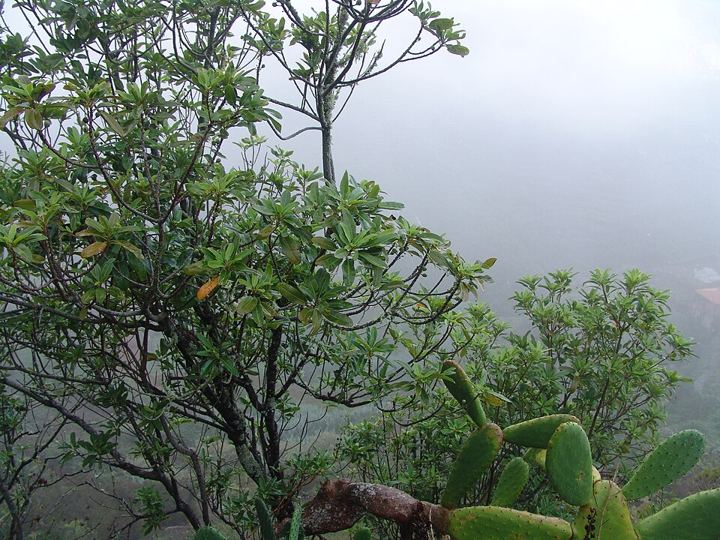 Marmulán (Sideroxylon)Sideroxylon canariensis
An uncommon species scattered on cliffs and ravine slopes of the middle zone, in thermophilous woodland and dry laurel forest.
Grows in: South coast · North coast · South, 300–1000 m · North, 300–1000 m
Photo: Damián Esquivel Díaz, CC BY-SA 4.0
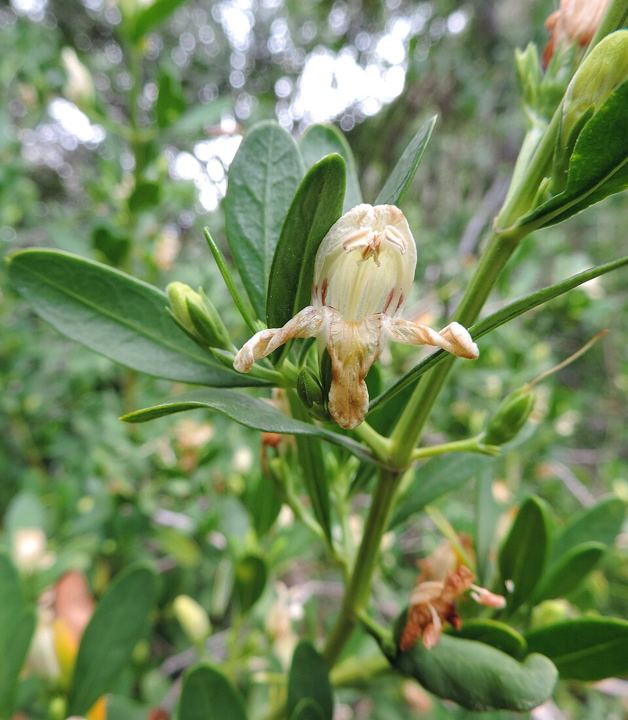 Mataprieta (Justicia hyssopifolia)Justicia hyssopifolia
Mainly the lowlands, in spurge scrub and remnants of thermophilous vegetation, from near sea level to about 500 m. Abundant in the Teno massif.
Photo: Krzysztof Ziarnek, Kenraiz, CC BY-SA 4.0
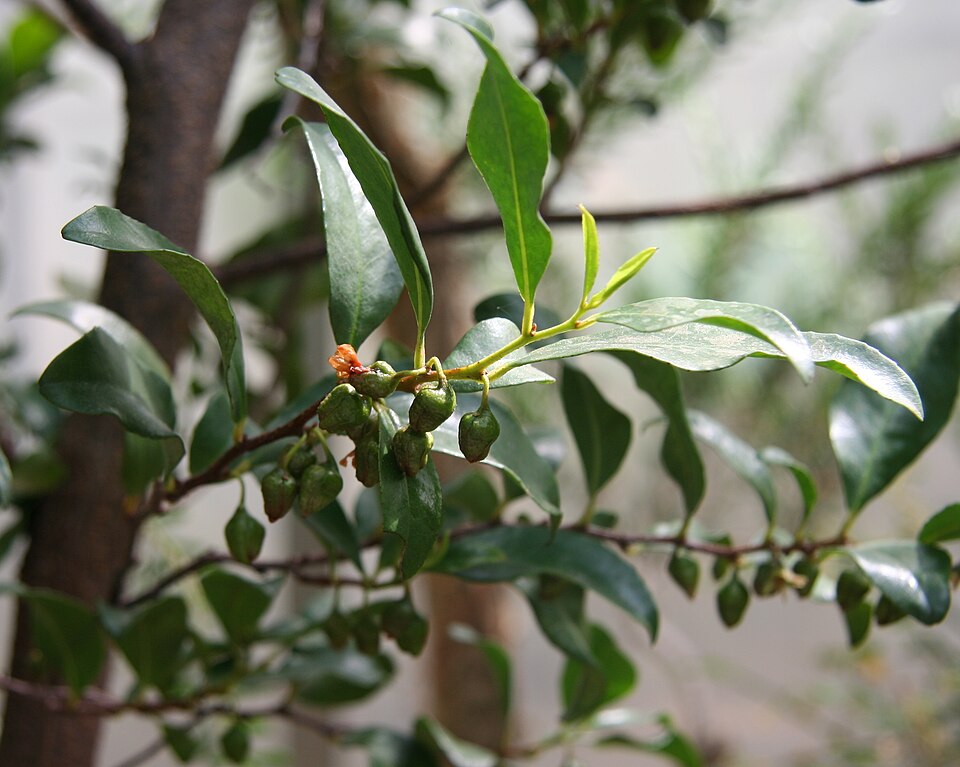 Mocán (Visnea mocanera)Visnea mocanera
Typical of the warmer laurel forest, readily spreading beyond it.
Grows in: North coast · North, 300–1000 m
Photo: Michael Wolf, CC BY-SA 3.0
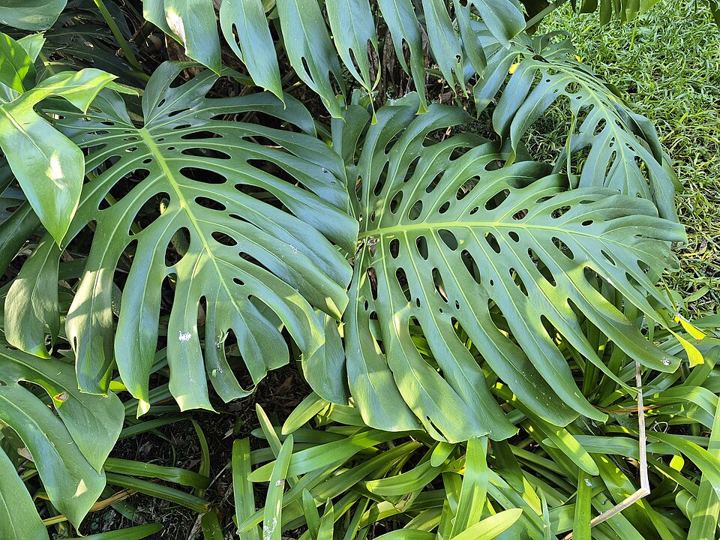 MonsteraMonstera deliciosa
Hardy to 2 °C
Light: shade / partial shade. Watering: medium. Soil: fertile.
With watering: North coast · North, 300–1000 m
Photo: O Tupinólogo, CC BY 4.0
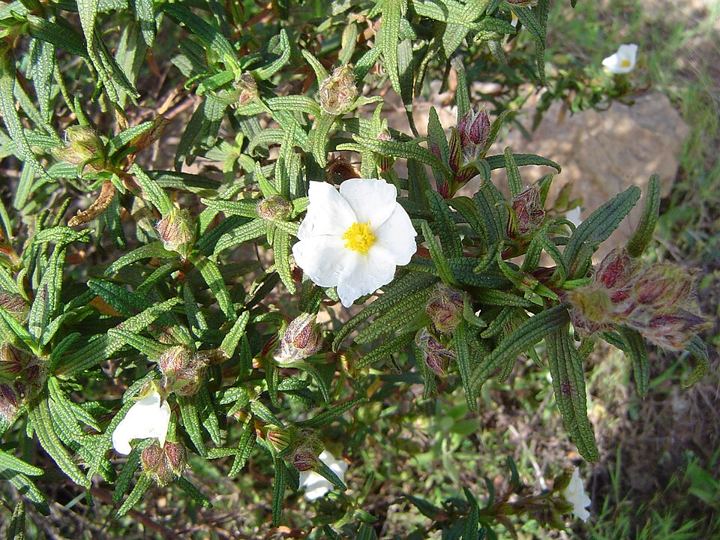 Montpellier rock roseCistus monspeliensis
A small shrub 60–150 cm tall, dense, hairy, aromatic and sticky, with narrow leaves and white flowers 2–3 cm across. Flowers March to June.
Grows in: South coast · North coast · South, 300–1000 m · North, 300–1000 m · Above 1000 m
Photo: User:Xemenendura, CC BY-SA 2.1 es
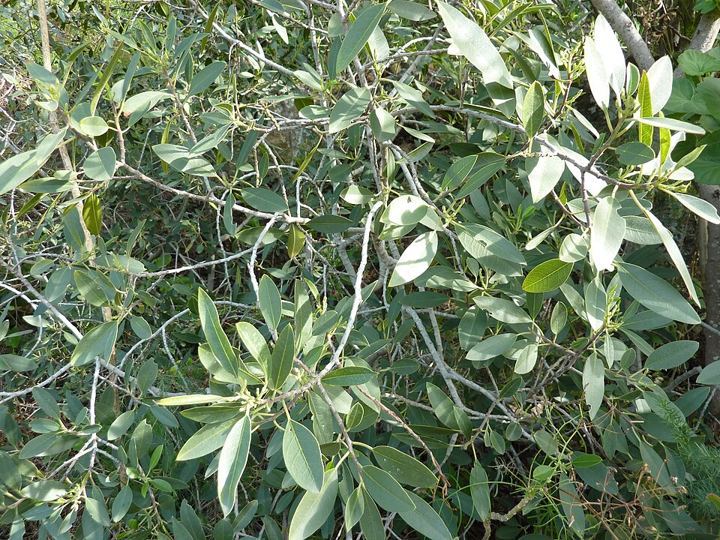 Moralito (Rhamnus integrifolia)Rhamnus integrifolia
A Tenerife endemic found both in the high mountains at 2,000–2,400 m and in mid-elevation ravines of the south-east and south-west, and in dry parts of the Teno massif fr…
Photo: James Steakley, CC BY-SA 3.0
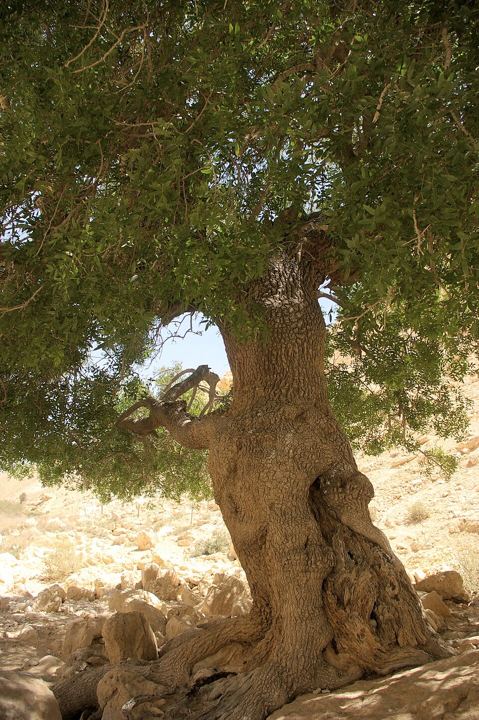 Mount Atlas mastic tree (almácigo)Pistacia atlantica
Typical of mid-elevation thermophilous woodland, 150–500 m.
Grows in: South coast · North coast · South, 300–1000 m · Above 1000 m
Photo: איתן פרמן, CC BY-SA 3.0
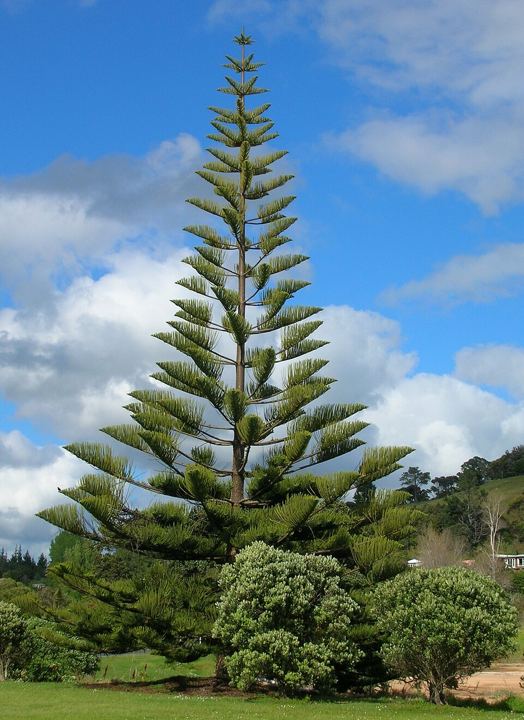 Norfolk Island pineAraucaria heterophylla
Needs a mild climate and dislikes frost. Grown on the coast, but does best at warm, humid mid elevations.
Grows in: South coast · North coast · South, 300–1000 m · North, 300–1000 m · Above 1000 m
Photo: brewbooks from near Seattle, USA, CC BY-SA 2.0
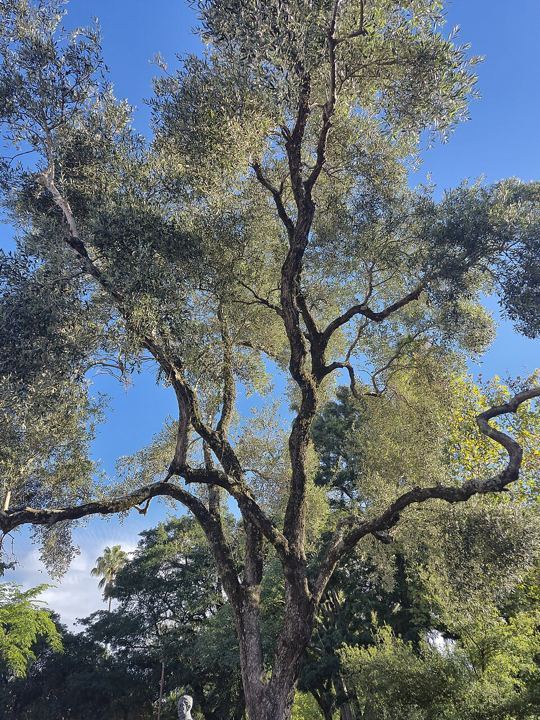 OliveOlea europaea
Hardy to -8 °C
Light: sun. Watering: low. Soil: any well-drained.
Grows in: South, 300–1000 m · North, 300–1000 m · South coast
Photo: Gabriel Collares, CC BY 4.0
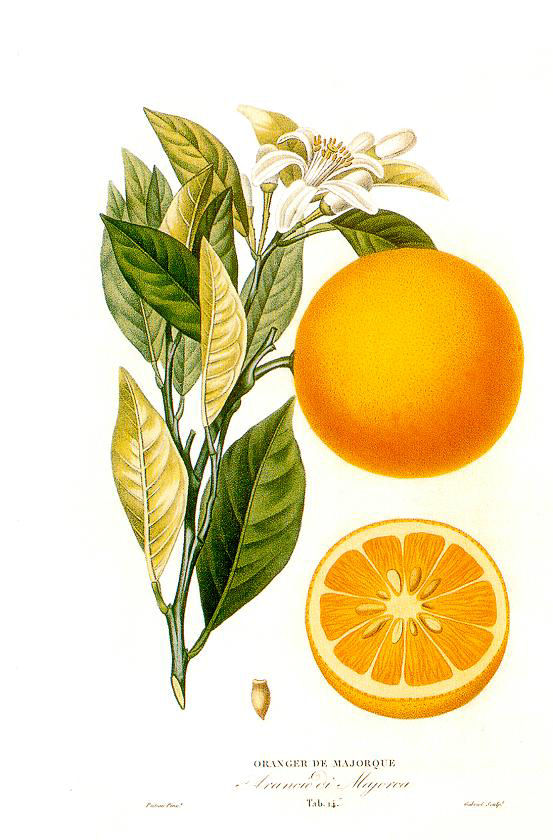 Orange treeCitrus sinensis
Hardy to -2 °C
Light: sun. Watering: medium. Soil: fertile.
With watering: North coast · South, 300–1000 m · South coast
Photo: Massimo L., Public domain
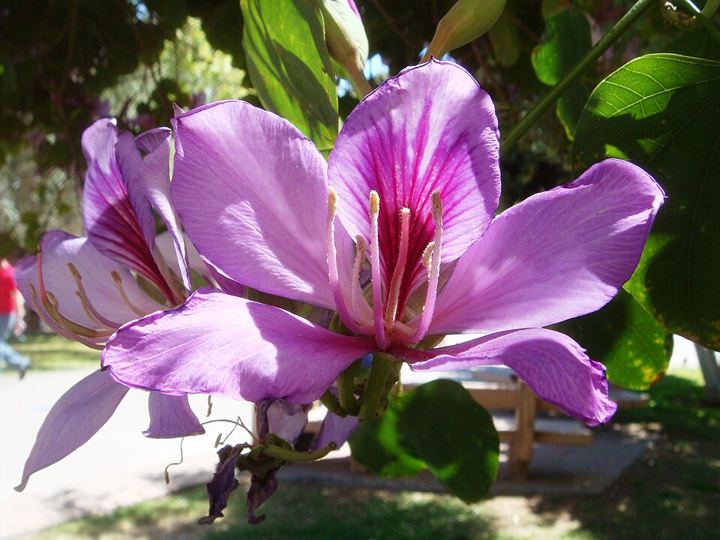 Orchid treeBauhinia variegata
A tropical-climate species. Full sun, tolerates light shade. Ordinary, well-drained soil.
Grows in: South coast · North coast · South, 300–1000 m · North, 300–1000 m
Photo: Miwasatoshi, CC BY-SA 4.0
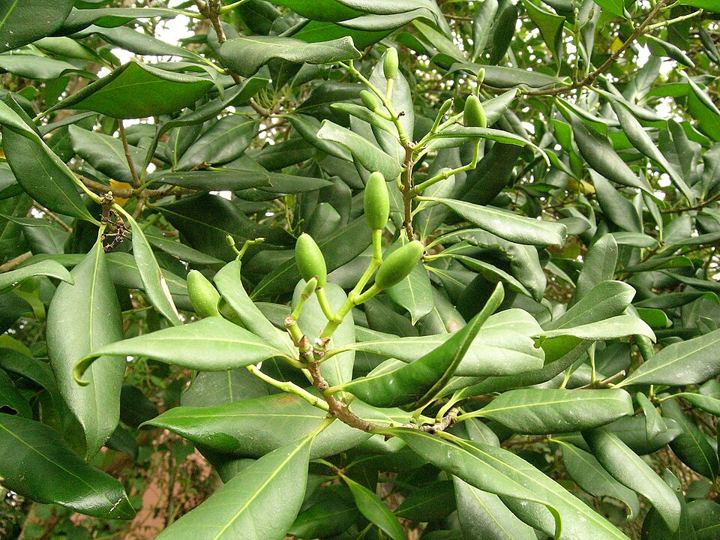 Palo blanco (Picconia excelsa)Picconia excelsa
Typical of the laurel forest, tolerant of varying humidity, at 600–1,000 m.
Grows in: North coast · North, 300–1000 m · Above 1000 m
Photo: Solanum, CC BY-SA 3.0
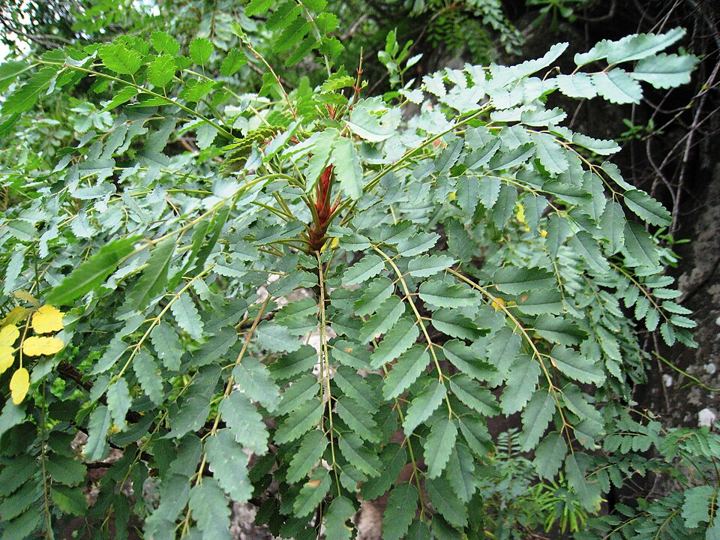 Palo de sangre (Marcetella)Marcetella moquiniana
Cliffs and rocky slopes in the thermophilous woodland belt, 300–600 m.
Grows in: South coast · North coast · South, 300–1000 m · Above 1000 m
Photo: Dryas, CC BY-SA 3.0
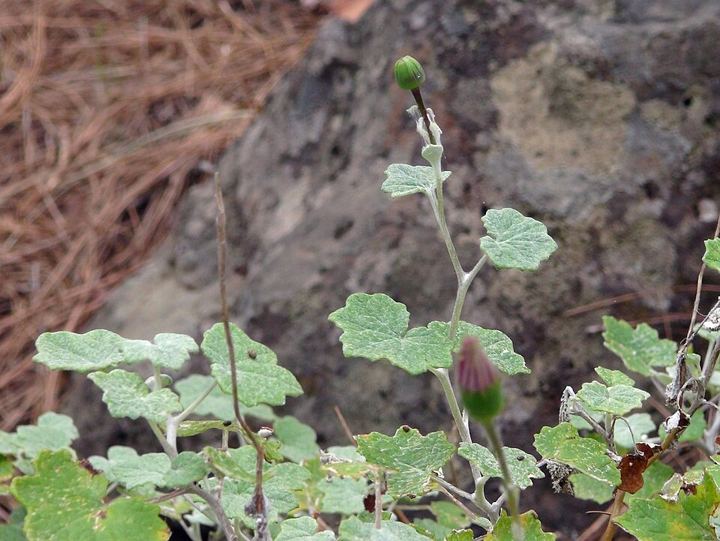 Palomera (Pericallis lanata)Pericallis lanata
Rocky slopes, cliffs and crags facing north across the south and west of the island, from 200 to over 1,000 m.
Grows in: South coast · North coast · South, 300–1000 m · North, 300–1000 m · Above 1000 m
Photo: Gabriele Kothe-Heinrich, CC BY-SA 3.0
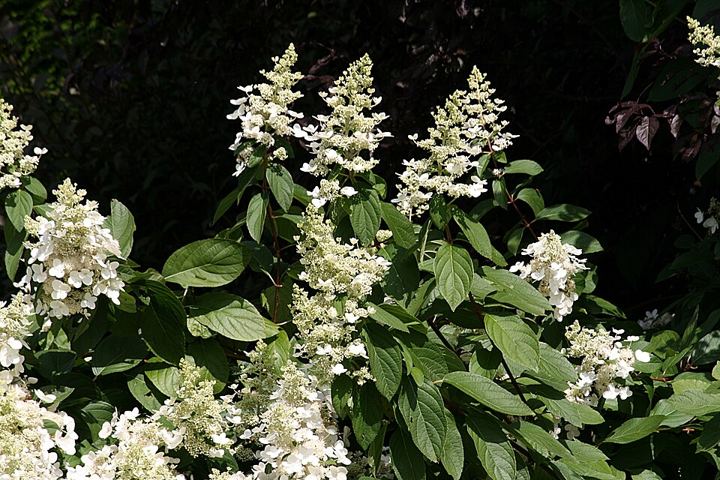 Panicle hydrangeaHydrangea paniculata
Hardy to -25 °C
Light: sun / partial shade. Watering: medium. Soil: neutral or acid.
With watering: North, 300–1000 m · Above 1000 m
Photo: Hedwig Storch, CC BY-SA 3.0
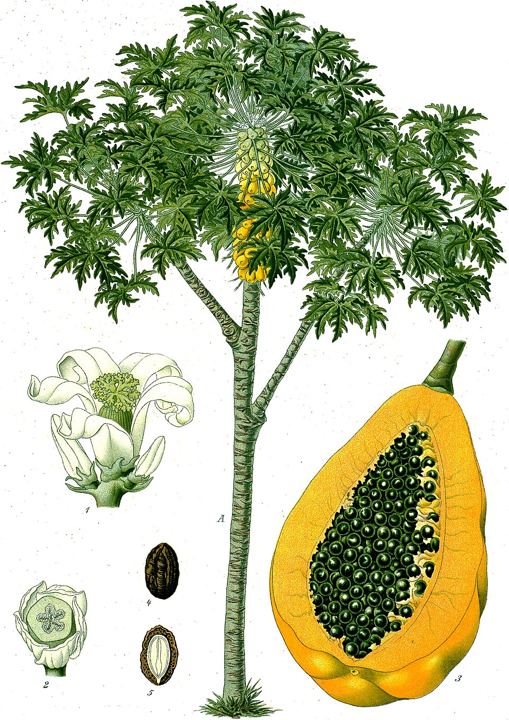 PapayaCarica papaya
Hardy to 5 °C
Light: sun. Watering: high. Soil: fertile.
With watering: North coast · South coast
Photo: Franz Eugen Köhler, Köhler's Medizinal-Pflanzen, Public domain
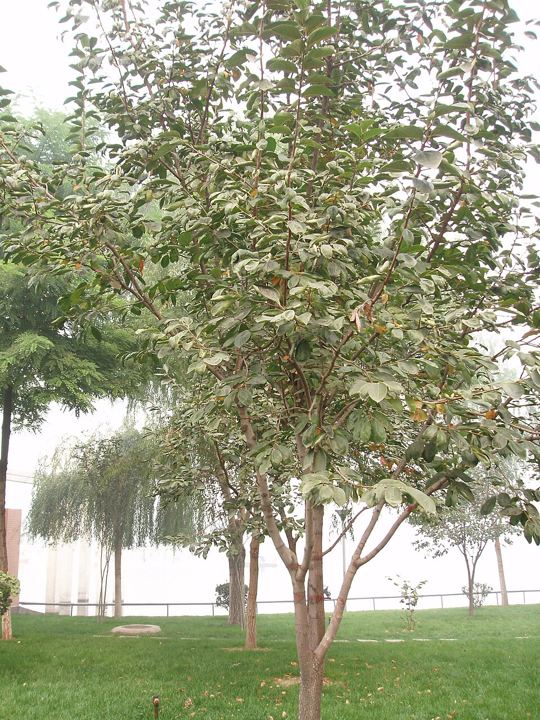 PersimmonDiospyros kaki
Hardy to -15 °C
Light: sun. Watering: medium. Soil: any.
Grows in: North, 300–1000 m
With watering: South, 300–1000 m · Above 1000 m
Photo: Photo taken by Fanghong, CC BY-SA 3.0
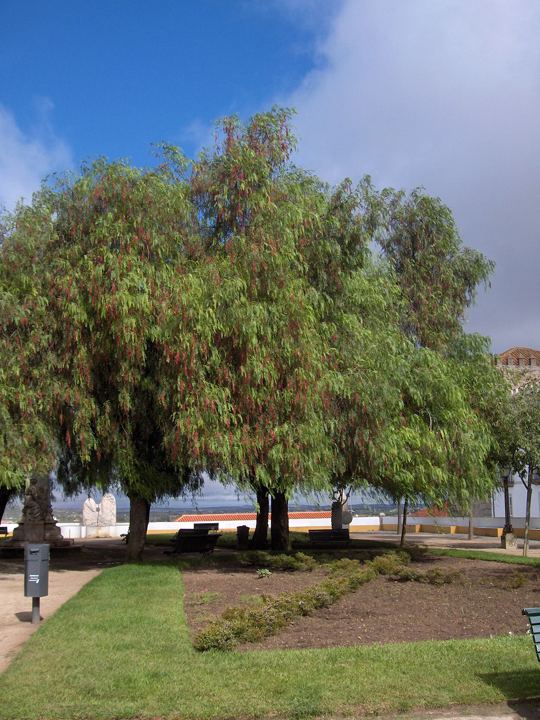 Peruvian pepper treeSchinus molle
Grows in a wide range of climates, from subtropical to temperate. Suffers below 5 °C. Sun or partial shade; tolerates dry weather.
Grows in: South coast · North coast · South, 300–1000 m · North, 300–1000 m
Photo: Georges Jansoone, CC BY 2.5
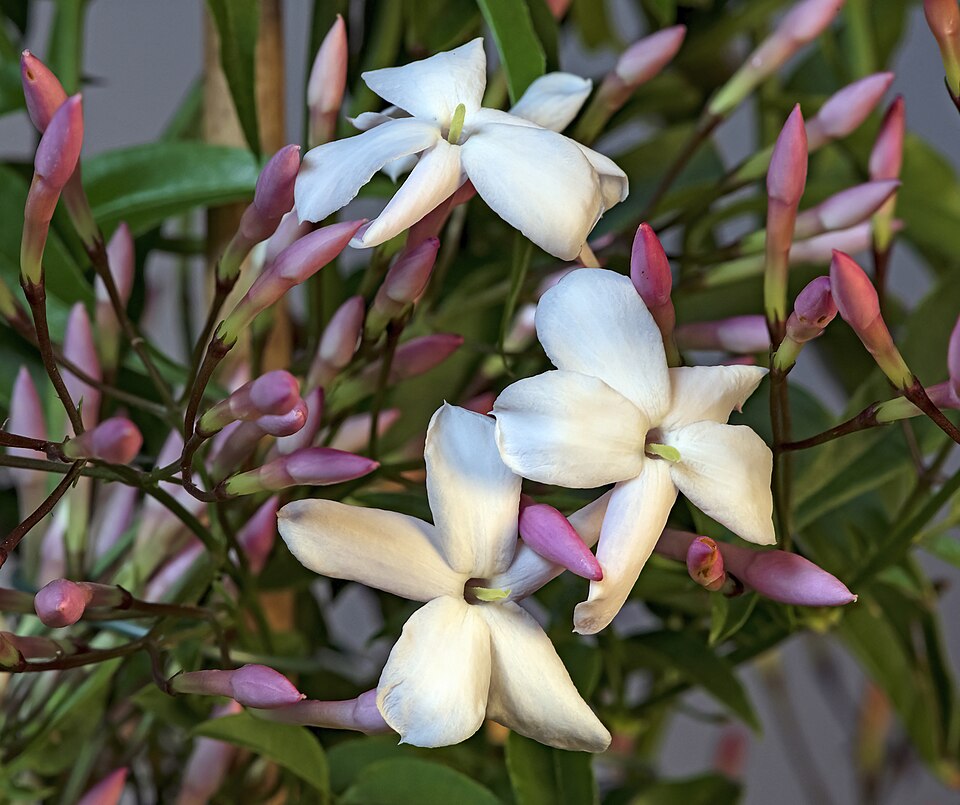 Pink jasmineJasminum polyanthum
Native to the mountains of southern and central China. Naturalised in New Zealand and Australia, where it tends to become invasive.
Photo: Didier Descouens, CC BY-SA 4.0
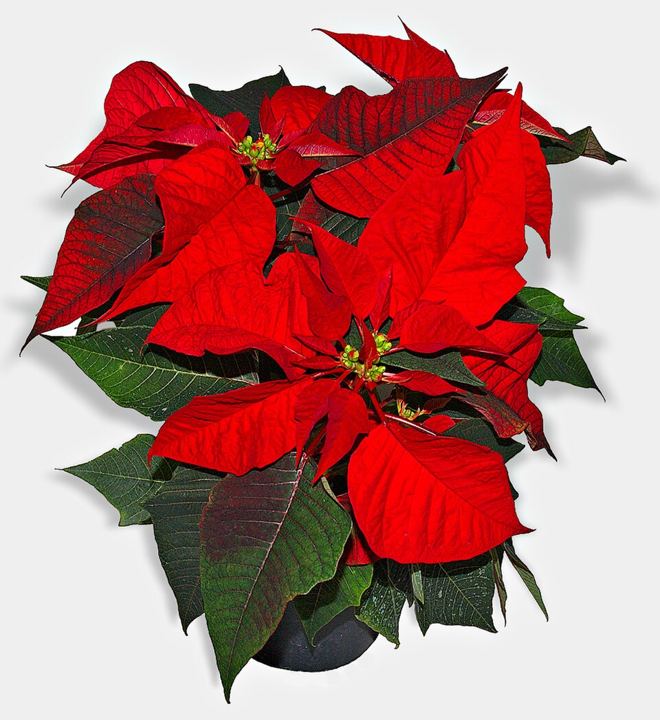 PoinsettiaEuphorbia pulcherrima
Warm climate, tolerates dry spells. Needs strong light for colour but not direct sun. Accepts most soils, preferably fertile and well drained.
Grows in: South coast · North coast · South, 300–1000 m · North, 300–1000 m
Photo: André Karwath aka Aka, CC BY-SA 2.5
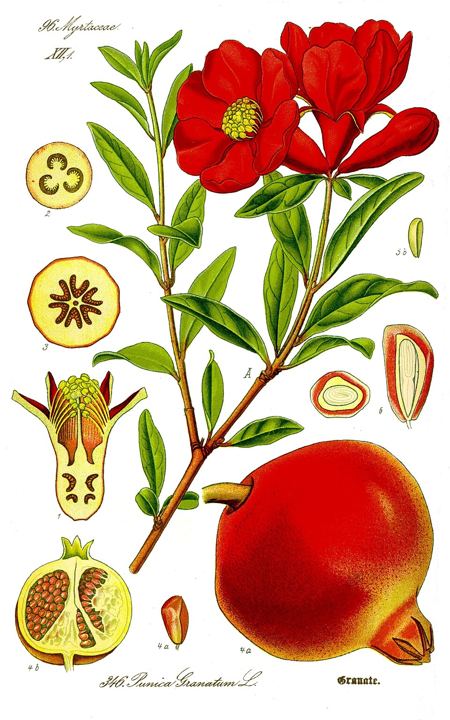 PomegranatePunica granatum
Needs full sun or a sheltered, very bright spot in warm-temperate climates. Permeable, fertile, deep, well-drained soil, moderately moist to dry.
Grows in: South coast · North coast · South, 300–1000 m · North, 300–1000 m
Photo: Wikimedia Commons, Public domain
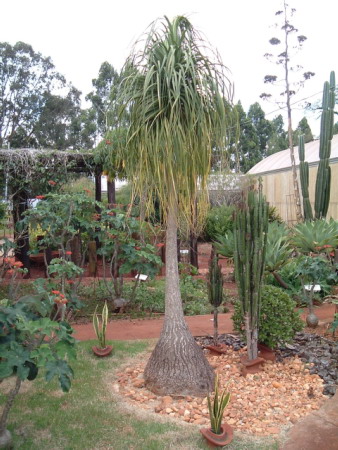 Ponytail palmNolina recurvata
A species of arid zones that tolerates drought. Sun or partial shade. Prefers fertile, well-drained soil.
Grows in: South coast · North coast · South, 300–1000 m · North, 300–1000 m
Photo: Wikimedia Commons, CC BY-SA 3.0
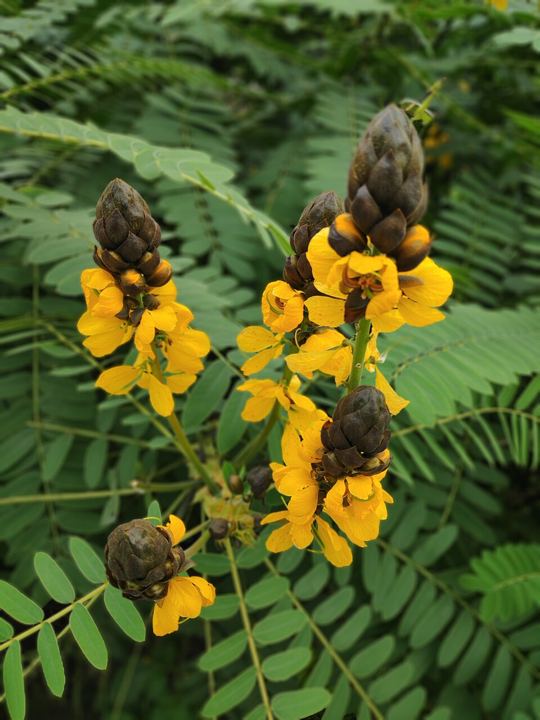 Popcorn sennaCassia didymobotrya
A tropical and subtropical species. Undemanding about soil, prefers good drainage in dry, sunny spots.
Grows in: South coast · North coast · South, 300–1000 m · North, 300–1000 m
Photo: Gaurav_Dhwaj_Khadka, CC BY-SA 4.0
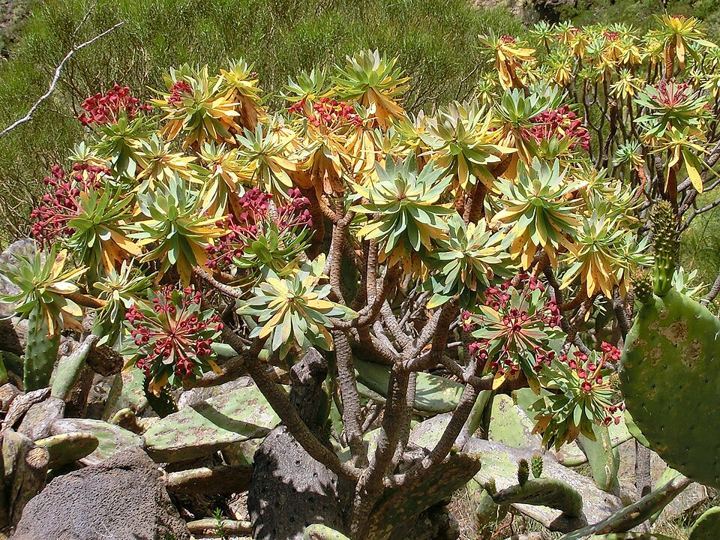 Purple spurge (Euphorbia atropurpurea)Euphorbia atropurpurea
Dry sunny rocky slopes, ledges and foothills in the west of the island and the Güímar valley, 200–1,200 m.
Grows in: South coast · North coast · South, 300–1000 m · Above 1000 m
Photo: Gabriele Kothe-Heinrich, CC BY-SA 3.0
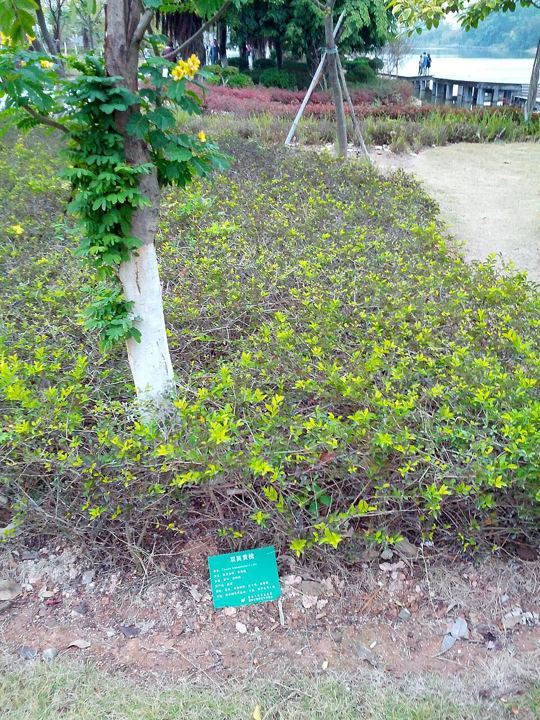 Rambling sennaSenna bicapsularis
An introduced species, naturalised in places. Grows on disturbed ground, usually roadsides and pastures at low elevations.
Photo: BreakdownDiode, CC BY-SA 3.0
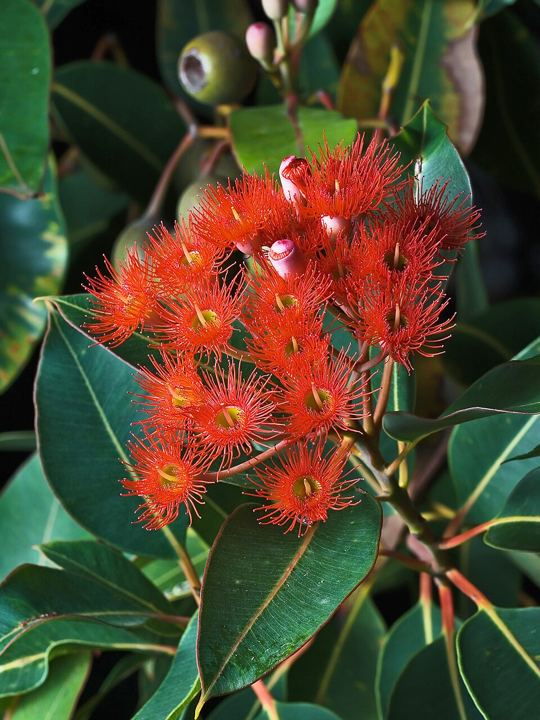 Red-flowering gumEucalyptus ficifolia
Needs a sunny position. Resistant to cold, heat and drought. Prefers heavy soils and does less well in sandy ones.
Grows in: South coast · North coast · South, 300–1000 m · North, 300–1000 m
Photo: JJ Harrison (https://www.jjharrison.com.au/), CC BY-SA 3.0
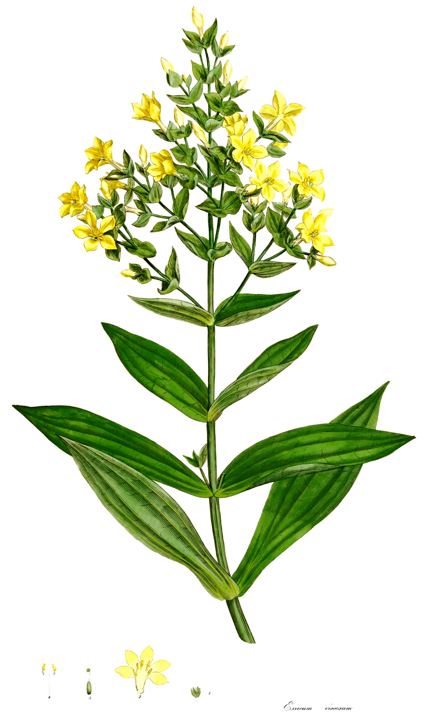 Reina del monte (Ixanthus)Ixanthus viscosus
Laurel forest and tree-heath woodland. Favours shade and moisture: under the canopy, at the edge of clearings, where trees break the wind.
Photo: James Edward Smith and James Sowerby, Public domain
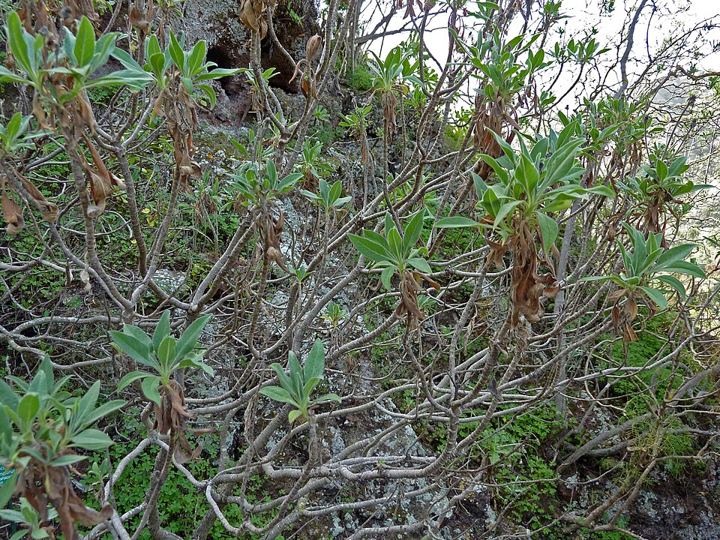 Rosalillo (Pterocephalus dumetorum)Pterocephalus dumetorum
Scrub near dry laurel forest, pine forest and thermophilous strips, on slopes and in ravines over a wide range of altitudes.
Photo: James Steakley, CC BY-SA 3.0
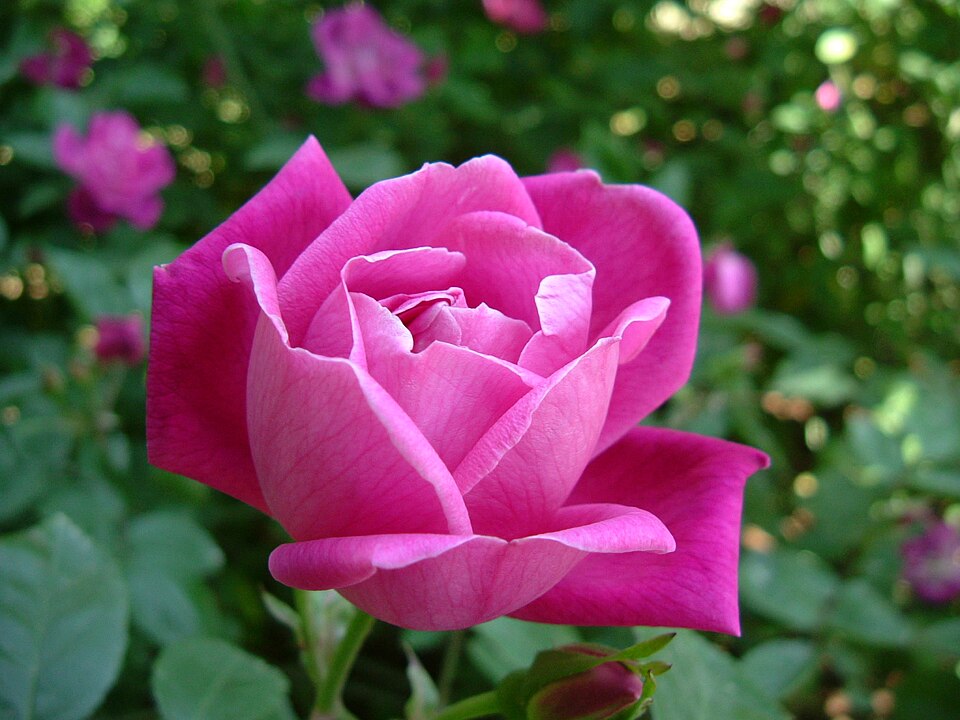 RoseRosa chinensis
Hardy to -10 °C
Light: sun. Watering: medium. Soil: fertile.
With watering: North, 300–1000 m · South, 300–1000 m · North coast
Photo: Sakurai Midori, CC BY-SA 3.0
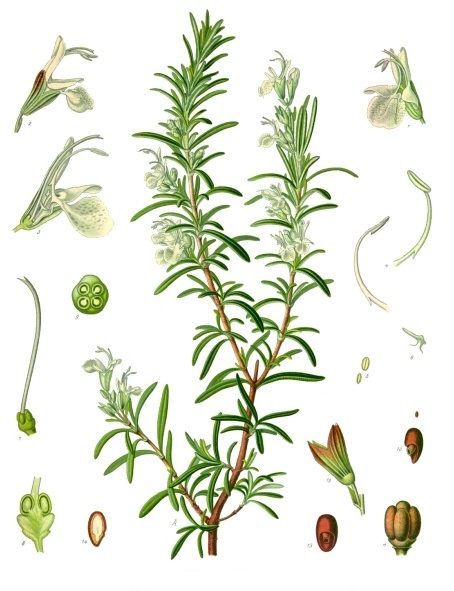 RosemarySalvia rosmarinus
Hardy to -10 °C
Light: sun. Watering: very low. Soil: poor, well drained.
Grows in: South, 300–1000 m · South coast · North, 300–1000 m
Photo: Franz Eugen Köhler, Köhler's Medizinal-Pflanzen, Public domain
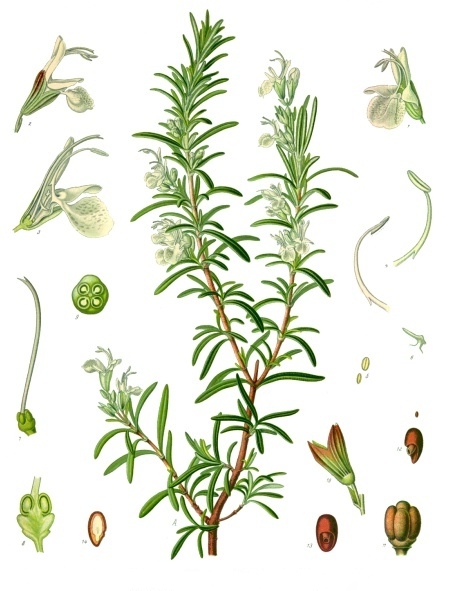 RosemaryRosmarinus officinalis
A Mediterranean species naturalised in the Canaries. Grows in any soil, best dry, sandy and permeable, and copes well with poor ground. From the coast to 1,500 m in dry s…
Photo: Franz Eugen Köhler, Köhler's Medizinal-Pflanzen, Public domain
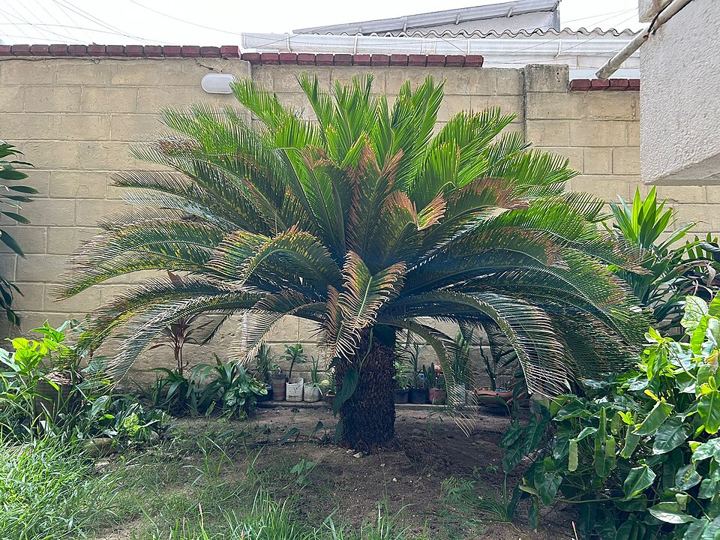 Sago palmCycas revoluta
Subtropical climate with some cool-humid influence. Can live in full sun but does best in partial shade and humid air at an average of 18–21 °C.
Grows in: South coast · North coast · South, 300–1000 m · North, 300–1000 m
Photo: Jdvillalobos, CC BY-SA 4.0
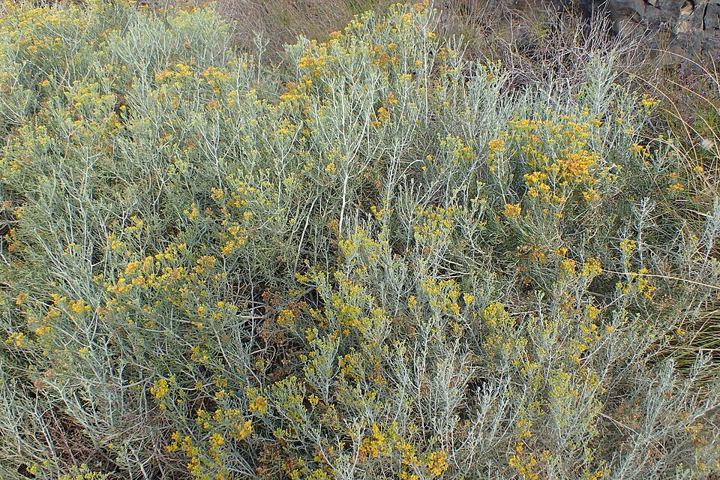 Salado (Schizogyne sericea)Schizogyne sericea
Drought- and salt-tolerant, very common in coastal scrub, dry sunny stony ground and lava fields.
Grows in: South coast · North coast
Photo: Krzysztof Ziarnek, Kenraiz, CC BY-SA 4.0
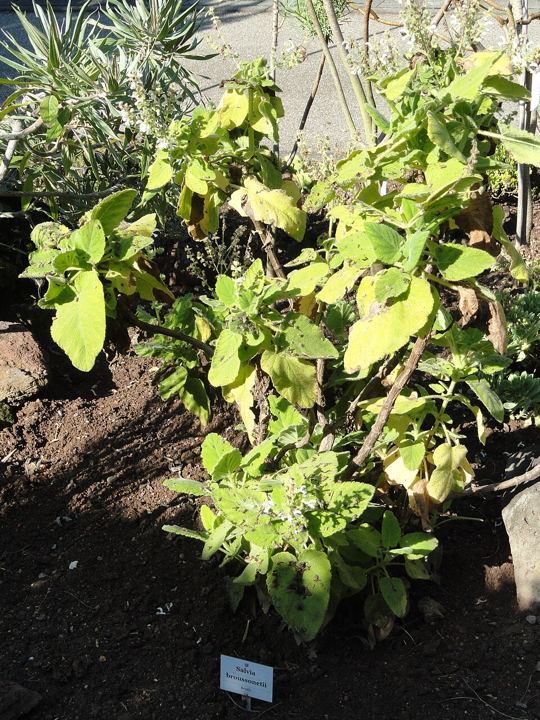 Salvia broussonetiiSalvia broussonetii
Cliffs and ravines of the Anaga and Teno massifs, dry sunny spots, 200–400 m.
Grows in: South coast · North coast
Photo: Daderot, CC0
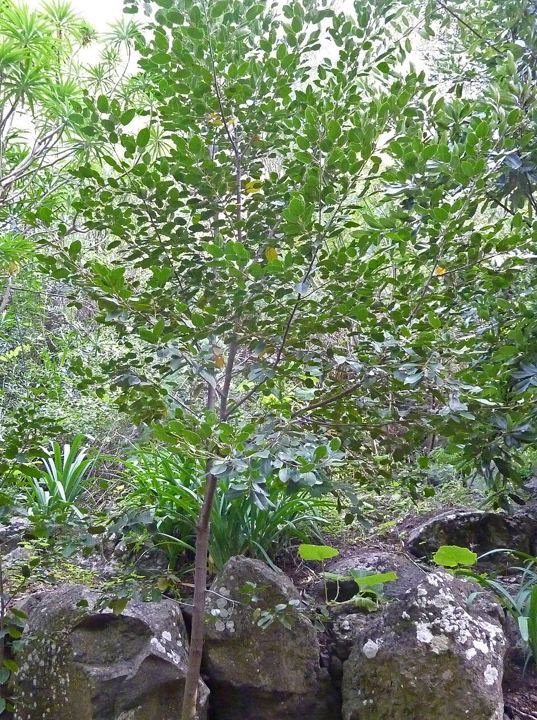 Sanguino (Rhamnus glandulosa)Rhamnus glandulosa
Typical of the laurel forest, in ravines and on shady slopes.
Grows in: North, 300–1000 m · Above 1000 m
Photo: James Steakley, CC BY-SA 3.0
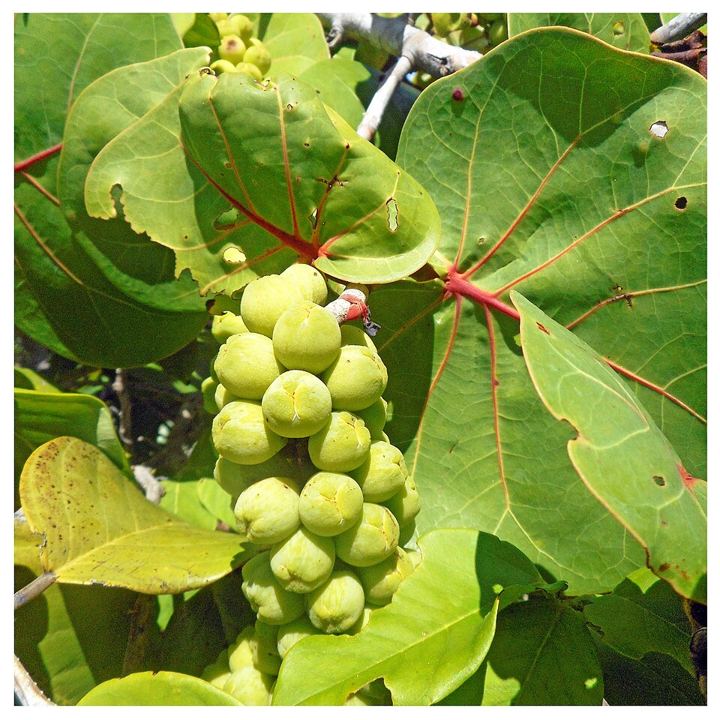 Sea grape (Coccoloba)Coccoloba uvifera
A species of sandy and rocky beaches in tropical and subtropical climates. Tolerates salt but can also grow on higher, cooler ground.
Grows in: South coast · North coast
Photo: Daniel Di Palma, CC BY-SA 4.0
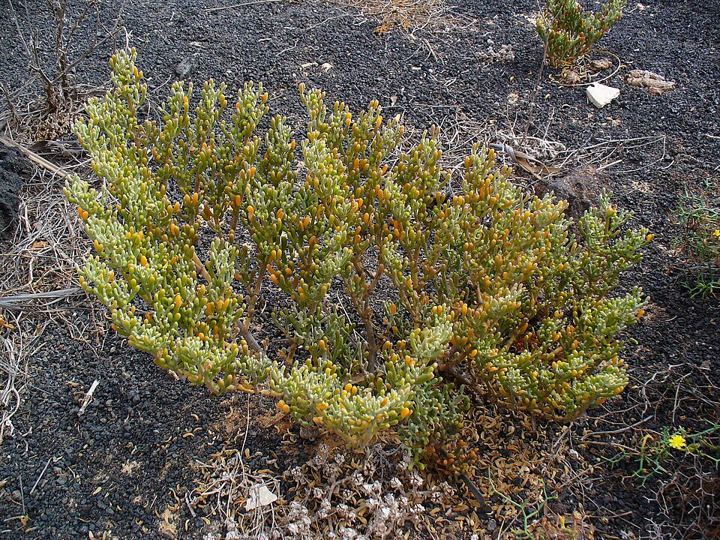 Sea grape (Zygophyllum fontanesii)Zygophyllum fontanesii
A coastal plant tolerant of salt and drought, strong sun and periodic flooding by sea water. Grows on rock and sand and helps hold small dunes.
Photo: H. Zell, CC BY-SA 3.0
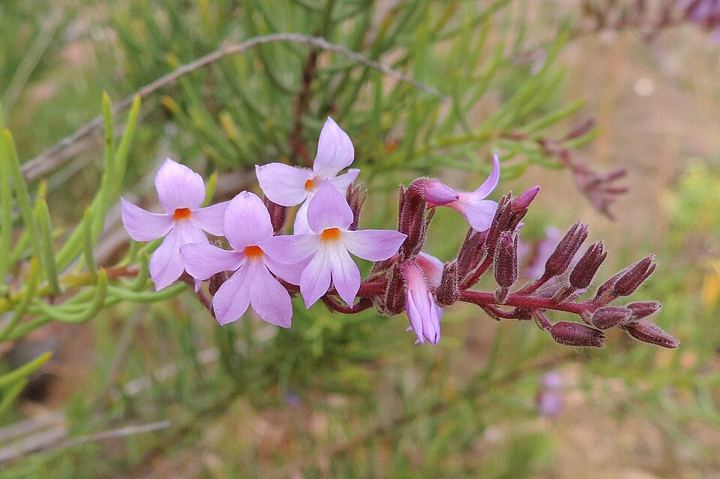 Sea rosemary (Campylanthus)Campylanthus salsoloides
A Canary endemic of spurge scrub and cliff vegetation in the low and middle zones, from near sea level to 600 m. Very common on recent lava fields.
Photo: Krzysztof Ziarnek, Kenraiz, CC BY-SA 4.0
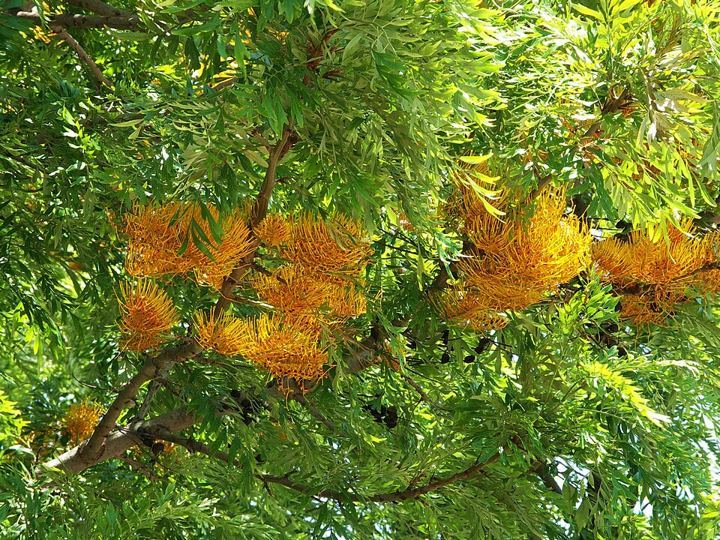 Silky oakGrevillea robusta
Prefers a warm climate in full sun or partial shade; flowers less without enough light. Tolerates most soils, the seaside, urban pollution, cold and drought.
Grows in: South coast · North coast · South, 300–1000 m · North, 300–1000 m · Above 1000 m
Photo: Alvesgaspar, CC BY 2.5
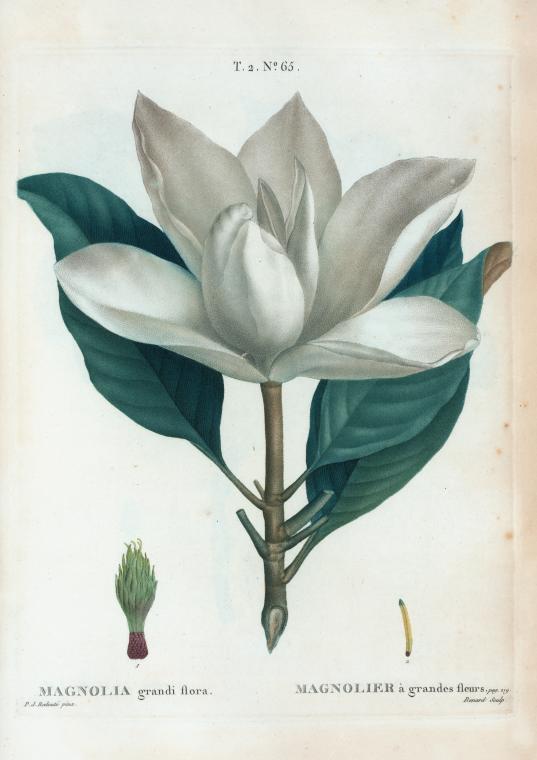 Southern magnoliaMagnolia grandiflora
Suffers in frost and does best in a mild, humid climate. The best specimens on the island are at mid elevations on the northern slope.
Grows in: South coast · North coast · South, 300–1000 m · North, 300–1000 m · Above 1000 m
Photo: Pierre-Joseph Redouté, Public domain
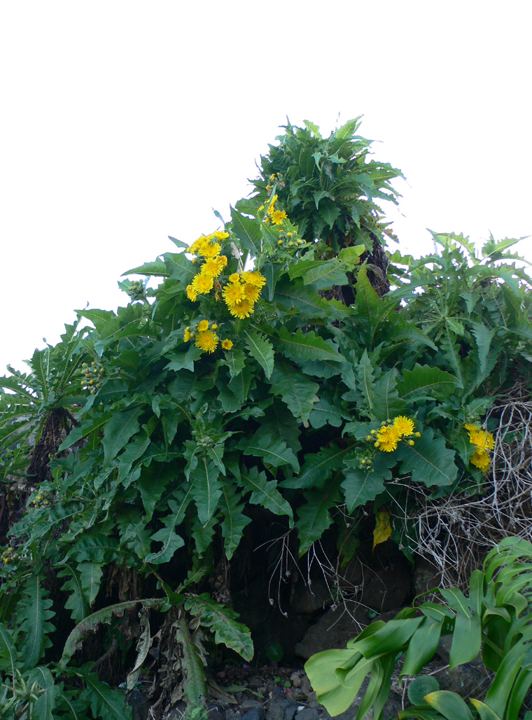 Sow-thistle (Sonchus congestus)Sonchus congestus
Cliffs, mainly in the forest zone; on Tenerife's northern slope found at 150–800 m.
Grows in: South coast · North coast · South, 300–1000 m · North, 300–1000 m
Photo: Nanosanchez, Public domain
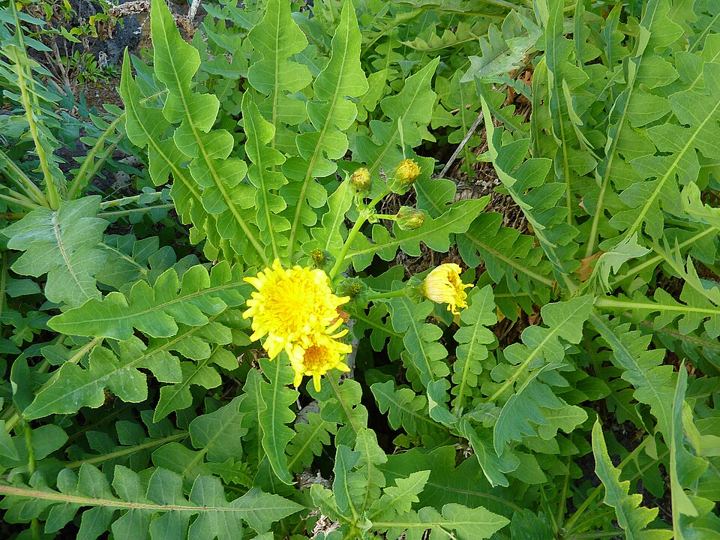 Sow-thistle (Sonchus radicatus)Sonchus radicatus
Typical of cliff communities on Tenerife's northern side, locally common up to 400 m.
Photo: James Steakley, CC BY-SA 3.0
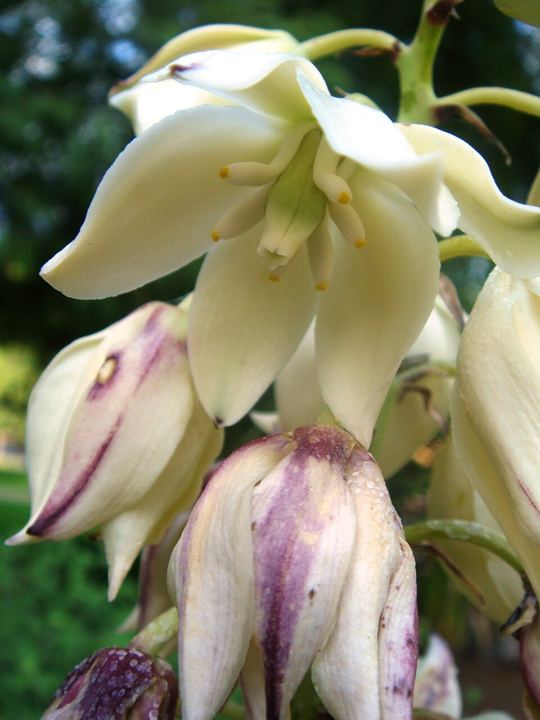 Spanish bayonet (yucca)Yucca aloifolia
A species of warm coastal areas. Prefers sun and adapts to almost any soil.
Grows in: South coast · North coast · South, 300–1000 m · North, 300–1000 m
Photo: Miwasatoshi, CC BY-SA 4.0
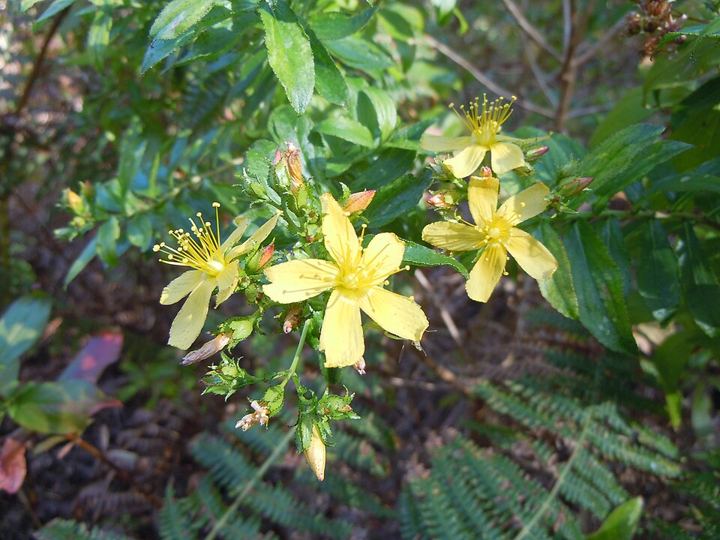 St John's wort (Hypericum glandulosum)Hypericum glandulosum
Very common at 500–1,500 m, mainly in sunny parts of laurel forest and tree-heath woodland, often on rocks and cliffs.
Photo: Patrice78500, CC BY-SA 4.0
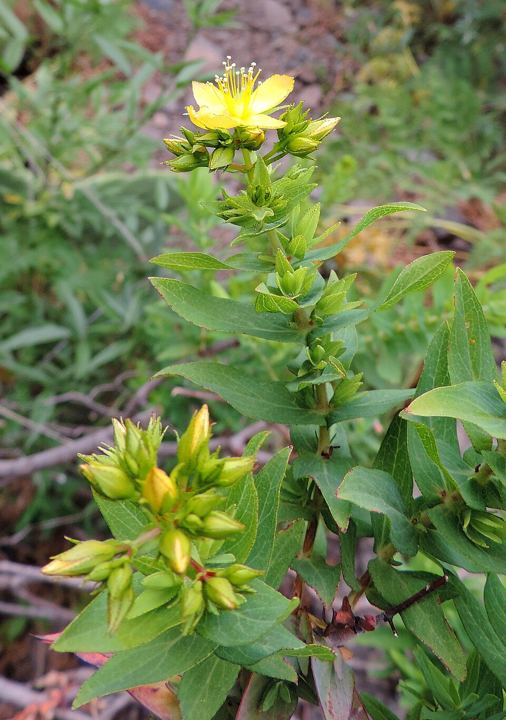 St John's wort (Hypericum reflexum)Hypericum reflexum
A cliff species at 150–1,700 m on rocky scarps of laurel and thermophilous forest, sometimes ravine edges in the spurge zone where there is moisture.
Photo: Krzysztof Ziarnek, Kenraiz, CC BY-SA 4.0
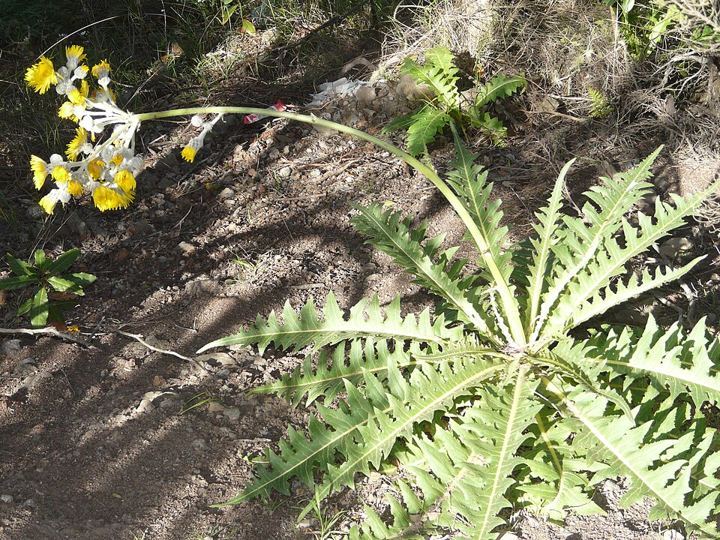 Stemless sow-thistleSonchus acaulis
Occurs in every vegetation belt, in cliff and scrub communities, especially in laurel and thermophilous forest. Common at mid elevations, on crags and even on house roofs…
Photo: Carlos munleo, CC BY-SA 3.0
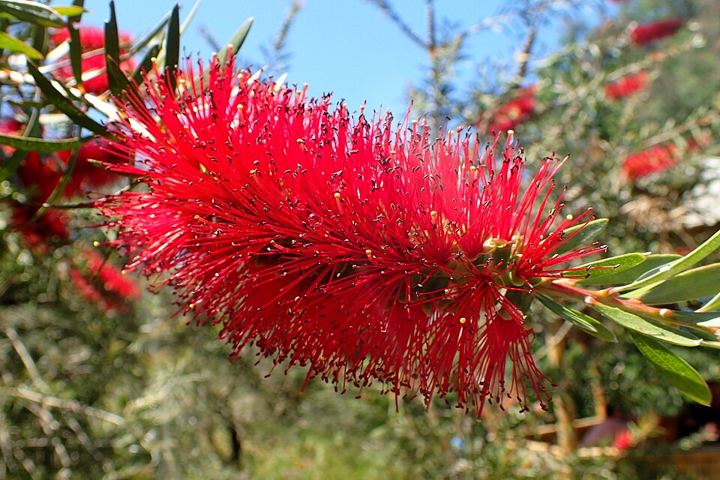 Stiff bottlebrushCallistemon rigidus
A species of moist places and moderately fertile soil. Can be grown in the low and middle zones of the islands.
Photo: Krzysztof Ziarnek, Kenraiz, CC BY-SA 4.0
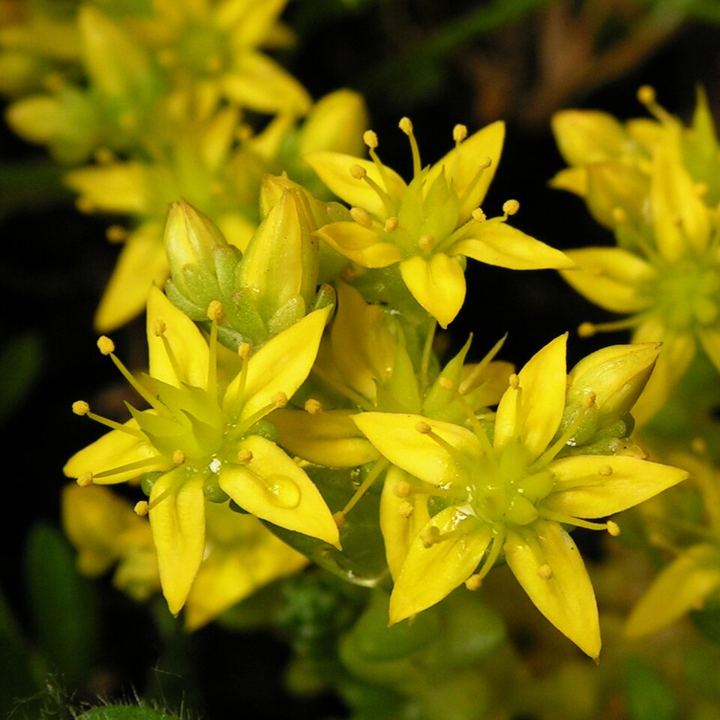
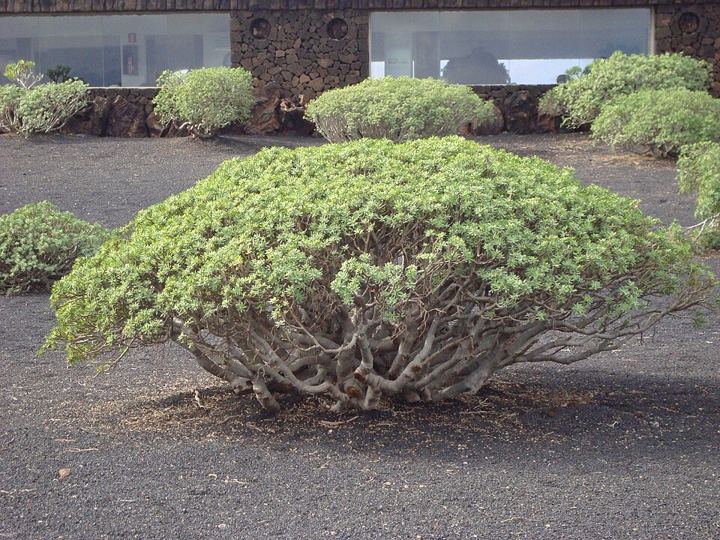 Sweet spurge (tabaiba dulce)Euphorbia balsamifera
Stony slopes, lava fields and coastal cliffs in the most arid parts of the southern slope; also in warm spots on the north coast.
Grows in: South coast · North coast
Photo: Canario1, CC BY-SA 4.0
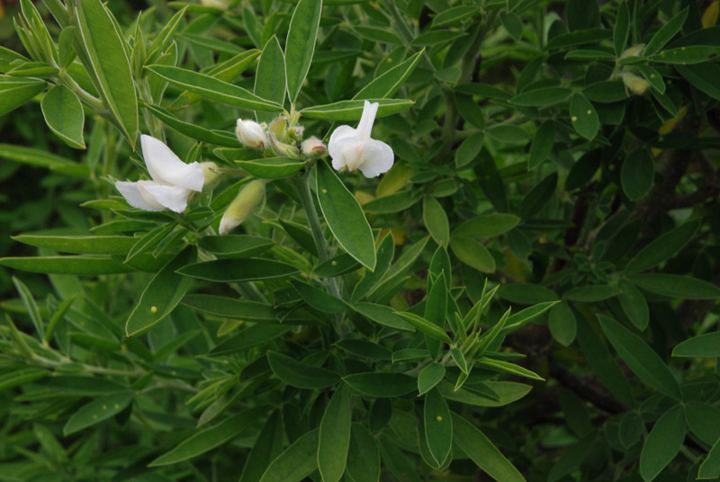 Tagasaste (tree lucerne)Chamaecytisus proliferus
Found at 400–1,800 m on slopes and ravine beds, on fairly recent volcanic soil in the Canary pine belt. Tolerates the acid soil under pine needles.
Photo: Tigerente, CC BY-SA 3.0
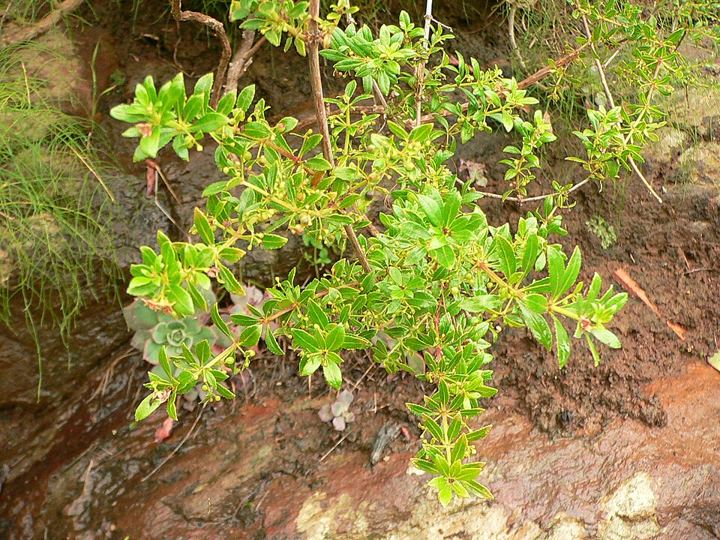 Tasaigo (Rubia fruticosa)Rubia fruticosa
Dry scrub on lava fields, ravines, slopes and cliffs of the lowlands, from 25 to over 1,000 m.
Photo: Marianne Perdomo, CC BY-SA 2.0
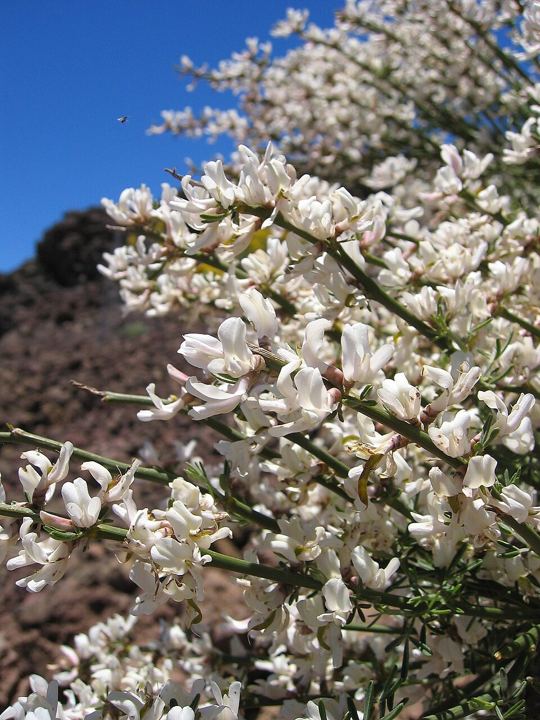 Teide white broomSpartocytisus supranubius
Hardy to -15 °C
Light: sun. Watering: very low. Soil: poor, volcanic.
Grows in: Above 1000 m
Photo: Tigerente, CC BY-SA 3.0
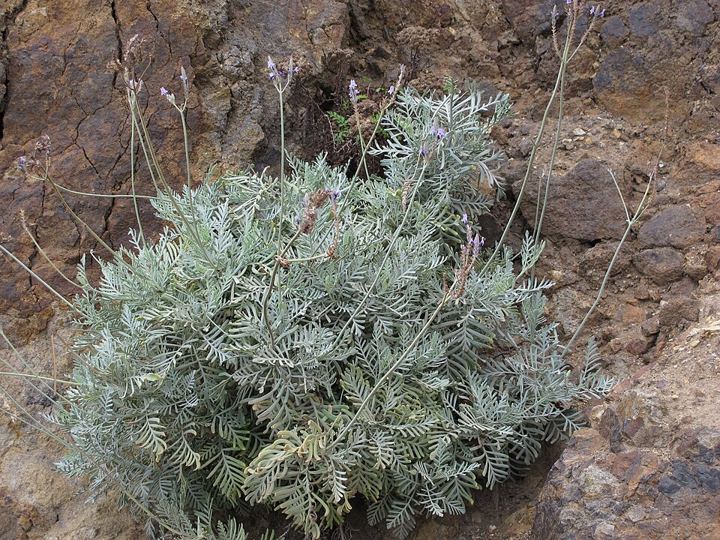 Tenerife lavender (Lavandula buchii)Lavandula buchii
A Tenerife endemic of the old Anaga and Teno massifs, in dry lowland vegetation and thermophilous sites up to 600 m.
Photo: scott.zona, CC BY 2.0
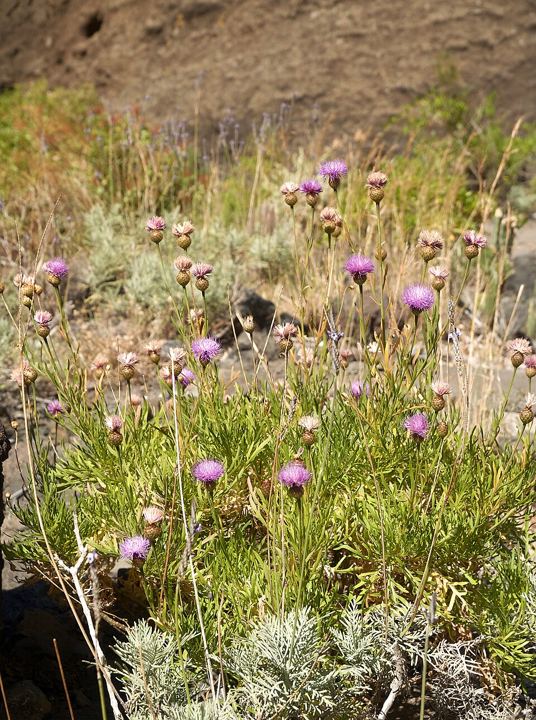 Teno knapweed (Cheirolophus)Cheirolophus canariensis
Endemic to the Teno massif: basalt cliffs and hard-to-reach ledges with some shade.
Grows in: South coast · North coast
Photo: Jörg Hempel, CC BY-SA 3.0 de
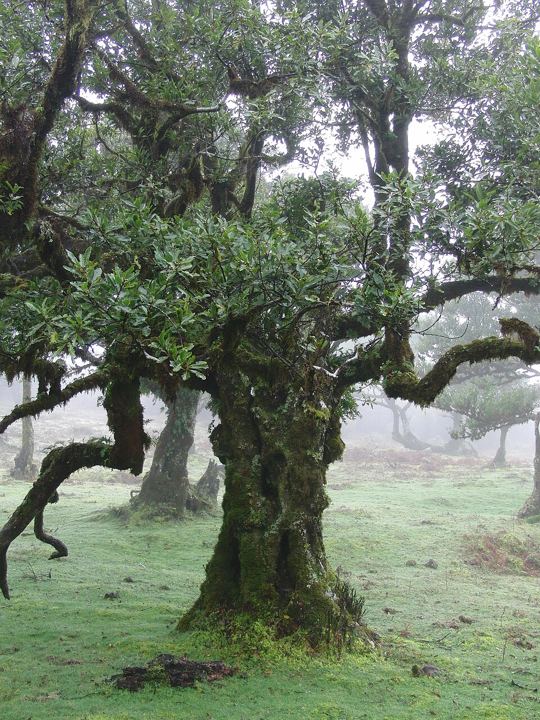 Til (Ocotea foetens)Ocotea foetens
Typical of damp, shady stream beds inside the laurel forest.
Grows in: North, 300–1000 m · Above 1000 m
Photo: G.-U. Tolkiehn, CC BY-SA 3.0
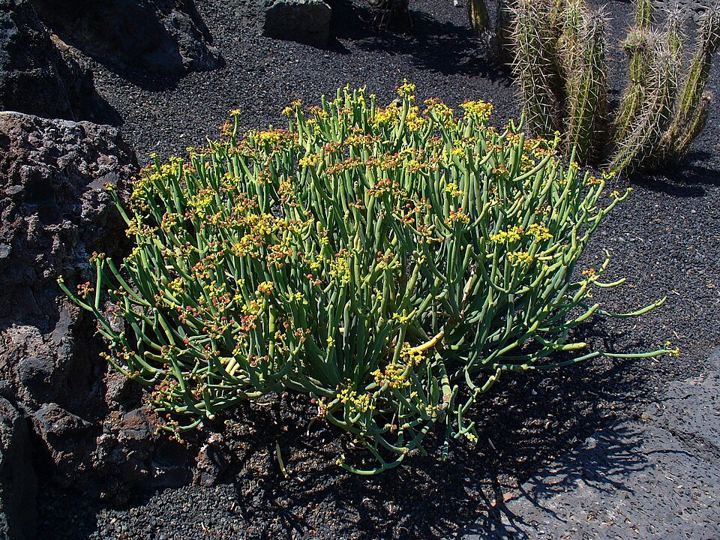 Tolda (Euphorbia aphylla)Euphorbia aphylla
A salt-loving species of rocks and stony slopes near the sea in the north-west of the island.
Grows in: South coast · North coast
Photo: H. Zell, CC BY-SA 3.0
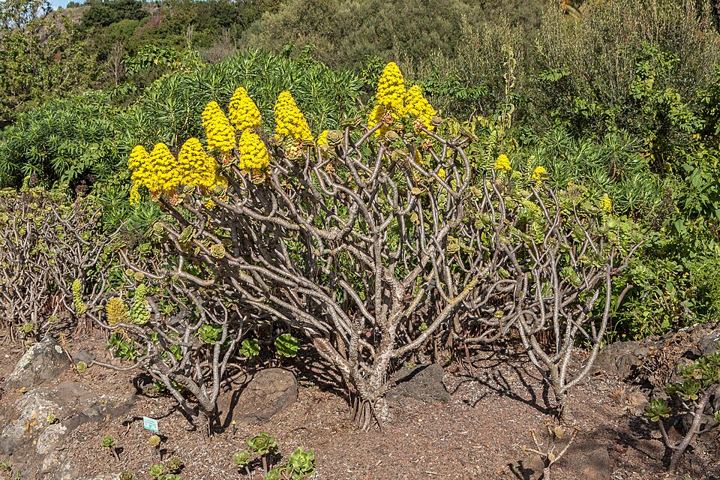 Tree aeoniumAeonium arboreum
Hardy to -2 °C
Light: sun / partial shade. Watering: very low. Soil: any well-drained.
Grows in: North coast · South coast · South, 300–1000 m · North, 300–1000 m
Photo: H. Zell, CC BY-SA 3.0
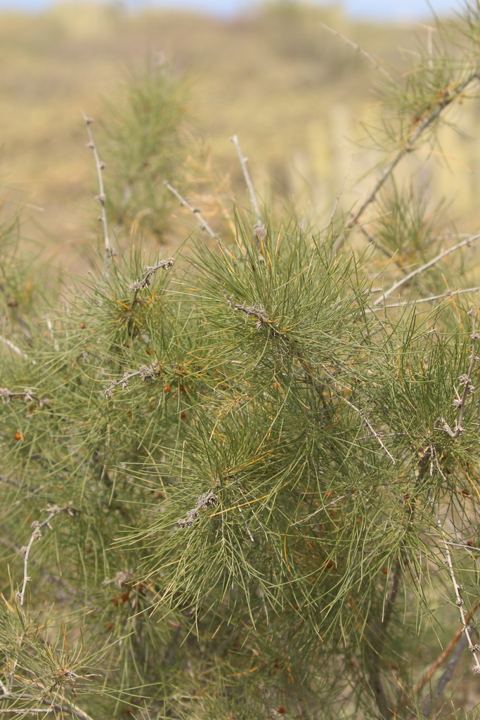 Tree asparagusAsparagus arborescens
Grows in spurge scrub and thermophilous woodland from sea level to 800–1,000 m, best below 400 m. Often shelters among Canary Island spurge.
Photo: iNaturalist, CC0
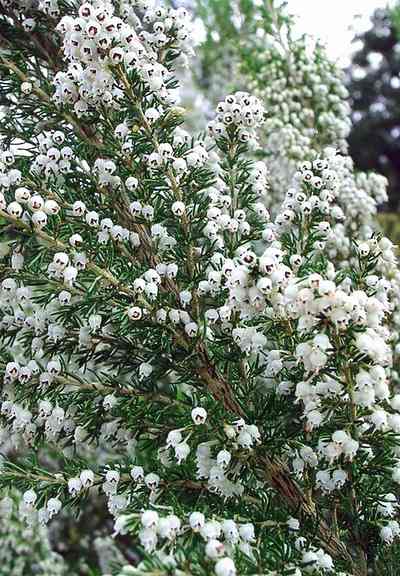 Tree heathErica arborea
A very tough, abundant species of the laurel forest that forms heath where the forest has been degraded. Descends ravines on cool soil and joins the moister pine forests.
Grows in: North coast · South, 300–1000 m · North, 300–1000 m · Above 1000 m
Photo: Wikimedia Commons, CC BY-SA 3.0
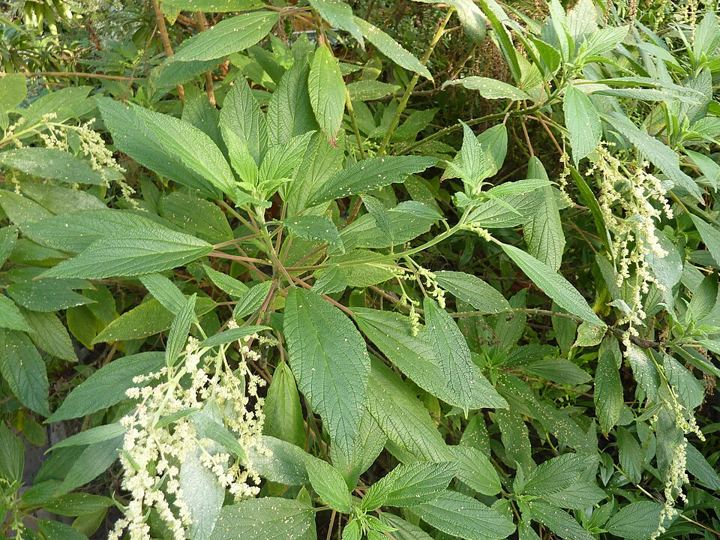 Tree pellitory (estrelladera)Gesnouinia arborea
Cliffs and slopes in the laurel forest belt, in scrub that replaces degraded forest.
Grows in: North, 300–1000 m · Above 1000 m
Photo: James Steakley, CC BY-SA 3.0
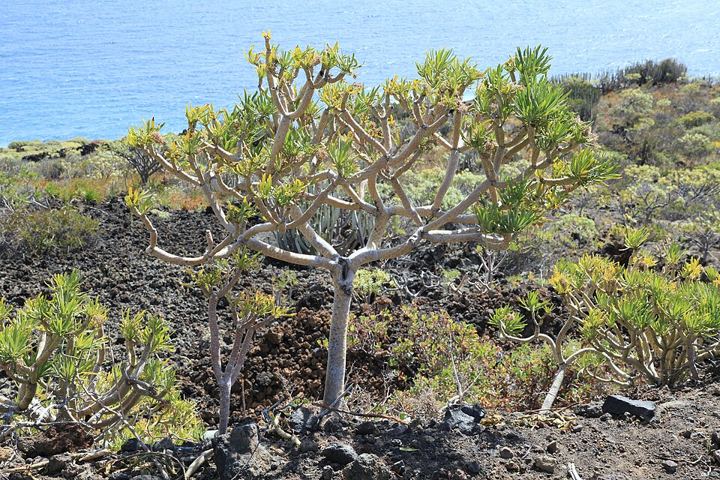 Verode (Kleinia neriifolia)Kleinia neriifolia
Very common in dry lowland scrub, reaching 800–1,000 m on dry sunny slopes. Typical of spurge scrub.
Grows in: South coast · North coast · South, 300–1000 m
Photo: Frank Vincentz, CC BY-SA 3.0
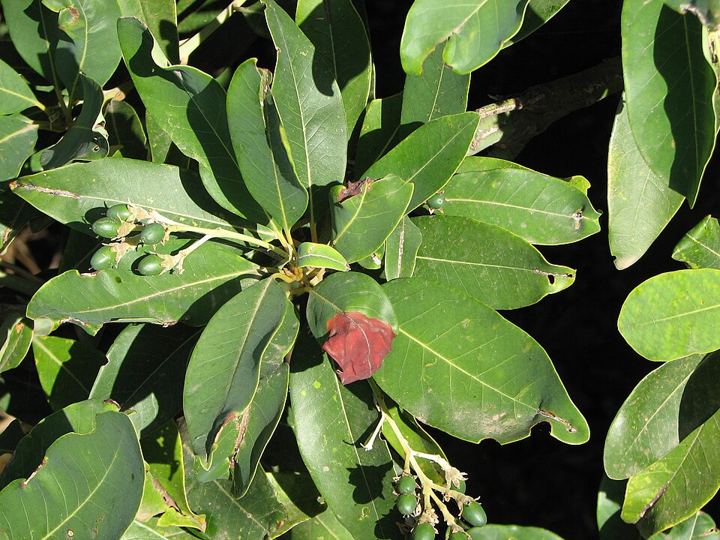 Viñátigo (Persea indica)Persea indica
A characteristic species of the humid laurel forest.
Grows in: North, 300–1000 m · Above 1000 m
Photo: Javier Sanchez Portero, CC BY-SA 3.0
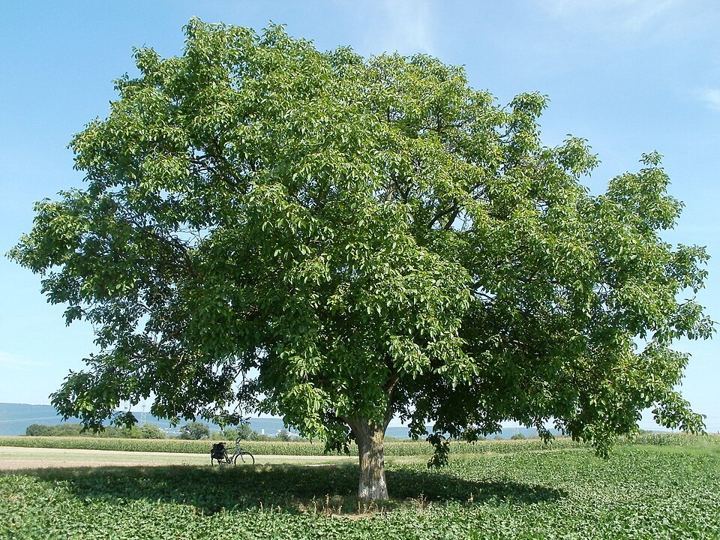
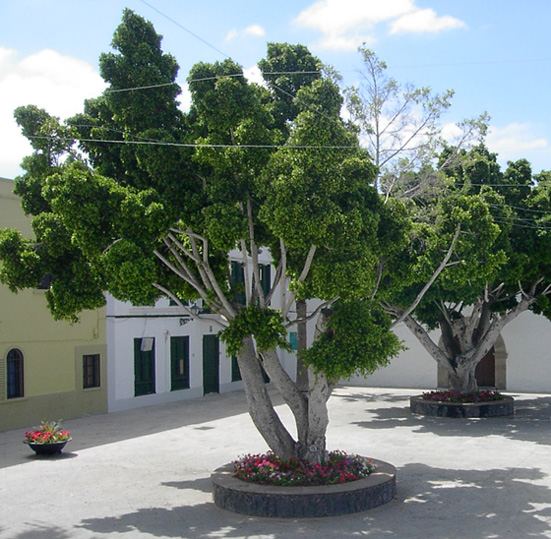 Weeping figFicus benjamina
Warm climates; cannot take frost. Best in partial shade with good light. Any well-drained soil, the richer the better, with plenty of moisture. Not salt tolerant but cope…
Grows in: South coast · North coast · South, 300–1000 m · North, 300–1000 m · Above 1000 m
Photo: Wikimedia Commons, CC BY-SA 3.0
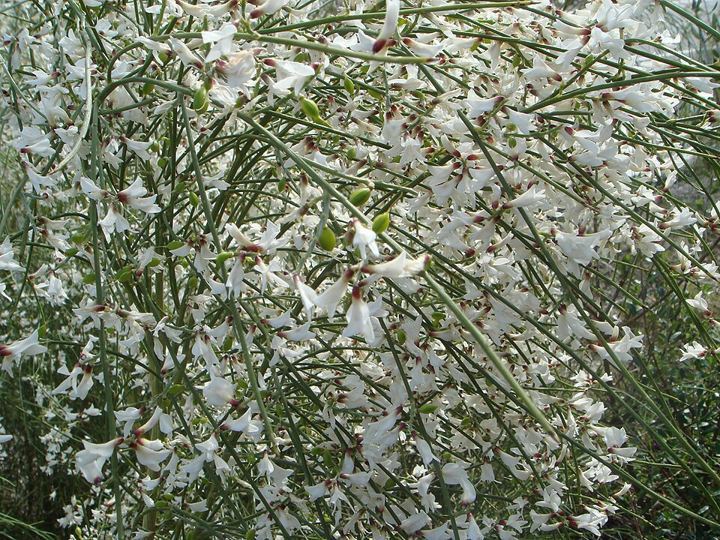 White broom (retama)Retama rhodorhizoides
Rocky ground and dry sunny slopes at 150–1,000 m, sometimes forming dense stands.
Grows in: South coast · North coast · South, 300–1000 m
Photo: Ximenex, CC BY-SA 2.1 es
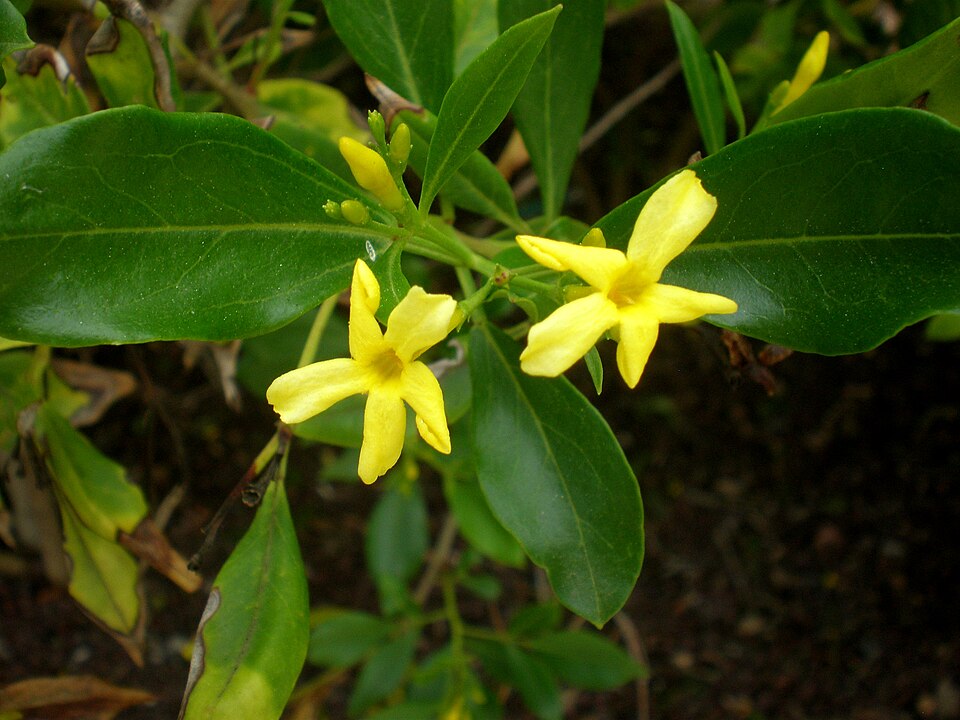 Wild jasmineJasminum odoratissimum
Typical of thermophilous scrub in the low and middle zones up to the edge of the laurel forest, 400–1,000 m.
Grows in: South coast · North coast · South, 300–1000 m · North, 300–1000 m
Photo: Consultaplantas, CC BY-SA 4.0
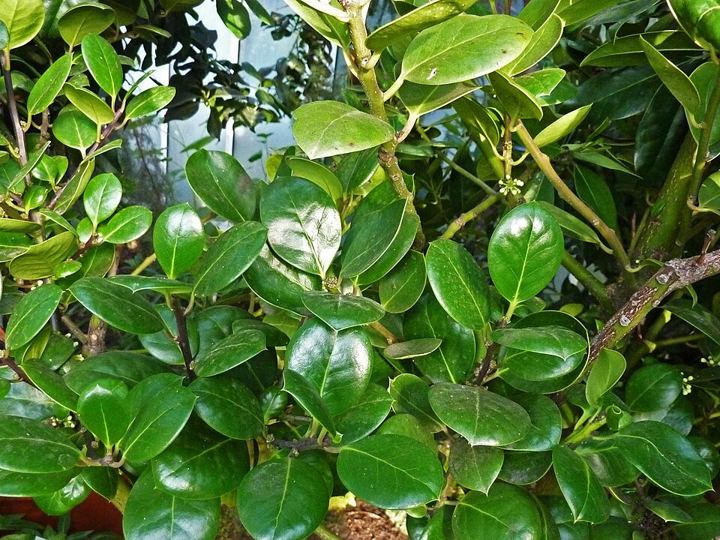 Wild orange holly (Ilex perado)Ilex perado subsp. platyphylla
Typical of the laurel forest, demanding shade and moisture.
Grows in: North, 300–1000 m · Above 1000 m
Photo: James Steakley, CC BY-SA 3.0
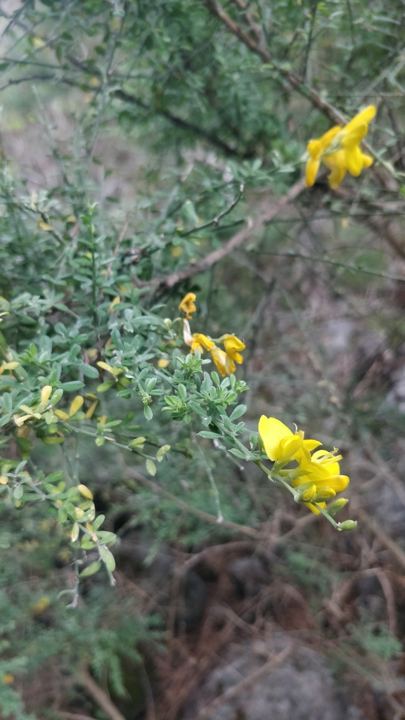 Yellow broom (Teline osyrioides)Teline osyrioides
A cliff species of crags, steep slopes and ravine ledges, mostly north-facing, 400–1,300 m, in the thermophilous woodland belt.
Grows in: South coast · North coast · South, 300–1000 m · North, 300–1000 m
Photo: Ben Jobson (iNaturalist), CC BY 4.0